

- ✓ Open 24 hours, 7 days a week
- ✓ Serving Los Angeles County, Agoura Hills, Alhambra and 86 more areas

Approach smoke-damaged belongings item by item rather than deciding to restore everything or replace everything. Before authorizing cleaning, ask what outcome is proposed for each item, what it would cost, and what would make replacement the better choice. Keep appearance, odor, intended use, and personal significance as separate parts of that decision.
Start with a clear record of what you want assessed
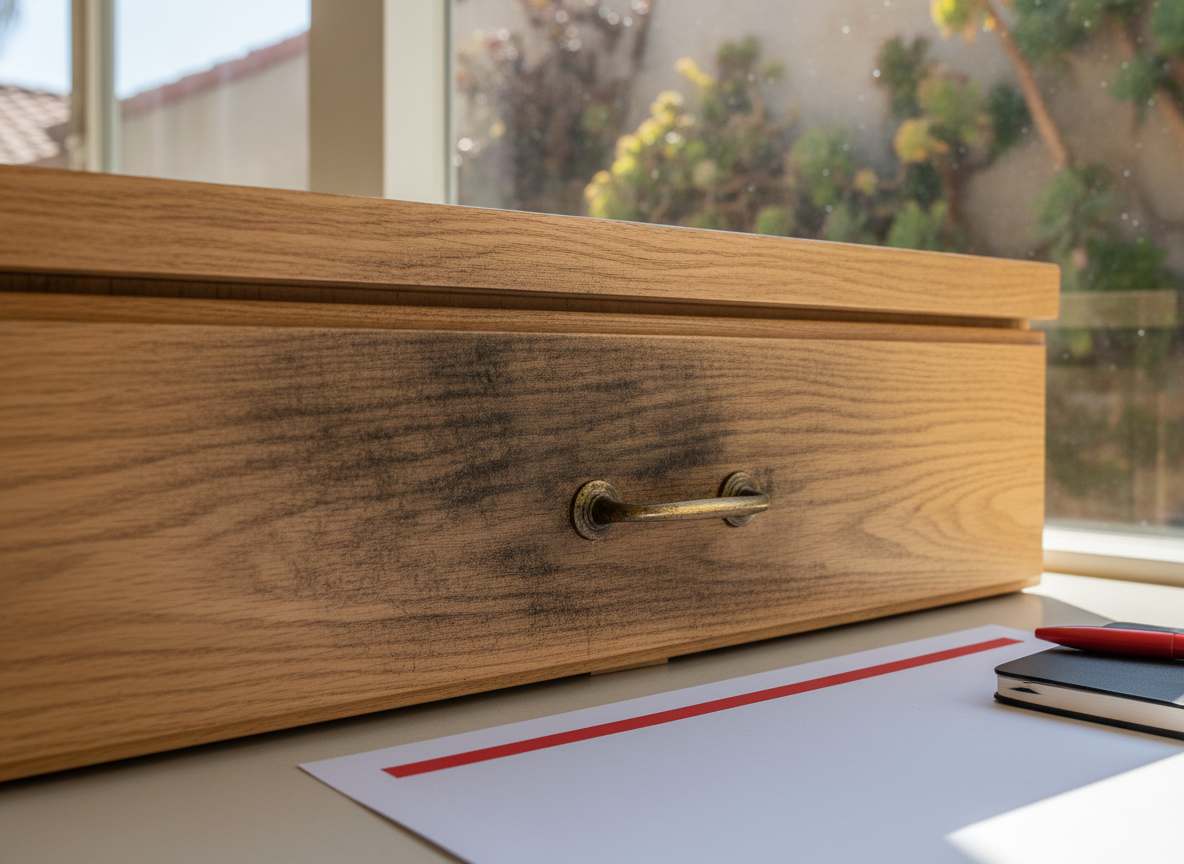
Make a list of the belongings you want to discuss before choosing a course of action. Describe each item, note your concerns, and photograph its current condition. Record visible marks and any odor you notice separately, rather than using “smoke damaged” as the entire description.
Include details you want considered: the item’s ordinary use, any damage that existed before the incident, and whether it has sentimental importance. For a matching set, identify whether you want a recommendation for one piece or the set as a whole.
Keep your observations distinct from your questions. “Dark marks on the front panel” describes what you see; “can the finish be restored?” identifies what you need answered. You do not need to diagnose the damage to prepare a useful record.
Define what a successful restoration would mean
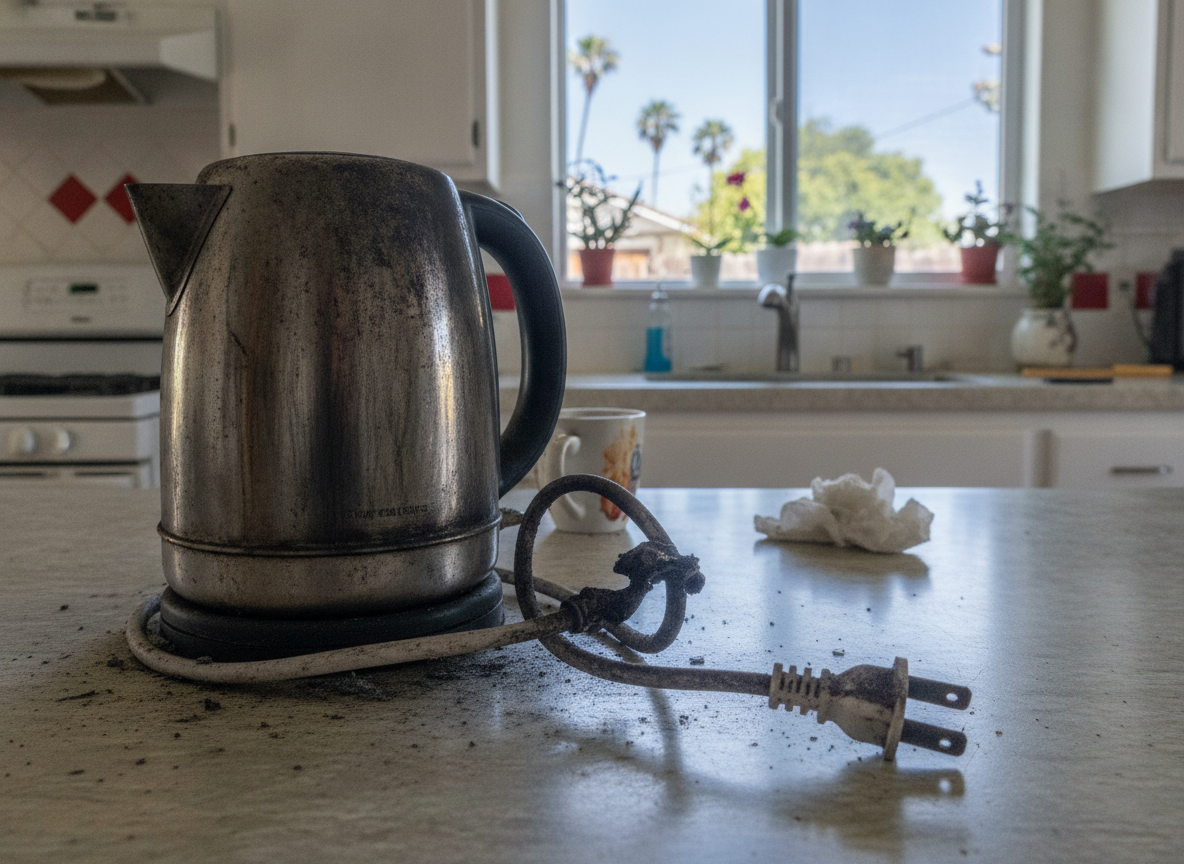
Before comparing restoration with replacement, write down what you would need from the finished result. Are you concerned primarily about visible marks, lingering odor, appearance, or returning the item to its intended use? Ask for each concern to be addressed rather than treating “cleaned” as a complete description of the outcome.
For something you intend to wear, sleep on, prepare food with, or operate electrically, ask specifically about suitability for that use. Do not make appearance your only acceptance criterion. Request an explanation of how the proposed recommendation addresses your intended use and whether any separate evaluation is recommended.
Before agreeing to restoration, ask: “What result are we aiming for, and how will we decide whether that result has been achieved?”
Compare the proposed work with a replacement option
Request an itemized description of the proposed restoration work and its price before making a financial comparison. Ask what the quoted amount includes, what requires separate approval, and what happens if the proposed result is not achieved. Keep those questions separate from whether you personally want to retain the item.
For the replacement side, identify the actual replacement you would choose and obtain its current price. Compare that option with the proposed restoration total, rather than comparing a written quote with a rough guess. Include any separately quoted collection, delivery, or other charges in your comparison.
Set your own spending limit before authorizing work. You might choose one limit for an ordinary replaceable possession and another for an heirloom. Ask to be contacted before that limit is exceeded; do not assume an initial discussion establishes a spending cap.
Give irreplaceable belongings their own decision
Set aside a separate discussion for photographs, keepsakes, gifts, and other belongings you would particularly like to retain. Explain what matters to you about each one. Ask whether the proposed work could change any feature you want preserved and what outcome is being recommended.
Decide what you would be willing to accept before giving approval. Would you want to keep the item only if its appearance meets an agreed standard, or would you consider retaining it for display rather than its previous use? Treat these as questions to resolve, not as assumptions about what restoration will deliver.
Avoid letting sentimental importance become an open-ended authorization. Request a clear scope and spending limit even when replacement is not your preferred option.
Turn the recommendation into an item-by-item decision
Keep the decision record simple enough to use when reviewing a proposal. For each item, work through the same sequence:
State your concern
Record the visible condition, odor you notice, and questions about intended use.
Request a recommendation
Ask whether restoration or replacement is proposed and why.
Review the terms
Check the proposed outcome, price, timing, and approval requirements.
Record your choice
Note what you authorize and which questions must be resolved before proceeding.
If you are not ready to decide, mark the item as awaiting a decision rather than approving work by default. Before arranging disposal, confirm your own decision and check whether anyone else involved needs to review it.
Questions about restoring smoke-damaged belongings
Does a cleaning proposal also address smoke odor?
Ask for odor concerns to be addressed explicitly in the scope. SOS Restoration Of Los Angeles County offers both contents cleaning and restoration and smoke odor removal. When discussing your belongings, explain whether your concern is visible damage, odor, or both, and ask what work is proposed.
Should I approve restoration for everything at once?
Use an item-by-item approval process if you want separate control over the decisions. You can ask for your highest-priority belongings to be discussed first and leave other items undecided until you have reviewed their proposed outcomes and costs.
What should I have ready when I call?
Prepare your item list, photographs, main concerns, and any spending limits you want considered. Highlight irreplaceable belongings and questions about intended use so those points are part of the discussion from the start.
For help with contents cleaning and restoration in Los Angeles County, call SOS Restoration Of Los Angeles County at 323-215-3856.