
Sewage cleanup
When sewage enters your property, cleanup needs to address contamination—not just the water you can see.
- ✓ Open 24 hours, 7 days a week
- ✓ Serving Los Angeles County, Agoura Hills, Alhambra and 86 more areas
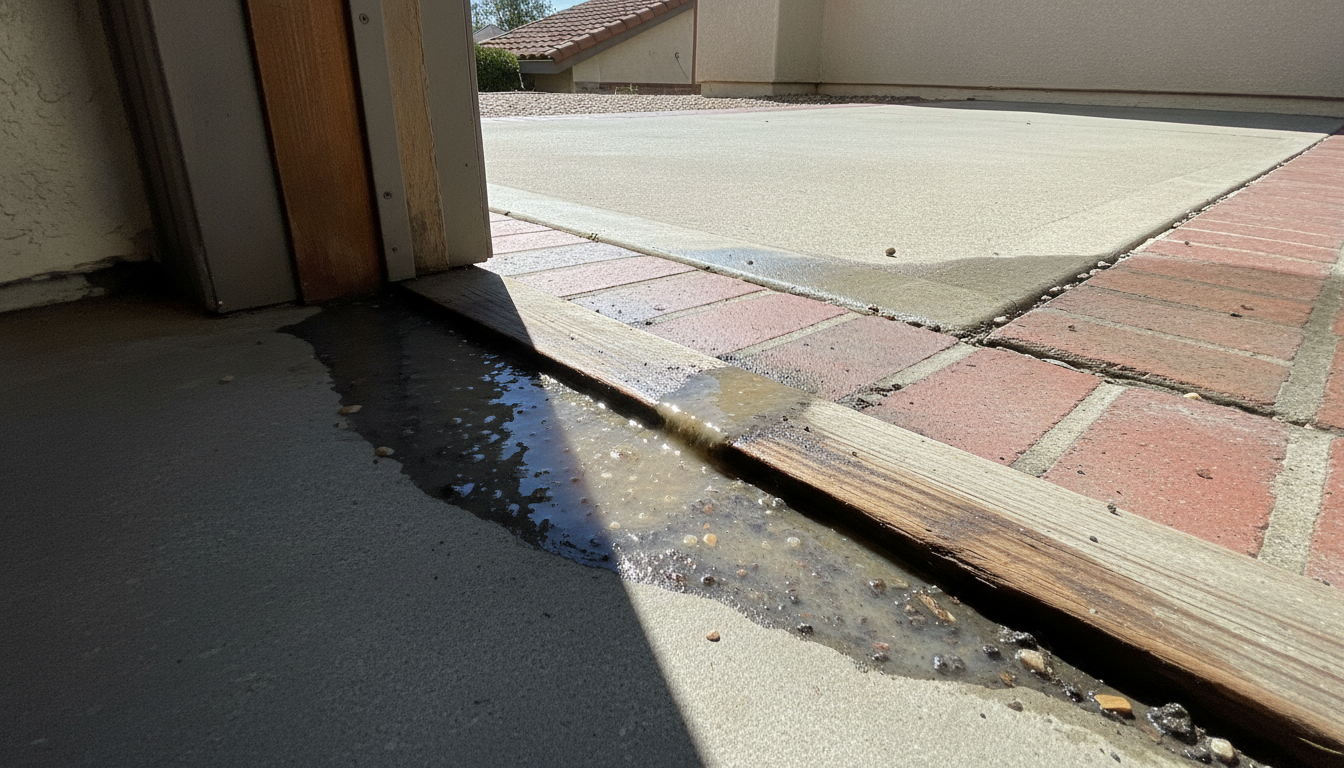
Sewage needs a different approach from ordinary water

Sewage can carry harmful microorganisms and contaminate surfaces, belongings, and building materials. Removing visible water is only part of the work; affected areas also need attention to contamination and remaining moisture.
A sewage cleanup job generally involves removing sewage and contaminated water, addressing affected materials, cleaning suitable surfaces, and drying the area. The exact work depends on where the sewage traveled, what it touched, and whether materials can be cleaned or need to be removed.
Visible water does not show the full extent
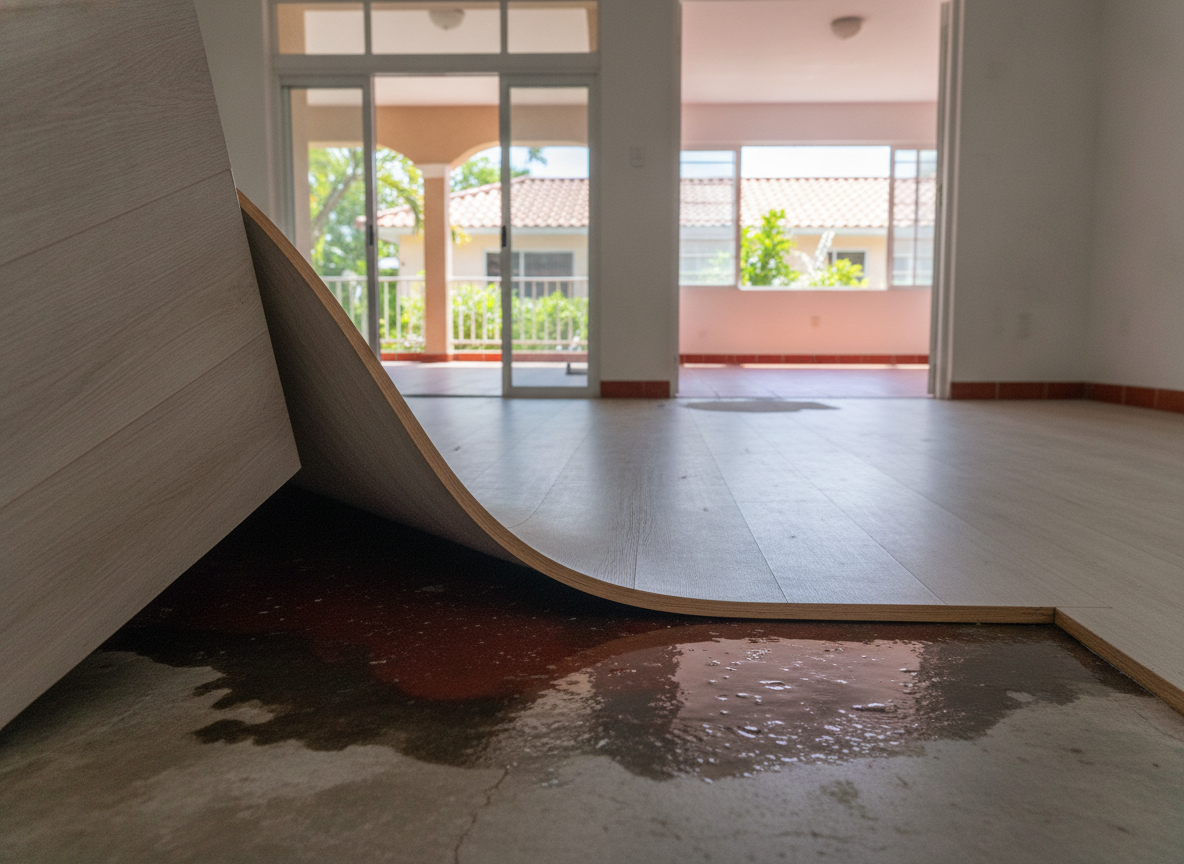
A sewage backup may affect more than the floor around a drain or toilet. Water can spread beneath flooring, reach adjoining spaces, or soak into absorbent materials. A surface that looks dry is not necessarily clean or free of moisture underneath.
If you know or suspect that sewage has entered an area, avoid treating it as a routine spill. Keep people and pets away from the affected space, and avoid walking through it or carrying contaminated belongings into clean rooms.
Avoid using appearance or smell alone to decide whether a sewage-affected area is ready to use again.
The materials affected shape the cleanup
Hard, nonporous surfaces and absorbent materials present different cleanup challenges. Some surfaces may be suitable for cleaning, while porous items can be difficult to decontaminate after contact with sewage. Flooring, wall materials, furnishings, and personal belongings may each require a different decision.
The amount of sewage, how far it spread, and how long materials remained wet can all influence the work. These differences are why a small visible puddle does not necessarily mean a small cleanup, and why an estimate should relate to the affected area rather than floor size alone.
Stopping the source and cleaning up are separate needs
Cleanup addresses the consequences of a sewage incident. The problem that caused the release also needs attention so contamination does not continue or return. A blocked drain, for example, presents a different issue from sewage entering through a wider system backup.
When seeking help, describe whether sewage is still entering, which rooms are affected, and when you first noticed it. Also explain whether water has reached flooring, walls, or belongings. These details help frame the conversation without requiring you to enter an unsafe area to investigate.
Contact SOS Restoration Of Los Angeles County about sewage cleanup
SOS Restoration Of Los Angeles County provides sewage cleanup. If sewage has affected your property, contact the business to discuss that service and describe the situation you are facing.
Before agreeing to work, ask what the proposed cleanup covers, how affected materials will be addressed, and what may need separate attention. A clear scope helps you understand the distinction between removing contamination, addressing moisture, and repairing the source of the problem.
Questions before arranging sewage cleanup
Can I clean sewage up with household products?
Sewage contamination is different from everyday dirt. Household cleaning alone may not address contaminated porous materials or moisture beneath surfaces. Avoid assuming that a visibly clean floor means the entire affected area has been addressed.
How much will sewage cleanup cost?
The cost depends on the extent of contamination, the materials affected, access to the area, and the work required. Ask for an estimate that explains the proposed scope and how changes to that scope would be handled.
How long does sewage cleanup take?
Timing depends on the affected area, the materials involved, and drying needs. Removing visible sewage and completing the overall cleanup are not necessarily the same milestone. Ask what needs to happen before the area can return to use.
Will everything that touched sewage need replacing?
Not necessarily. The answer depends on the material and whether it can be adequately cleaned. Absorbent belongings and building materials can present different challenges from hard, nonporous surfaces.
Discuss your sewage cleanup needs
Contact SOS Restoration Of Los Angeles County at 323-215-3856 to discuss sewage cleanup for your property.