
Asbestos Removal
Before disturbing material that may contain asbestos, make removal planning part of your repair or renovation decisions.
- ✓ Open 24 hours, 7 days a week
- ✓ Serving Los Angeles County, Agoura Hills, Alhambra and 86 more areas
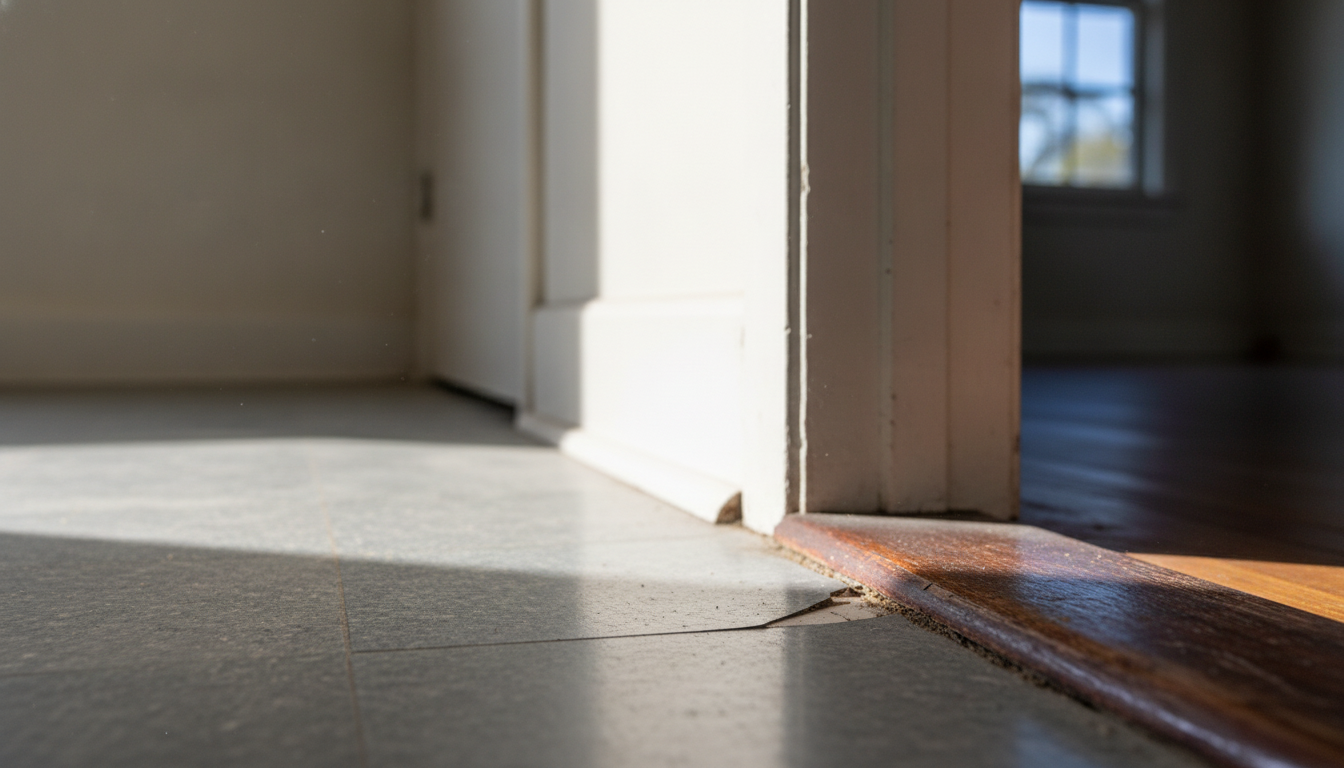
Suspected asbestos needs more than a visual check
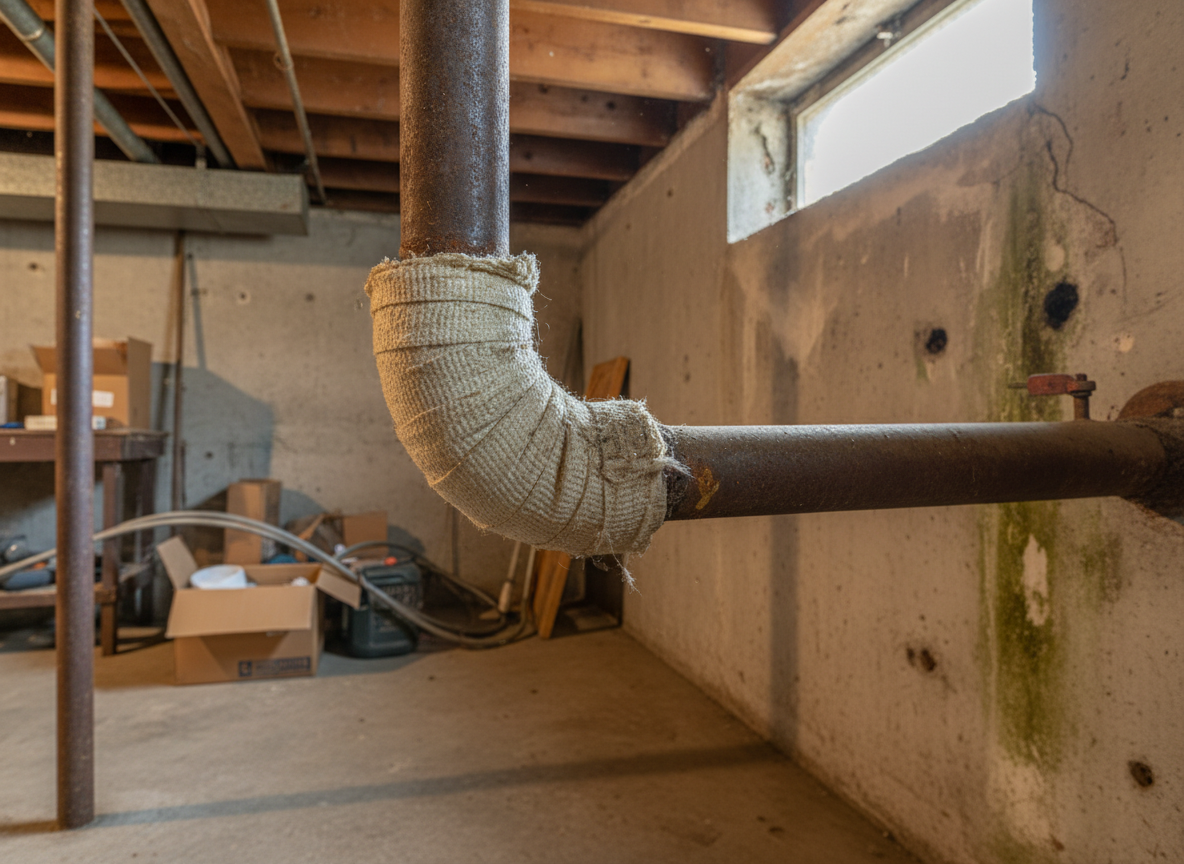
You cannot reliably identify asbestos simply by looking at a material. Older flooring, insulation and other building materials may raise questions, but their appearance alone does not establish whether asbestos is present. Confirmation generally depends on appropriate sampling and laboratory analysis.
Avoid cutting, sanding, drilling or pulling apart suspect material while deciding what to do. Disturbing asbestos-containing material can release fibers into the air. If you already have a report identifying asbestos, keep it available when discussing removal.
Removal depends on the material and planned work
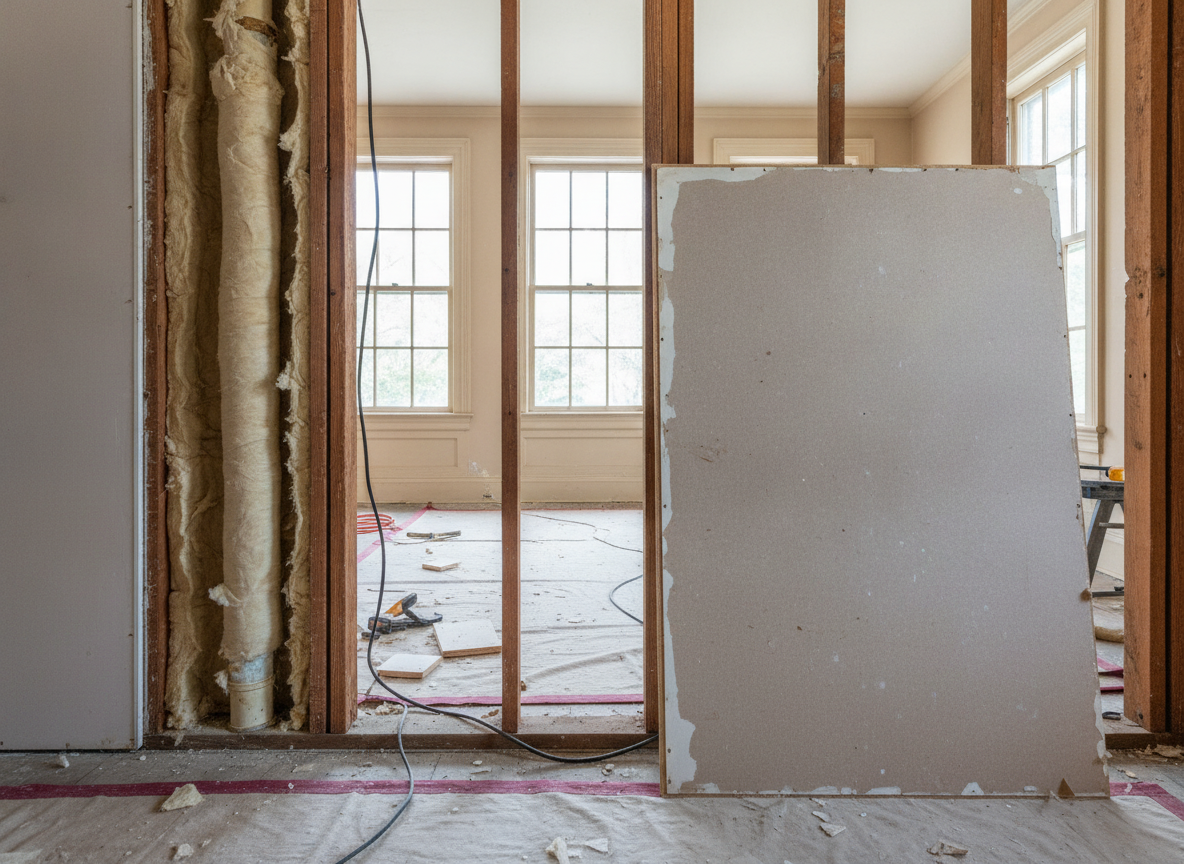
Finding asbestos does not automatically mean every affected material must be removed immediately. Its condition, location and likelihood of disturbance matter. Material that will be affected by demolition or renovation presents a different decision from material that can remain undisturbed.
An asbestos removal project needs a defined scope: which materials are involved, where they are located and what work will affect them. The amount of material, access to the work area and surrounding occupancy can influence how the job is planned. These details are more useful than a description such as “possible asbestos in the building.”
Controlled removal is different from ordinary demolition
Asbestos removal is about managing disturbance, not simply taking material out. Depending on the project, the work can involve isolating the affected area, controlling dust and fibers, carefully removing material, and packaging waste for appropriate handling and disposal.
Cleanup and any required checks also belong in the project discussion. Pulling out visible material is not, by itself, a complete description of the job. Before agreeing to work, ask how the removal area will be managed and what conditions must be met before other activity resumes.
Do not break off a sample or begin removing suspect material yourself to find out what it contains.
Know what you are agreeing to before work begins
A useful scope should make the boundaries of the project understandable. Ask which materials and areas are included, what preparation is needed, and whether access restrictions could affect occupants or other contractors.
Cost and timing depend on the actual scope rather than the service name alone. Ask for clarity about waste handling, cleanup, any applicable testing or clearance requirements, and exclusions. These questions help you compare proposals without assuming that two similarly named jobs include the same work.
Discuss your removal needs with SOS Restoration Of Los Angeles County
SOS Restoration Of Los Angeles County provides asbestos removal. If you are planning work around identified or suspected asbestos, contact the business to discuss that specific service.
Bring together any existing reports, the location of the material and a description of your planned repairs or renovation. Explain whether anything has already been disturbed. That gives the conversation a concrete starting point and helps you identify the questions that need answering before removal proceeds.
Questions before arranging asbestos removal
Can you tell whether a material contains asbestos by looking at it?
Appearance alone is not reliable confirmation. Appropriate sampling and laboratory analysis are generally needed to establish whether a suspect material contains asbestos. Avoid disturbing it while seeking guidance.
Does all asbestos have to be removed?
Not necessarily. The material’s condition and the likelihood of disturbance affect that decision. Planned renovation or demolition can change what needs to be addressed.
Can I stay in the building during removal?
That depends on the work area, scope and controls needed. Ask about occupancy and access restrictions before scheduling the project rather than assuming normal use can continue.
What should I have ready when I contact you?
Gather existing asbestos reports, the material’s location and details of any planned work or previous disturbance. Do not disturb material to gather additional information.
Contact us about asbestos removal
Call SOS Restoration Of Los Angeles County at 323-215-3856 or use the contact form to discuss your asbestos removal needs before work begins.