
Structural Drying
When water leaves building materials damp, structural drying addresses moisture that may remain after the visible water is gone.
- ✓ Open 24 hours, 7 days a week
- ✓ Serving Los Angeles County, Agoura Hills, Alhambra and 86 more areas

A dry-looking surface may not tell the whole story
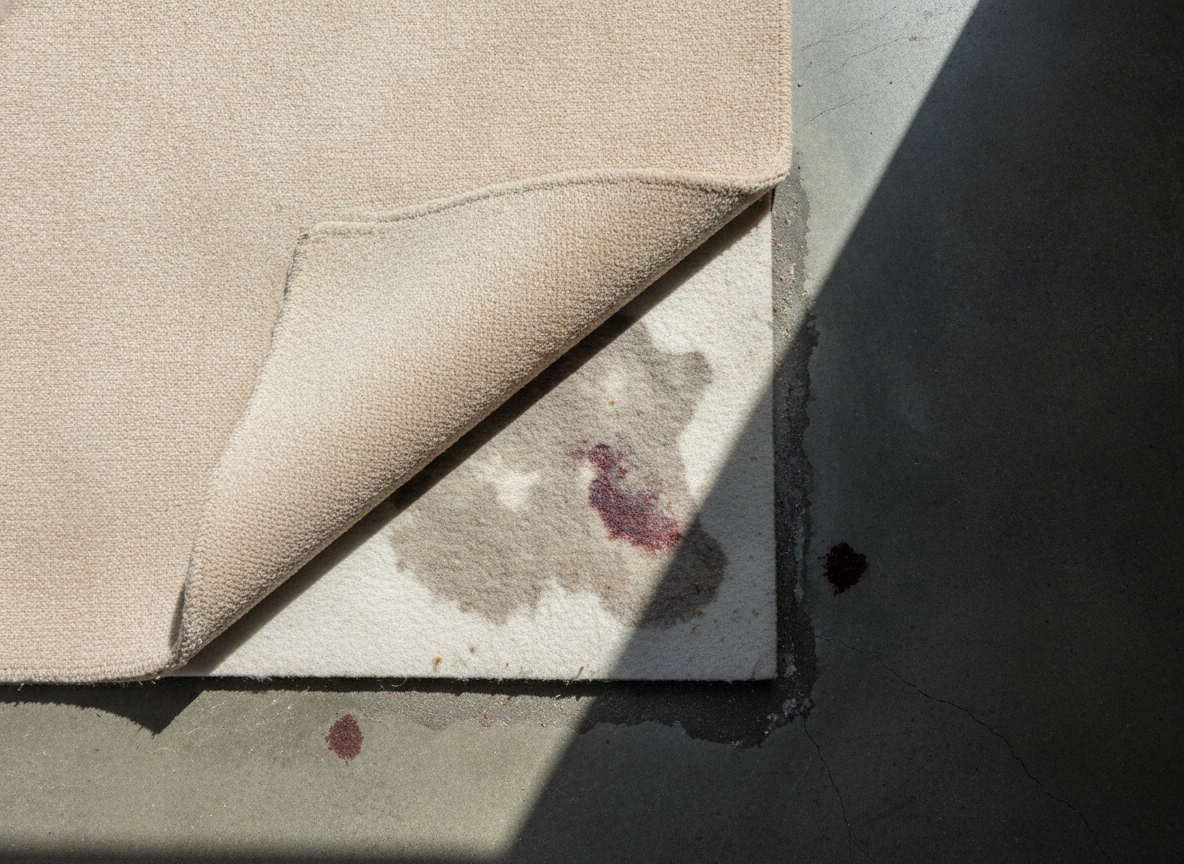
Water can move into flooring, walls and other building materials. Wiping up a wet surface does not necessarily remove moisture held beneath it or within adjoining materials. That makes appearance alone a limited guide to whether an affected area has dried.
Structural drying focuses on moisture in the building itself. The aim is to bring affected materials toward an appropriate dry condition, rather than simply making a room feel less damp. What that requires depends on where the water went, the materials involved and how accessible they are.
When structural drying is worth discussing
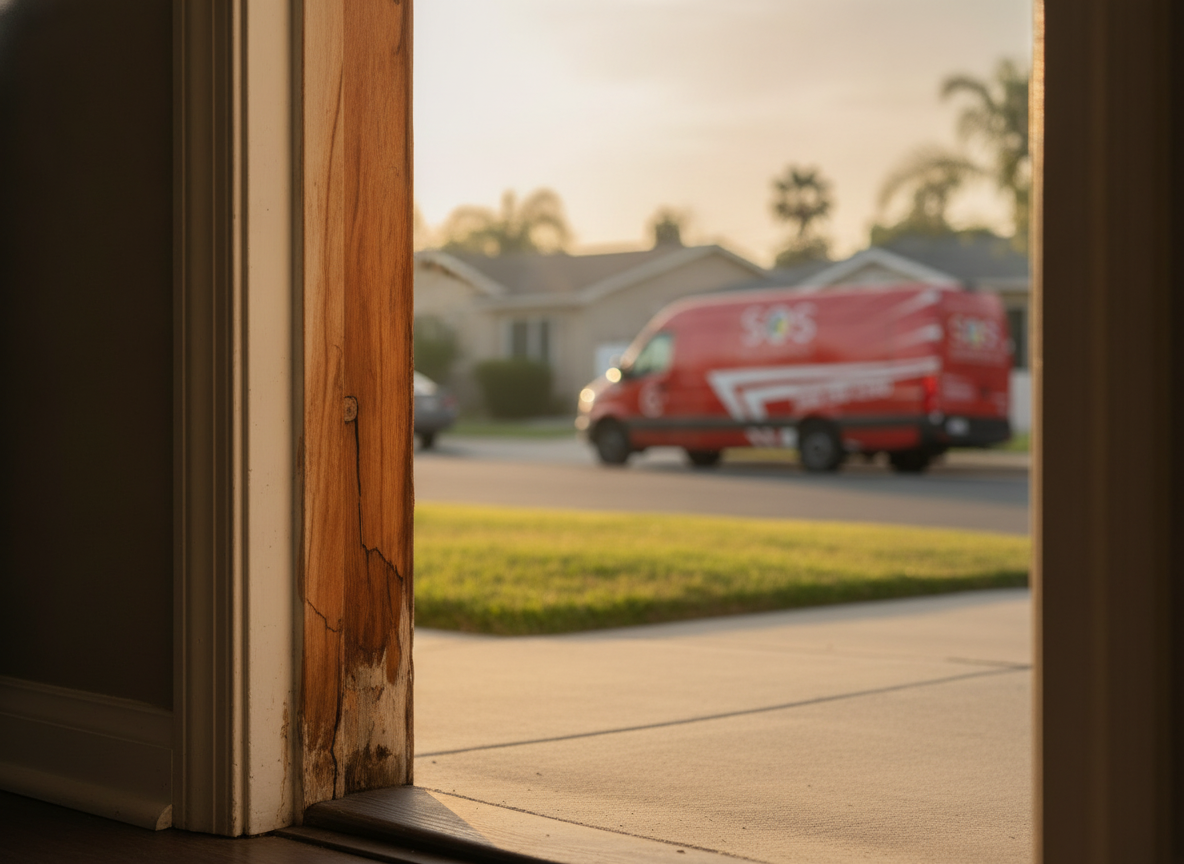
If building materials remain damp after a water incident, ask about structural drying. Visible staining, changes in flooring or a persistent damp smell can be reasons to investigate, but none of these tells you the full extent of moisture on its own.
You do not need to determine the drying requirements yourself before making contact. Describe what happened, which areas appear affected and whether water is still entering. Those details provide a starting point for discussing the work without assuming every wet area needs the same approach.
Drying depends on materials, access and conditions
Different materials absorb and release moisture differently. An exposed surface may dry more readily than moisture enclosed beneath flooring or behind a wall. Room conditions and the extent of wetting also influence how drying progresses.
In general, structural drying can involve moving air across affected surfaces and managing humidity so that evaporated moisture can be removed from the air. Moisture measurements help distinguish between something that feels dry and something that has reached a suitable drying target.
Not every affected material can necessarily be dried in place. Its condition, accessibility and the nature of the water exposure can affect that decision. Before authorizing work, ask which materials the proposed drying approach addresses and whether any areas need further evaluation.
Know what the proposed work will cover
A useful drying discussion should connect the affected areas with the work being proposed. Ask how moisture will be evaluated, what access may be needed and how progress will be checked. These questions help you understand the scope rather than judge the job solely by how much equipment is present.
Also ask what you may need to do while drying is underway. Access arrangements and any instructions about the affected space should be clear before work begins. Avoid assuming that a fixed number of days will suit every property or every material.
Structural drying from SOS Restoration Of Los Angeles County
SOS Restoration Of Los Angeles County offers structural drying. If moisture in your building is the concern, contact the business to discuss this service and the areas affected.
Use that conversation to explain your situation and ask about the proposed scope, timing and cost. Understanding those details gives you a clearer basis for deciding how to proceed.
Questions before arranging structural drying
Is removing visible water enough?
Not always. Moisture can remain within building materials after visible water has been removed. Whether further drying is needed depends on the condition of the affected materials, not appearance alone.
How long does structural drying take?
There is no single duration that fits every job. The materials, amount of moisture, access and drying conditions all matter. Ask how progress will be evaluated and how timing will be discussed as the work proceeds.
Can every wet material be kept?
Drying does not guarantee that every material can be retained. Its condition and the nature of its exposure matter. Ask which materials are included in the proposed drying work and which may require a different decision.
What will the work cost?
Ask for pricing based on the proposed scope. Make sure you understand which areas and activities are included, along with how any changes to that scope would be handled.
Discuss the moisture affecting your building
Contact SOS Restoration Of Los Angeles County to discuss structural drying, describe the affected areas and ask about the next step for your property.