
Emergency Board-Up
When damage leaves an opening in your property, emergency board-up can provide a temporary barrier while you plan the next step.
- ✓ Open 24 hours, 7 days a week
- ✓ Serving Los Angeles County, Agoura Hills, Alhambra and 86 more areas

An exposed opening needs attention before permanent repairs
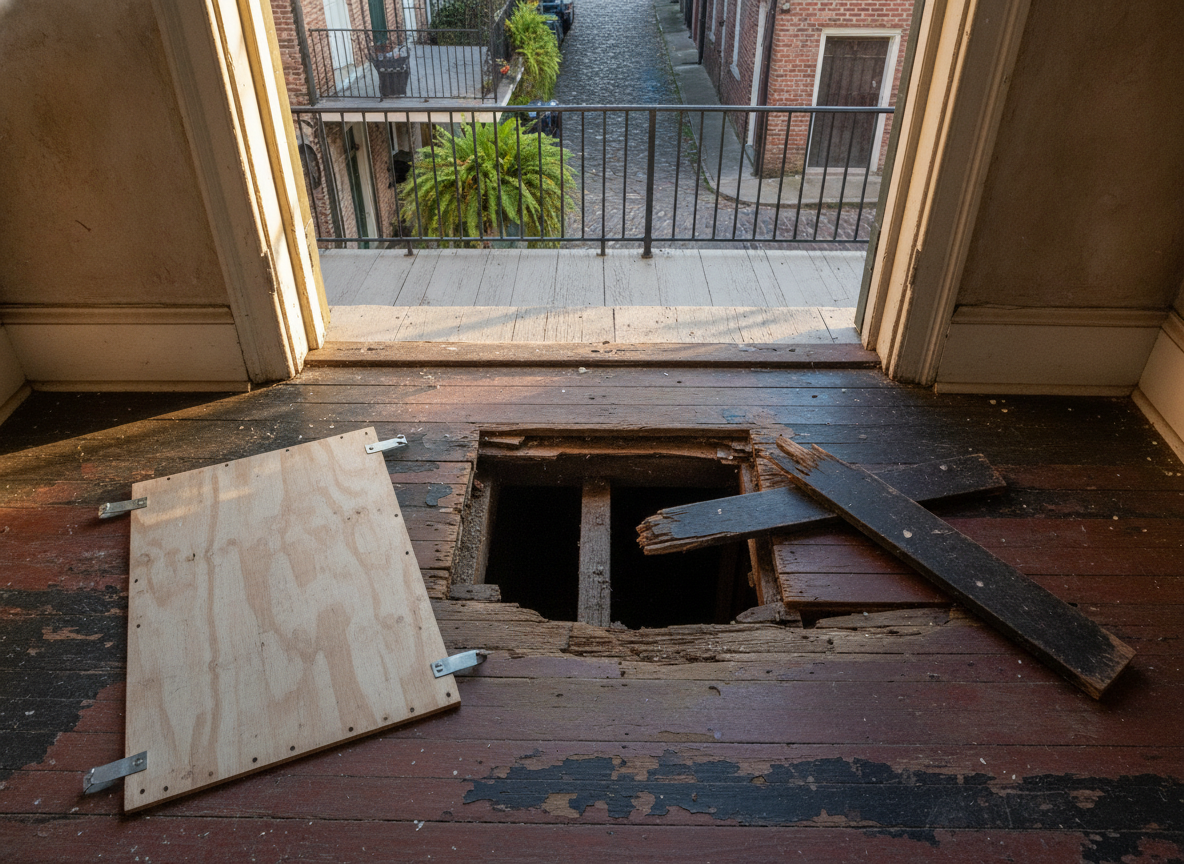
A broken window, damaged doorway or other opening can leave part of a building exposed. Emergency board-up is a temporary measure that covers an opening rather than restoring the damaged component itself. Its purpose is to reduce exposure while decisions about repair or replacement are made.
The distinction matters when deciding what to arrange. Covering an opening is not the same as repairing a window, rebuilding a doorway or confirming that a damaged structure is safe to enter. Think of board-up as an interim step, with permanent repairs addressed separately.
The opening and surrounding structure determine the approach

Board-up work generally involves fitting rigid covering material over an exposed opening and securing it to suitable surrounding surfaces. The dimensions, location and condition of that opening affect how the work can be approached. An accessible window opening presents different considerations from an opening above ground level or one surrounded by damaged material.
The surrounding structure matters as much as the visible gap. A covering needs an appropriate attachment point; damaged or unstable surfaces can complicate that task. Access routes, nearby hazards and whether the area can be approached safely also need consideration. These are reasons to describe the whole situation when requesting service, not just the size of the broken section.
Decide whether temporary protection matches your immediate need
Board-up may be appropriate when damage has created an opening and permanent replacement cannot happen immediately. The immediate question is whether the property needs a temporary physical barrier while the next stage is arranged.
It is also important to distinguish an exposed opening from a broader emergency. If there is an immediate danger, keep away from the affected area and contact the appropriate emergency authorities. Do not enter an unsafe space or approach unstable material simply to measure an opening or take a photograph.
Board-up is temporary protection, not a declaration that a damaged building is safe to occupy.
A clear description helps frame the service request
Before contacting a provider, gather only the details you can obtain safely. Useful information includes where the opening is, what appears damaged, whether there are multiple openings and whether access is restricted. Photographs taken from a safe location can also help explain the situation.
Describe what you know without trying to diagnose hidden damage. Ask how the proposed board-up relates to the opening you have described, what the work would cover and what would remain for permanent repair. This keeps the immediate request focused and helps distinguish temporary protection from the work that may follow.
Contact a business that offers the service you need
SOS Restoration Of Los Angeles County provides emergency board-up. If temporary protection is your immediate concern, you can contact the business specifically about that service rather than starting with a general restoration request.
Use that conversation to discuss the damaged opening, access conditions and urgency. Before authorizing work, ask about the proposed scope, timing and cost so you understand what you are arranging.
Questions before arranging board-up
Does board-up replace permanent repairs?
No. It is a temporary covering. Repairing or replacing the damaged building component is a separate decision.
How soon should I request it?
If an opening leaves your property exposed, contact a provider promptly to discuss the situation and scheduling. Do not approach an unsafe area while waiting to arrange work.
What affects the price?
In general, the number and size of openings, access conditions and surrounding damage can affect the work required. Ask for pricing tied to your property's circumstances.
What should I explain when I contact you?
Describe the opening, its location, any visible surrounding damage and known access restrictions. Share only information you can gather safely.
Discuss your emergency board-up needs
Contact SOS Restoration Of Los Angeles County at 323-215-3856 or use the contact form to discuss your situation and request emergency board-up service.