
Mold Remediation
If mold keeps appearing or reaches beyond a small surface patch, remediation addresses more than what you can wipe away.
- ✓ Open 24 hours, 7 days a week
- ✓ Serving Los Angeles County, Agoura Hills, Alhambra and 86 more areas
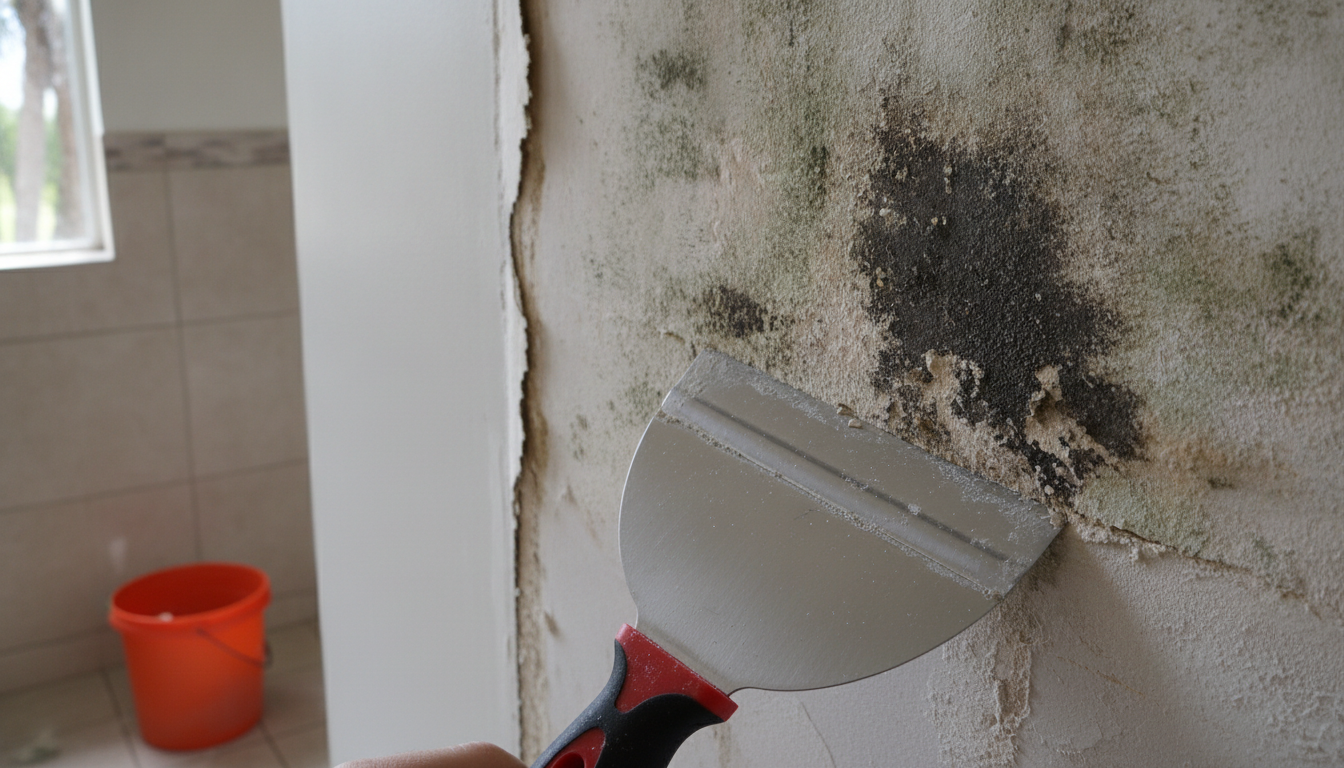
Surface cleaning and remediation are not the same
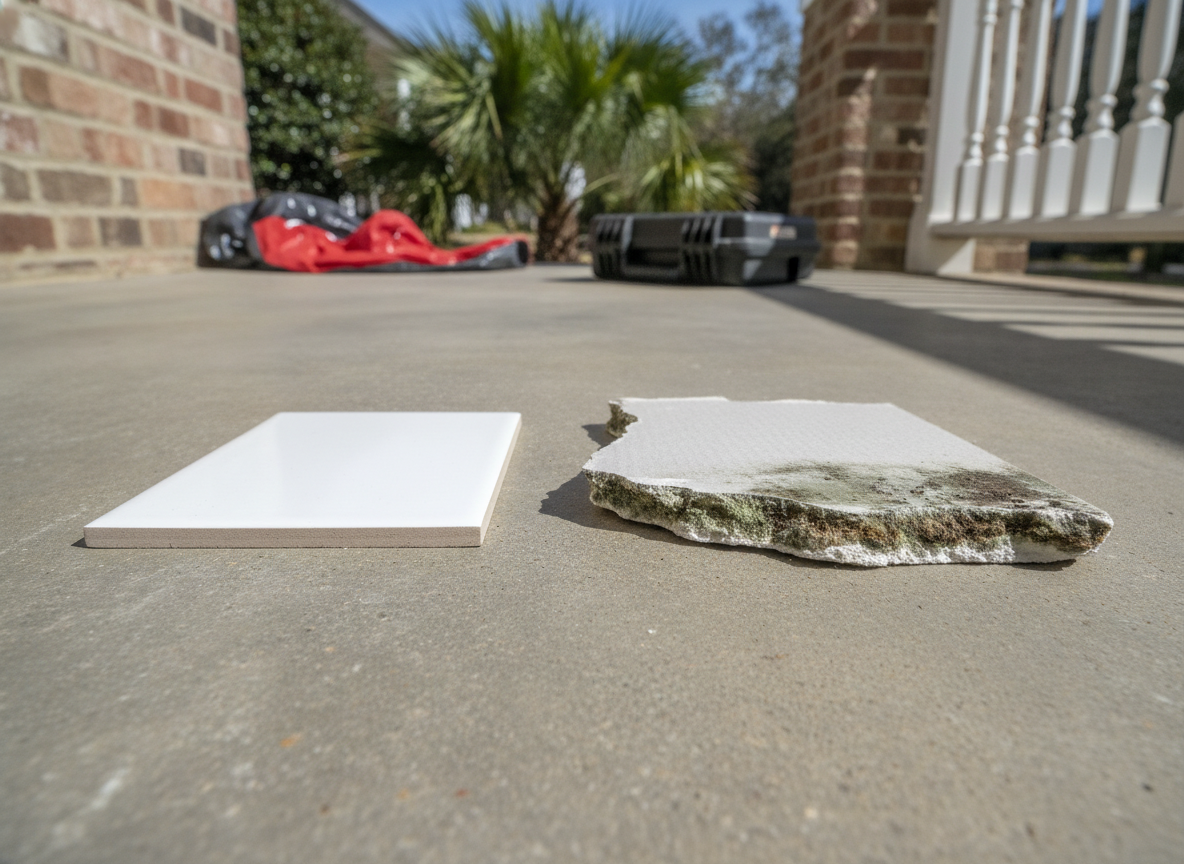
Visible mold can be only part of the problem. The affected material, the amount of growth and the source of moisture all influence what needs attention. Cleaning a surface does not necessarily address growth within a porous material or behind a finish.
Mold remediation focuses on addressing affected materials while limiting the spread of mold during the work. Depending on the situation, that can involve cleaning materials that can be retained and removing materials that cannot reasonably be cleaned. The appropriate approach depends on the conditions—not simply the size of the visible mark.
When a recurring patch deserves closer attention

Mold that returns after cleaning is a reason to look beyond the surface. Persistent dampness, a musty smell or staining near a moisture problem can also warrant further investigation. These signs do not, by themselves, establish how much mold is present or where it extends.
For property owners and people responsible for maintaining a space, the decision is about understanding the problem before covering it up. Painting over a stained area or replacing a finish without addressing the underlying conditions may leave the cause unresolved.
Moisture affects whether the problem returns
Mold growth is tied to moisture. A remediation plan therefore needs to consider both the affected materials and the conditions that allowed growth. Addressing visible mold while leaving a moisture source unresolved can allow the problem to recur.
Before agreeing to work, ask how moisture concerns will be addressed and which responsibilities fall within the proposed scope. Keep the distinction clear between remediation and any separate work needed to correct the moisture source or restore finishes afterward.
A clear scope makes the work easier to understand
The exact sequence varies by property, but these are useful points to clarify when reviewing a remediation proposal:
Affected areas
Establish which rooms, surfaces and materials the proposed work covers.
Work-area boundaries
Ask how the work area will be separated from spaces that remain in use.
Material decisions
Clarify what may be cleaned, what may need removal and how those decisions will be made.
Completion expectations
Agree on what completion means and which repairs or follow-up tasks are separate.
A useful proposal should make these distinctions understandable. It should also explain how a change in scope would be handled if opening an affected area reveals additional damage.
Discuss mold remediation with a business that offers it
SOS Restoration Of Los Angeles County provides mold remediation. Contact the business to discuss the affected space, what you have noticed and whether the issue has returned after earlier cleaning.
You do not need to diagnose hidden conditions before making contact. Describe what you can see, where it appears and any moisture concerns you know about. Use that conversation to ask about the proposed scope and the next steps for your property.
Questions before arranging mold remediation
How much will the work cost?
Cost depends on the extent of the affected area, accessibility, materials involved and the work required. Ask for a written scope and price, including how any additional work would be approved.
How long does remediation take?
There is no single timetable for every mold problem. The extent of the work and the condition of affected materials influence scheduling. Ask about the expected duration and any restrictions on using the space.
Can I stay in the property during the work?
That depends on the location and extent of the work and how it will be separated from occupied areas. Discuss access and occupancy arrangements before work begins rather than assuming every room will remain usable.
Can mold come back after remediation?
It can return if moisture conditions remain or develop again. Understanding and addressing the moisture source is an important part of reducing the chance of recurrence.
Talk about the mold problem at your property
Contact SOS Restoration Of Los Angeles County to discuss mold remediation and ask about next steps. Call 323-215-3856 or use the contact form to describe your concerns.