
Water extraction
When water is standing on your floors, removing it is a practical first step toward addressing the damage and reclaiming your space.
- ✓ Open 24 hours, 7 days a week
- ✓ Serving Los Angeles County, Agoura Hills, Alhambra and 86 more areas

Standing water needs more than surface cleanup
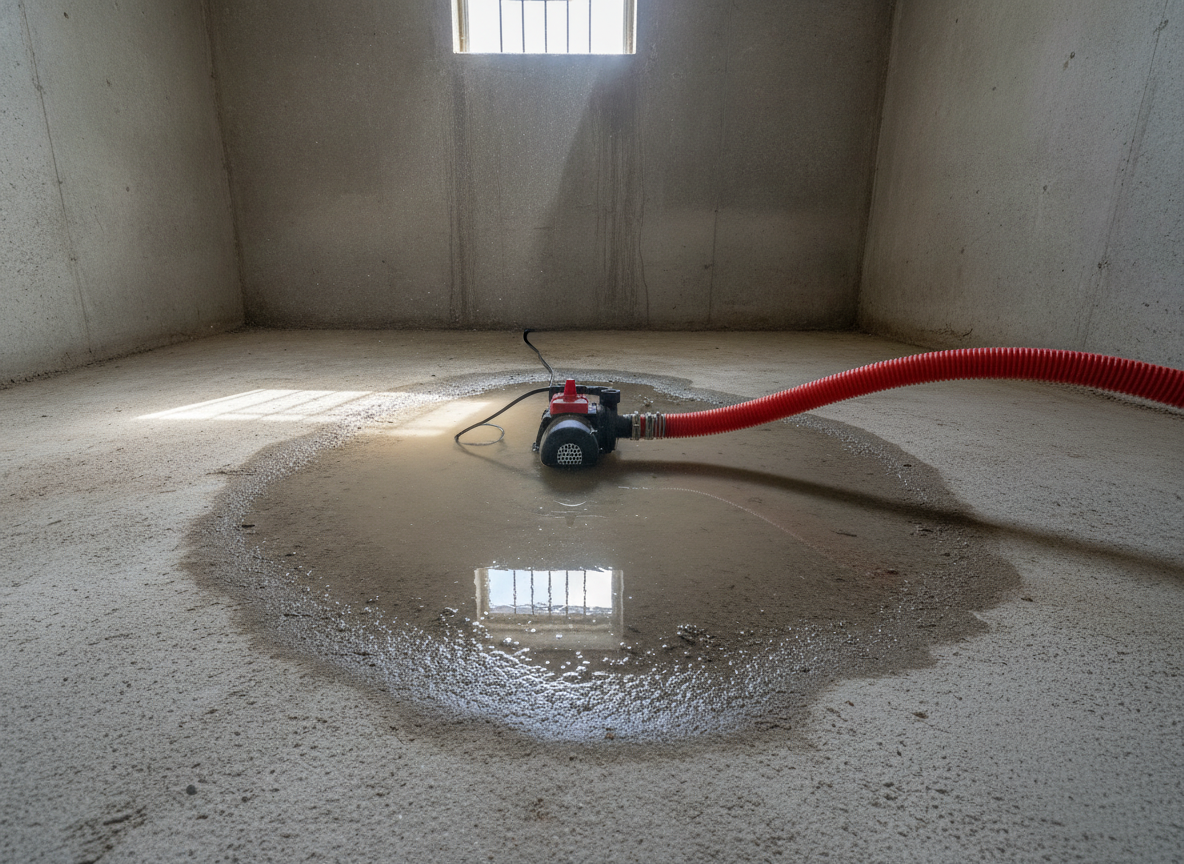
Water extraction means removing accumulated water from an affected space. It focuses on water that can be collected and removed, rather than moisture that remains within materials afterward. Depending on the situation, the work may involve pumps or extraction equipment suited to the amount of water and the surfaces involved.
A small spill that can be wiped up is different from water spread across a room, pooled in low areas, or soaking into floor coverings. If ordinary cleanup is not keeping up with the amount of water, professional extraction is worth discussing. The source of the water and whether it is still entering the space also matter.
The source and affected materials shape the work
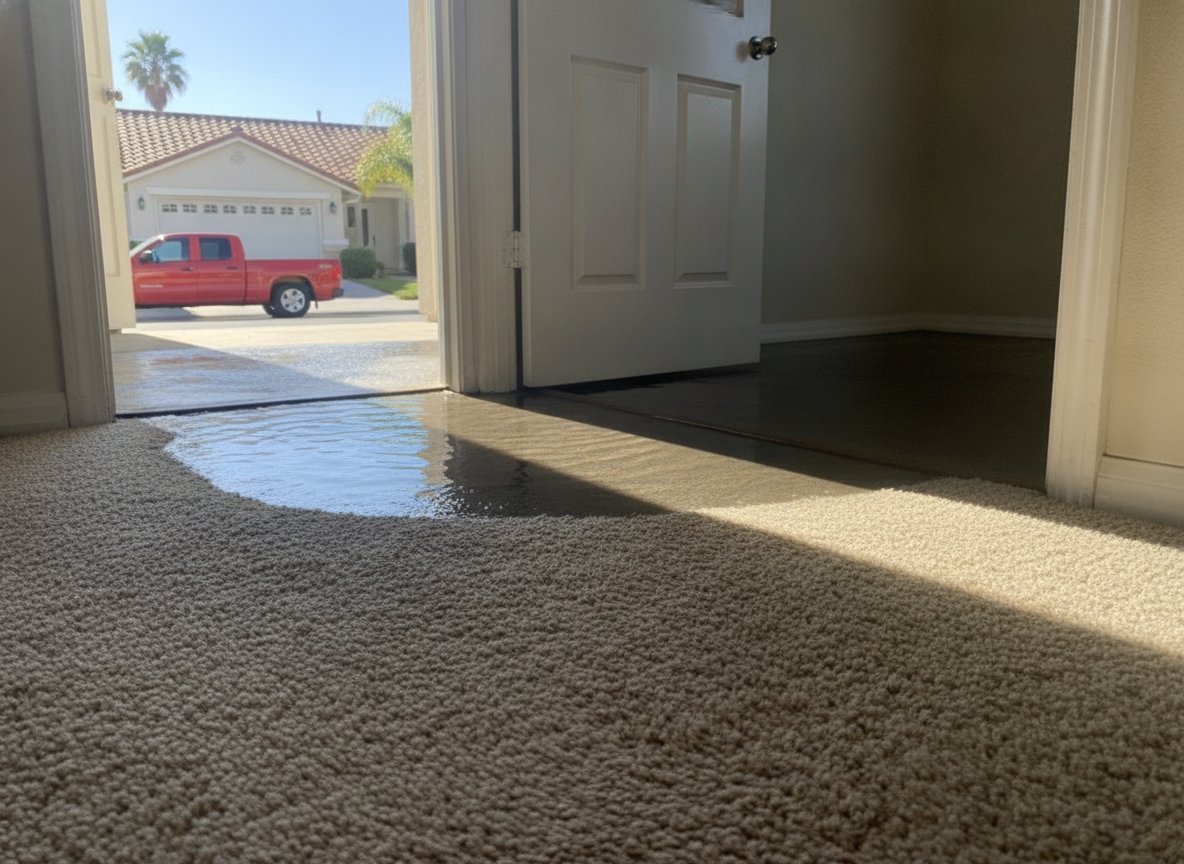
Two rooms with similar amounts of visible water can present different challenges. Water on a hard surface behaves differently from water absorbed into carpet or other porous materials. Access to the affected area, the depth of standing water, and how far it has spread can all influence the scope of extraction.
Water quality matters, too. Water from an unknown source should not be treated as though it were a clean household spill. Avoid walking through standing water when electrical hazards or contamination may be present, and do not enter an unsafe area to gather details for a service inquiry.
Removing visible water is not the same as drying
Extraction addresses accumulated water, but a floor that no longer has puddles may still contain moisture. Floor coverings and surrounding materials can remain wet after visible water has been removed. That distinction matters when deciding what work is needed beyond the initial removal.
SOS Restoration Of Los Angeles County offers water extraction and structural drying. When discussing your situation, ask how the visible water and any remaining moisture should be addressed, rather than assuming that removing puddles completes the work.
A useful first conversation starts with what you can see
You do not need to diagnose the damage before contacting a service provider. Describe the affected rooms, where water is collecting, and whether the source appears to have stopped. Mention the types of flooring involved and any areas you cannot safely access.
If you know when the water appeared, share that information as well. These details help frame the conversation about the work. Avoid making assumptions about what is happening beneath a floor or behind a wall based only on the surface appearance.
Choose a service that matches the immediate problem
If accumulated water is your immediate concern, water extraction is the service to ask about. SOS Restoration Of Los Angeles County provides this service, giving you a direct point of contact for discussing water removal at your property.
Before agreeing to work, ask what the proposed scope includes, what it does not include, and how charges will be explained. A clear discussion should distinguish water removal from any additional work so you can make an informed decision.
Questions before arranging water extraction
Do I need extraction if the water is shallow?
Depth alone does not determine the need. The size of the affected area, the materials involved, and whether water continues to enter are also relevant. Describe the situation when you contact the business.
Will extraction leave everything dry?
Not necessarily. Removing accumulated water does not mean that every affected material is dry. Remaining moisture may require separate attention.
How much will water extraction cost?
Ask for pricing based on your situation and the proposed scope. The amount of water, access, affected surfaces, and extent of the work can influence the cost.
What should I do before help arrives?
Keep people away from unsafe areas. Do not enter standing water where electricity or contamination may be a concern, and avoid moving items if doing so puts you at risk.
Discuss your water extraction needs
Contact SOS Restoration Of Los Angeles County to describe the water affecting your property, ask about availability, and discuss the next step. Call 323-215-3856 or use the contact form to get started.