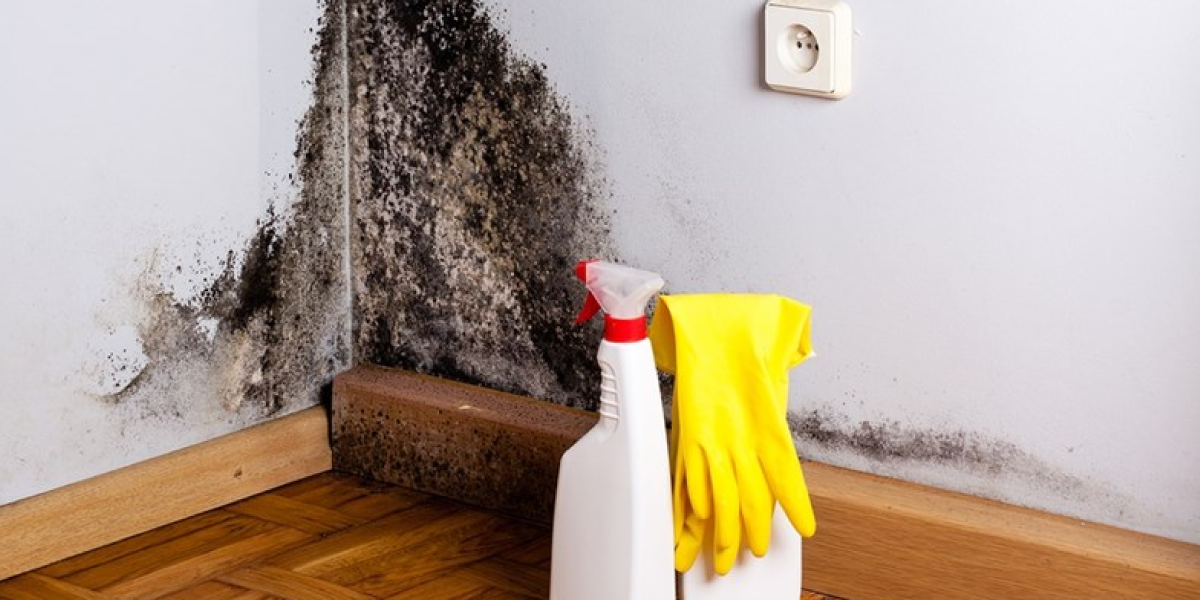
How to Get Paint Out of Concrete: 5 DIY Ways

Let’s say you’ve spilled some paint on your driveway, garage floor, or patio. Maybe it’s fresh, or maybe it’s been sitting there for months. Either way, now you’re stuck wondering how to get paint out of concrete without making it worse or spending a lot.


Here’s the good news. Yes, you can get paint off concrete using simple tools like soap, a scrub brush, vinegar, or a paint remover, depending on the type of paint and how old the stain is. In this guide, we’re going to walk you through every step. 


If you’re into eco-friendly cleaning, doing it yourself for the first time, or just want to know when it’s time to call a pro, we’ll cover everything for you.

First, Can You Really Get Paint Out of Concrete?
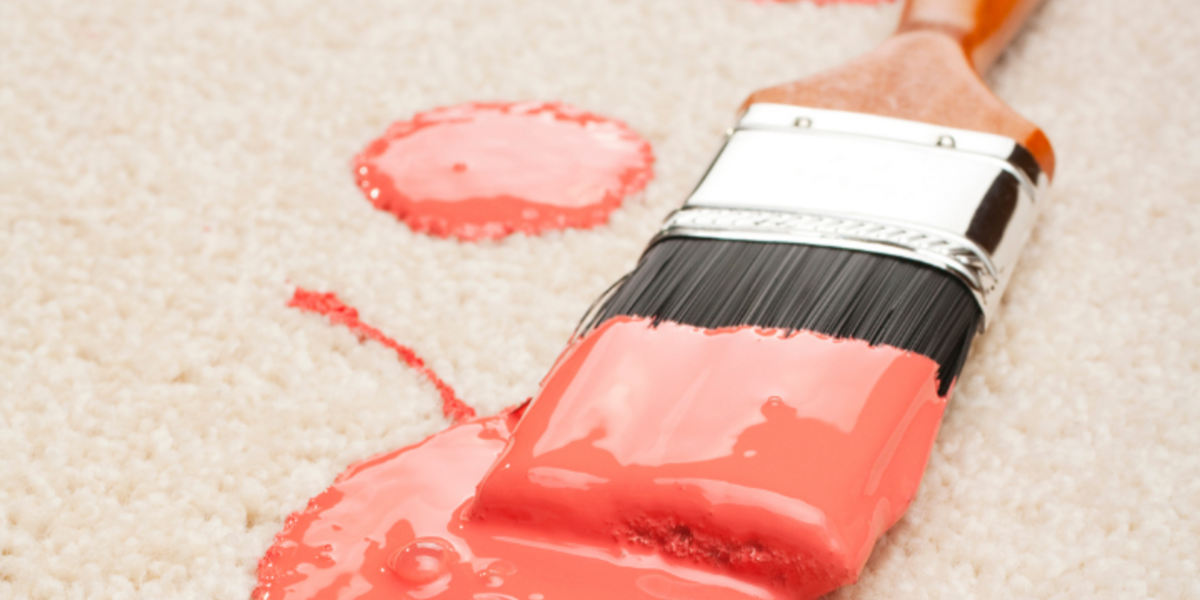
First, Can You Really Get Paint Out of Concrete

Yes, you definitely can get paint out of concrete. It just depends on a few things. Like, how long has the paint been sitting there? Is it one thin layer or multiple thick ones? And what kind of paint is it: oil-based or water-based?


All these little details matter because they decide how easy or hard the job will be. Some stains come off with a simple scrub, while others might need stronger stuff or a bit more time and effort. 


But don’t worry, there’s always a way to handle it.


What Type of Paint is on the Concrete?

Before you start learning how to clean paint off concrete, find out what kind of paint it is.


  • Water-based paint is easier to remove.


  • Oil-based paint takes more effort and stronger products.


  • Spray paint can usually be removed with common cleaners or pressure washing.


Knowing the type helps you choose the right method.


Can Beginners Get Paint Out of Concrete Themselves?

Absolutely. If you’ve got a few hours and some patience, you can definitely do it on your own. We’ll share beginner-friendly, safe methods that work great even if you’ve never done this before.

Tools and Supplies You Might Need to Take Paint off Concrete
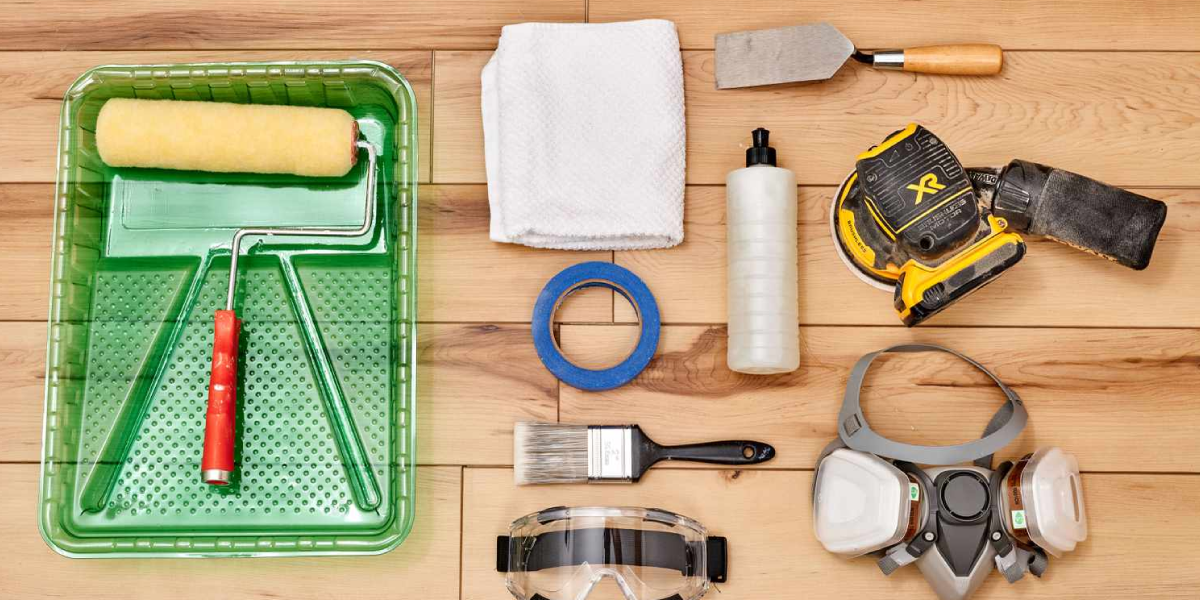
Tools and Supplies You Might Need to Take Paint off Concrete

Here’s a quick list of things you may need, depending on the method:


  • Scrub brush
  • Dish soap
  • Warm water
  • Paint stripper or remover
  • Pressure washer (optional)
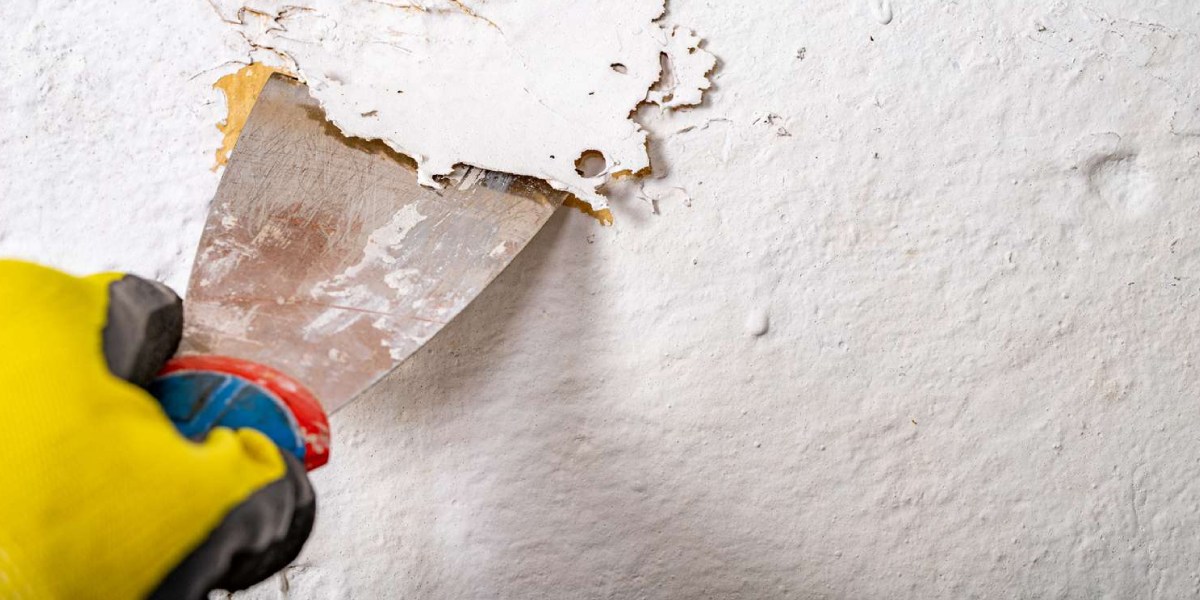
  • Putty knife or scraper
  • Baking soda or vinegar
  • Drop cloths or plastic sheets
  • Gloves and safety glasses

How to Get Paint Out of Concrete: Best DIY Ways

Let’s now go through the DIY steps on how to take paint off concrete, starting from the simplest to the more serious methods.


1. Try Soap and Warm Water First

If the paint is still fresh or not too thick, this is the easiest way to start. Just grab a bucket, mix in some dish soap and warm water, and pour it right over the paint. 


Then take a stiff brush and scrub the area. Once you’re done, rinse it off with clean water. You might have to do it a couple of times, but it’s safe, gentle, and doesn’t cost much at all.


If you’ve used water to scrub off paint, make sure the concrete dries fully, cause wet floors can be tricky to dry properly. 


Also, remember that drying water-damaged concrete is harder than you think and needs proper care.


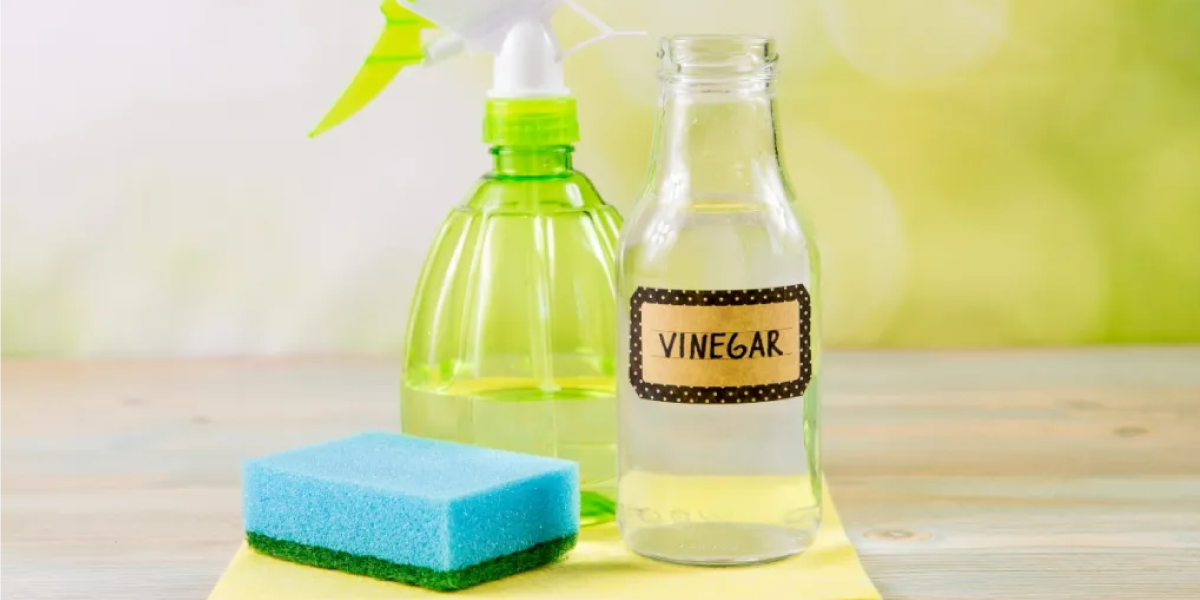
2. Use Vinegar and Baking Soda

If you want something safe and chemical-free, this method is perfect. 


Heat up some vinegar. It doesn’t have to boil, just hot enough. Pour it over the paint spot and let it sit for about 15 minutes. Then sprinkle some baking soda on top. 


Now scrub the area well and rinse it with water. This is great for small paint stains or older ones that are starting to fade.


3. Use a Commercial Paint Remover

If the paint is really stuck and nothing else works, you can try a store-bought paint remover made for concrete. You’ll find it at any hardware store. Just follow the instructions on the label. 


Usually, you apply it and let it sit for a bit. Then use a scraper or a putty knife to peel the paint off. Scrub the area and rinse it well afterward. One thing, though. Wear gloves and goggles because the chemicals can be strong.


4. Try a Pressure Washer

Got paint all over a big area outside, like your driveway or garage floor? A pressure washer can help a lot. Just make sure it’s powerful enough — around 2500 PSI is a good place to start. 


Spray directly at the paint, and try to hit it from different angles. You’ll see the paint start to lift. Let the area dry afterward and check if it needs another round. 


Just be careful not to go too close so you don’t damage the surface.


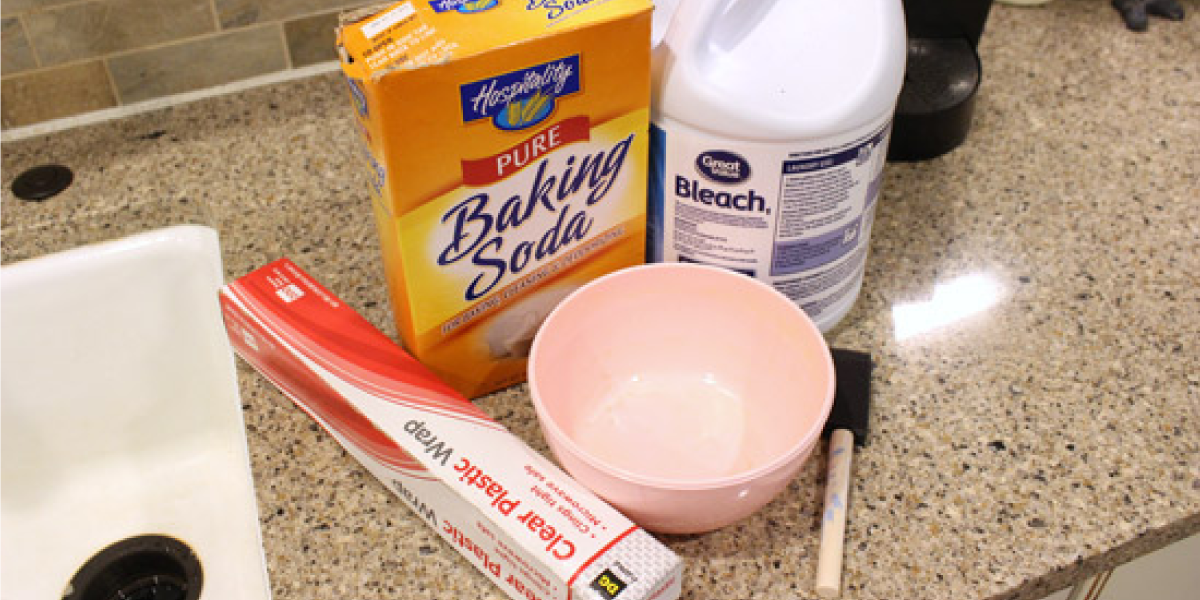
5. Use Paint Stripper with a Plastic Wrap Trick

Here’s a method pros often use, but you can totally do it too. 


First, spread a thick layer of paint stripper over the paint. Right after that, cover the area with plastic wrap. That keeps the remover wet longer, so it works better. Leave it overnight. 


The next day, take off the plastic and scrape away the paint. It should come off much easier now. Rinse everything down afterward. This is a really good trick if the paint is thick or has been there forever.


After paint removal, if you notice a weird smell, it might be time to learn how to check for mold after water damage.

How to Remove Paint from a Cement Floor (Step-by-Step for Indoors)
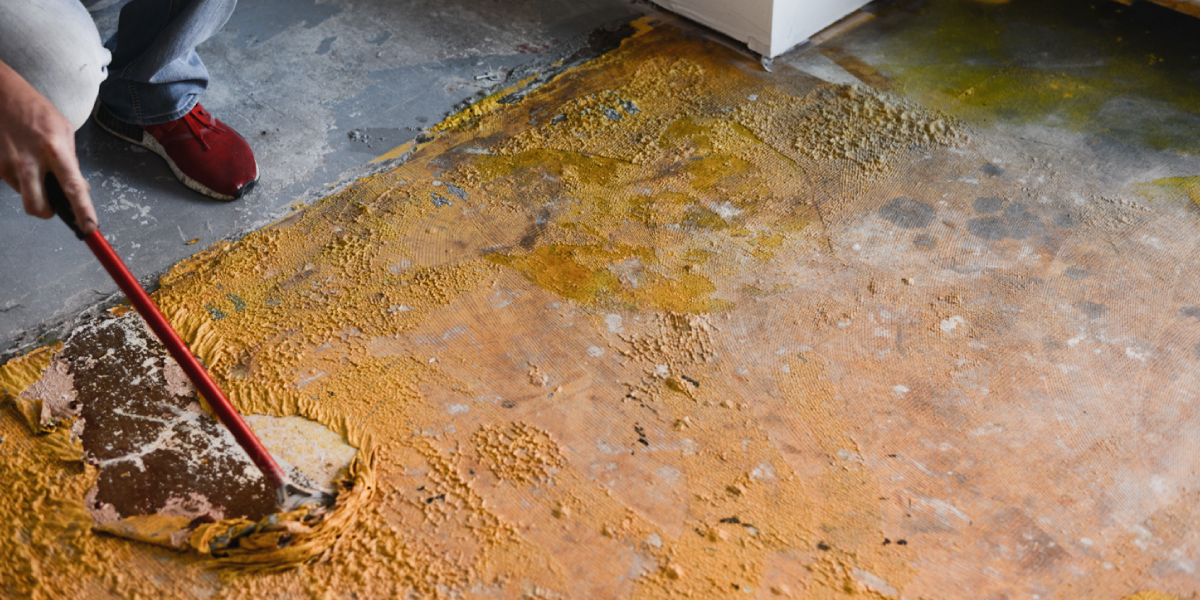
How to Remove Paint from a Cement Floor (Step-by-Step for Indoors)

If you’re dealing with paint on a cement floor, like in a garage, basement, or utility room, the process is almost the same as outdoor concrete, but you’ll want to be more careful with fumes and mess. 


Start by trying soap and warm water if the paint is fresh. For dried paint, scrape gently with a putty knife, then use a concrete-safe paint remover or a vinegar and baking soda mix. 


Since you’re indoors, make sure the room is well-ventilated and avoid using anything too strong unless you can open windows or use fans.


If the paint removal caused any cracks or soaked areas, you might need water damage restoration – the full guide can help.

How Do Professionals Clean Paint from Concrete?
How Do Professionals Clean Paint from Concrete

When the pros come in to remove paint from concrete, they don’t just use one method. They mix different tools and chemicals based on the type of paint and where it’s stuck. 


They might use sandblasting, which shoots out fine sand at high speed to scrape the paint off fast, though it can wear down the surface if not done carefully. 


For indoor floors, they often go with shot blasting, which is similar but more controlled. If the paint is really tough, they use strong industrial-grade paint strippers that you can’t usually buy in stores. 


They also use heavy-duty pressure washers that are more powerful than the ones you rent for home use. To keep things clean, they vacuum up the leftover paint bits so there’s no mess left behind.


When Should You Call a Professional?

If the paint covers a big area, the concrete is fancy or fragile, or nothing you tried is working, it’s better to call a pro. Also, if the paint might be lead-based or you just want it done fast without stress, a pro can save you time and avoid any damage.


Besides, if the paint was caused by something bigger, like water damage or flooding, there’s a chance that mold might be growing underneath, too. In that case, it’s not just about removing paint. 


You’ll want proper water damage and mold removal done as well. That’s where a trusted restoration team like ours can step in and handle it all safely and fast. 


Just reach out for a free estimate whenever you’re ready.

Eco-Friendly Paint Removal: What Are Your Options?

If you’re someone who cares about the environment or you have pets and kids around, it’s smart to go with safer options. So, how do you get paint off concrete through eco-friendly methods? You can use things like vinegar, baking soda, or even citrus-based paint removers. They’re natural and still work well for smaller stains. 


Try to stay away from harsh stuff like acetone or mineral spirits since they’re not safe to breathe in or touch. There are also biodegradable products like Eco-Etch Pro or Soy Gel that are made just for this kind of job. 


And no matter what you use, make sure you throw away any leftover paint or remover the right way. Never pour it down the drain.

What About Old or Dried Paint?

Dried paint is tougher to deal with, but you can still get rid of it. It just takes more effort. Start by scraping off as much as you can with a putty knife. Then apply a paint stripper and let it sit longer than you normally would, so it has more time to break down the paint. Sometimes you might need to do this more than once, but with patience, even dried paint can be removed.

Can You Prevent Paint Stains on Concrete?

Yes, and it’s actually pretty simple. Always put down a drop cloth before you paint anywhere near concrete. It catches any spills or drips. Use painter’s tape along the edges so nothing sneaks through. 


You can also seal your concrete using a good concrete sealer, which helps keep paint from soaking in. And if you do spill any paint, clean it up right away before it dries. That’s the easiest way to avoid stains.

Common Mistakes to Avoid When Getting Paint Out of Concrete

Let’s save you some time by pointing out mistakes people often make:


  • Not testing a small area before using chemicals.


  • Leaving paint remover on for too long can cause damage to the concrete.


  • Not using safety gear.


  • Scrubbing with metal brushes (this can scratch the concrete).


  • Using too much pressure and damaging the surface.

Final Tips Before You Start


  • Always check if your concrete is sealed or unsealed. Some removers can damage sealed concrete.


  • If you’re unsure, start with the gentlest method first.


  • If it smells strong or feels too tough, don’t hesitate to call a pro.


  • Take your time — better slow than sorry.

Wrapping Up: Yes, You Can Do It!

Getting paint out of concrete is not impossible. With a little time and the right method mentioned in this guide on how to get paint out of concrete, and some patience, you can make that concrete look clean again. Try the safe DIY ways first. If it’s too much, there’s no harm in calling a pro, especially if you want fast, spotless results.


FAQs

  • How do you get dried paint off of concrete?You can scrape off dried paint first, then use a concrete-safe paint remover or vinegar and let it sit before scrubbing.
  • What product will remove paint from concrete?Look for paint removers made for concrete, like Soy Gel or Eco-Etch Pro. They break down paint without damaging the surface.
  • How to get rid of the concrete smell?Mix baking soda and water, scrub the surface, and let it air out. Fresh air and vinegar also help remove the smell.
  • Will paint come out of concrete?Yes, paint can come out of concrete with the right method, like scrubbing, paint removers, or calling a pro if it’s too stubborn.
Posted on: July 20, 2025

How to make your house smell good

One of the most important things in your home that can make or break its and your reputation is its smell. There are a plethora of ways to enhance the good smell of your home. First, you must keep your home clean. Then you should ventilate the house, use natural items that smell good, and use materials that enhance scent, while also using scented detergents. 

Whenever you welcome a guest, before even entering the house, they can smell it. If the house smells good, then it leaves a positive impression on their minds about your abode. On the other hand, a foul-smelling house will not only hurt your reputation, but left unchecked, it can also cause you health problems depending on the source of the smell.

Here is how to make your house smell good.

How to make your home smell amazing

If you are stressed about how you can enhance the smell in your home while getting rid of the foul odor, you are in luck. Because there are a lot of easy and affordable ways to go about it. Here are some: 

1. How to make the house smell good by cleaning

How to make the house smell good by cleaning

One of the main reasons homes smell bad is that they are disappointingly unclean. So, clean your home to ensure it smells good, or at least doesn’t have a foul odor lingering in the air. You must take the trash out regularly, and not let it rot either in the house or anywhere around it. 


Also, ensure you throw any leftover food into the trash as soon as you are done eating, since food items, related trash, and leftovers are one of the chief reasons for foul odors in a home. Next, clean your soft surfaces regularly and thoroughly (don’t damage them in the process, though). 


Your cushions, carpets, pillows, and upholstery can attract a lot of dirt that can accumulate to have a bad smell. Cleaning them regularly will prevent it from happening. While we are on the subject of carpets, make sure you vacuum them regularly to get rid of anything that can produce a bad smell. 


Finally, clean the drains in and around your home to make sure they are not clogged with dirt or anything similar. Even clogged water that has been in the drain for a few days can produce an acrid smell, so cleaning it is essential. The best way to clean the drains is to pour baking soda and vinegar in the sinks and then run the water. 


2. How to make your house smell nice with ventilation

How to make your house smell nice with ventilation

Another effective and easy way to ensure the house smells good is to ventilate it properly. Poorly ventilated homes have bad-smelling particles lingering in its air, which causes the home to smell foul. Also, homes that are not ventilated properly can have molds grow in them, which another source of bad smell.


To ventilate your house in a proper manner, keep all the windows and doors open, even if for a short time. After a time, you can close some of the windows and doors. Also, using exhaust fans to clean out stagnant air is a great idea, which will keep your home from getting smelly. 


3. How to make your whole house smell good using natural materials

How to make your whole house smell good using natural materials

Yes, a house can be kept smelling good with only natural materials. Not only does it offer a more sustainable method, but it also ensures you leave as low a carbon footprint as possible while ensuring the house smells good. The first method that can be used is simmer pots, with things like citrus peels or cinnamon sticks simmering in them.


Next, a mixture of baking soda along with essential oils is also vary effective. First, put some baking soda in a jar and then pour a little essential oil into it. Poke a few holes in the lids and put them in a corner of your house. The bad smell will be taken care of. 


Finally, not a lot of people know this, but some houseplants also keep bad smells at bay. Plants such as eucalyptus and lavender are an excellent choice for this. On one hand, these plants enhance the aesthetics of your home, while on the other hand, they ensure your home keeps smelling good.


4. How to make your room smell good using scent enhancers

How to make your room smell good using scent enhancers

On the opposite end of the spectrum are the artificial scent enhancers. There are a lot of choices for you when it comes to artificial materials that enhance the smell of your home. Various candles, wax melts, or incense are very popular and effective choices in this category. 


Additionally, you can use essential oil diffusers in your home or various plug-in air fresheners. Scented sachets in closets or drawers will also do the trick.


5. How to make your house smell good using scented detergents

How to make your house smell good using scented detergents

When you wash your clothes, instead of using plain and boring detergent, you can try ones that have various scents. This way, when you wash the sheets or clothes, the house will have the smell of the detergent, getting rid of the foul smell.


6. How to make your house smell good using air fresheners

How to make your house smell good using air fresheners

Air fresheners are one of the most tried and tested methods of ensuring a good-smelling home. There are a lot of good air fresheners on the market with an assortment of scents. Pick the one that suits your budget as well as your taste for your home.


Final Words

Smell is one of the main ways people associate good or bad, and this goes for your home as well. So, it is a must that you know how to make your house smell good to not only enhance the aesthetics and reputation of your home, but also keep it healthy and hygienic. 


Posted on: July 14, 2025

How Long Does Mold Take to Grow? Find Out Now!

If you’ve had water damage in your home or noticed some damp spots around, you might be wondering: how long does mold take to grow? The answer might surprise you: mold can start growing in just 24 to 48 hours!

In this blog, let’s talk in detail so you understand exactly how fast mold grows, why it happens, what helps it spread, and how to stop it before it becomes a big problem.

Let’s get started.

So, How Long Does Mold Take to Grow?

In short:

Mold starts growing within 24 to 48 hours after moisture appears, and it can become visible in as little as 18 to 21 days if not cleaned or dried properly. Mold loves wet places. 

So, if you have a leaking pipe, a flooded basement, or even just humidity in the air, mold might already be on its way.

Let’s break it down:


Stage Timeframe What Happens
Initial germination Within 24 to 48 hours Mold spores find moisture and start to grow
Colonization Around 3 to 12 days Mold forms small colonies and spreads internally
Visible growth Around 18 to 21 days You may start seeing spots, stains, or patches


What Speeds Up Mold Growth?

So, how fast does mold grow? Let’s talk about the primary factors that affect how fast mold can grow:


  1. How Long Water Has Been Sitting: If you’ve had a flood or leak and didn’t clean it up within 24 hours, mold may already be starting.


  1. The Temperature: Mold grows quickly in warm spaces. If your home is always warm, mold will love it.


  1. Ventilation: A home with poor air flow traps moisture. Mold grows much faster in stale, humid air.


  1. Organic Surfaces: Mold feeds on things like wood, paper, fabric, or dust. If your walls are painted with regular paint, they’re more likely to support mold growth. Inorganic paint or surfaces (like tiles) slow it down.

What Does Mold Need to Grow?

What Does Mold Need to Grow

Mold doesn’t need much to grow, just three simple things: moisture, warmth, and organic surfaces. 


Moisture can come from things like leaks, floods, too much humidity in the air, or even condensation on windows. Warm places help mold grow faster, so if your home is always warm, that’s a bonus for mold. Then there are organic surfaces. These are things like wood, drywall, wallpaper, or even just regular house dust. 


When all three are present, mold grows quickly. Even something small, like a tiny drip under your sink, can lead to mold if it stays wet and unnoticed for just a couple of days.

Where Does Mold Usually Grow?

Where Does Mold Usually Grow

Mold can grow anywhere that’s damp, but here are some common spots inside a house:


  • Bathrooms (especially around showers or bathtubs)


  • Kitchens (under sinks or behind the fridge)


  • Basements (especially if it’s humid or has flooding)


  • Attics (due to roof leaks or poor ventilation)


  • Walls, ceilings, carpets, wood, and even food


Even if you don’t see mold yet, it could already be growing behind walls or under carpets where there’s hidden moisture.


Not sure if mold is hiding in your home? Learn how to test for mold in the house using easy methods anyone can try.

How Do You Know If Mold is Growing?

How Do You Know If Mold is Growing

If you’re wondering whether mold is growing in your home, there are some signs you can look for. 


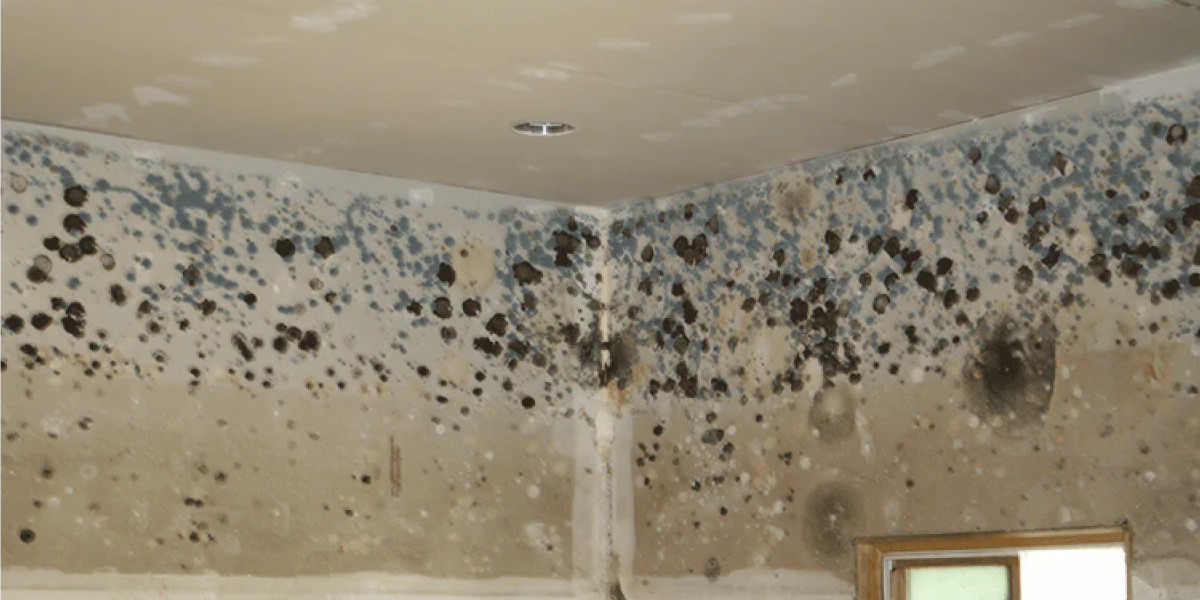
First, you might notice a musty or earthy smell that doesn’t go away. Then, you could see black, green, or brown spots on your walls, ceilings, or fabrics. Sometimes, the paint might start peeling or bubbling, or the wallpaper may look warped. 


You might also start feeling sick with symptoms like sneezing, coughing, skin rashes, or breathing problems. Even if you don’t see mold yet, that smell and those health signs can be a big clue that it’s already there.


If you’ve had a leak or flood, it’s important to know how to check for mold after water damage before it spreads.

What Happens If You Don’t Remove Mold?

If you don’t remove mold, it can lead to serious problems. Mold lets out tiny spores that float in the air, and when you breathe them in, they can cause health issues like coughing, allergies, headaches, skin irritation, and breathing troubles. 


But it’s not just your health at risk; mold also feeds on whatever surface it grows on. That means if you ignore it, mold can slowly destroy your walls, ceilings, carpets, and even furniture. 


So, waiting to deal with mold is never a good idea.

Should You Remove Mold Yourself?

Should You Remove Mold Yourself

You might think about removing mold yourself, and for small patches, that’s possible, but there are risks. You could end up breathing in harmful spores, or even worse, spreading mold to other parts of your home without meaning to. 


Plus, if you do not fix the actual source of moisture, it will just keep coming back. That’s why, for bigger or hidden mold problems, it’s best to call a mold removal professional


They have the right tools, safety equipment, and experience to safely clean it up without spreading it further.

How to Stop Mold from Growing

To stop mold from growing in the first place, there are a few simple things you can do. 


First, always dry out wet areas quickly. Use fans and dehumidifiers right after a leak or flood. Second, fix leaks as soon as you notice them, even small ones under sinks. 


Third, make sure your home has good airflow—open windows, turn on exhaust fans, or install a proper ventilation system to reduce moisture. Fourth, clean up any spills right away and do not let water sit on carpets, wood, or fabric. 


Lastly, use mold-resistant materials in damp places like bathrooms—tiles and waterproof paint can really help stop mold from taking hold.

Tools That Can Help You Tackle the Mold Crisis

Tools That Can Help You Tackle the Mold Crisis

  • Dehumidifier – Pulls moisture from the air


  • Wet vacuum – Helps remove standing water


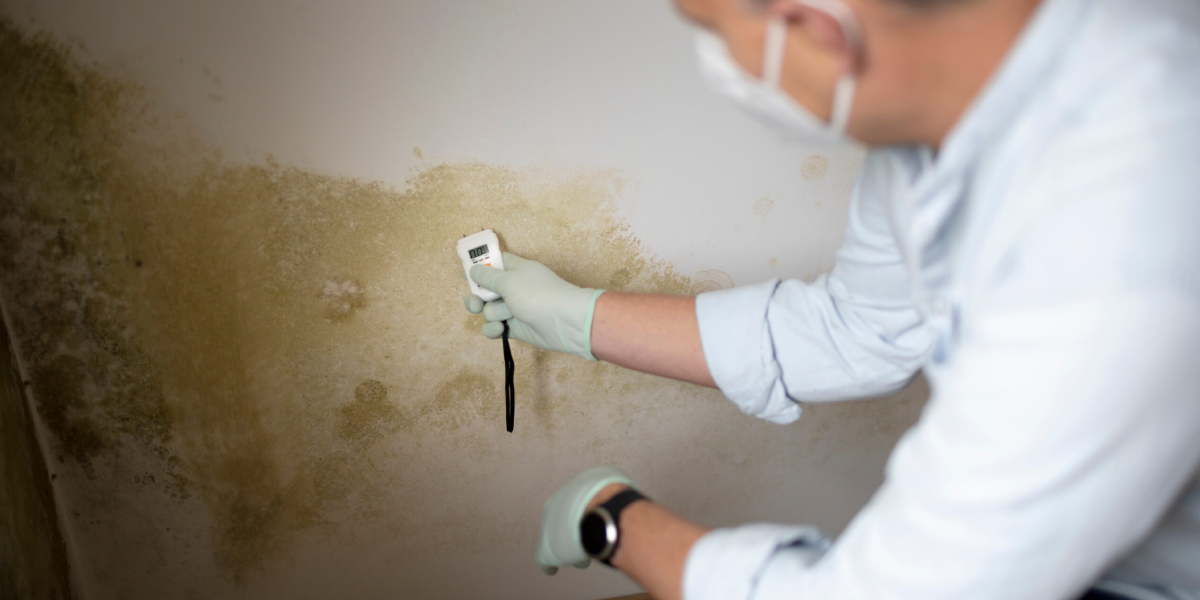
  • Moisture meter – Helps you find hidden damp spots.

Wrapping Up

So, how long does mold take to grow? Just a day or two — that’s it. Once it finds moisture, it doesn’t wait. It spreads fast and can damage your home and your health.

The best thing you can do? Act quickly. If you spot water damage, clean and dry it immediately. If you already see or smell mold, don’t wait — call a professional or take action fast.

Staying ahead of mold is much easier than dealing with a full-blown infestation later.


FAQs

  • How long does it take for black mold to grow?

    Black mold can start growing within 24 to 48 hours after moisture appears, and if the area stays wet and warm, it can become visible in about 18 to 21 days.

    Visit this guide to learn how to remove black mold

  • How quickly can mold grow?

    Mold grows very fast. It can begin within just a day or two after water damage, and with the right conditions like warmth and moisture, it spreads quickly through walls, ceilings, or fabrics.

  • What are the 10 warning signs of mold toxicity?

    Common signs of mold toxicity include coughing, sneezing, headaches, fatigue, skin rashes, watery eyes, breathing problems, brain fog, sinus congestion, and even mood changes like anxiety or depression.

  • What kills 100 percent of mold?

    To completely kill mold, you need strong cleaners like commercial mold removers, white vinegar, or hydrogen peroxide, but for deep or hidden mold, professional treatment is often the safest and most effective way.

  • How long does it take for mold to smell?

    Mold usually starts giving off a musty or earthy smell within a few days after it begins to grow, especially in closed-up or humid spaces where there’s no airflow.

  • What’s the difference between mold and mildew?

    Mildew is usually gray or white, grows flat on damp surfaces, and is easy to clean, while mold is often black or green, grows deeper into surfaces, and can cause more damage and health problems.

Posted on: July 14, 2025

How to get smoke smell out of a house

Smoke smells, be it from cooking, cigarettes, or any other sources, can persist for a long time in the house and make it foul-smelling. It is a must for both hygiene and overall health of the household to get rid of the smell of the smoke as soon as possible. Smoke smell removal from the home is a multi-step procedure, including deep cleaning the surfaces and ventilating the area. You might wonder: How to get smoke smell out of a house?

A lot of factors may cause your home to smell like smoke. From simple reasons like cooking smoke or cigarette smoke, to serious cases like a fire, the reasons that your house smells like smoke are many. The method of removing the smell of the smoke is also varied, depending on the source of the smell. 

Let’s now take a look at how to get the smoke smell out of the house. 


How to get the smoke smell out of your house

How to get the smoke smell out of your house

To remove the smoke smell from the house, you must first gauge the severity and the source of the smell. If the smell is due to a cigarette or cooking, then you need to do the bare minimum to get rid of it. On the other hand, if the root cause of the smell is something severe, such as a house fire, the odor removal procedure is more thorough. 


Let’s see how to get a smoke smell out of the house.


  • Ventilation: The first step in removing all types of smoke smell is proper and thorough ventilation of the house. To do so, ventilate the home opening all the windows as well as doors. If the smoke is due to a small source, this step alone might be enough. 


In addition to that, you can also use fans, both ceiling and exhaust, to push all the smoke and its smell out of the rooms. If you don’t have exhaust fans, using smaller table fans will also do the job.

  • Surface Cleaning: Once you have gotten rid of the smoke and the lingering smell in your home through ventilation, it is now time to remove the smoke particles from the surfaces of your home. All the hard surfaces of the house have to throughly wiped to do it. Here is how:


  • Walls and ceilings: To clean your walls and ceiling, make a mixture of white vinegar and warm water in a 1:1 ratio. Then wipe the surfaces with this using a white cloth or a sponge. If you need a stronger solution, then use TSP cleaners. These will remove even the toughest of smoke smells from the aforementioned surfaces. 
  • Furniture: The process and materials used to clean the furniture are a bit different from those of the walls and ceiling. Instead of white vinegar and water, use vinegar and/or soap to first wipe the furniture’s surface. If your furniture has removable covers and/or cushions, remove them before wiping. 


Wash the covers and cushions with detergent. Steam cleaning the upholstery is a great idea if you want to be completely sure of smoke odor removal. 


  • Cleaning the HVAC system: It doesn’t matter if the smell of smoke is less or more intense; it will always get into your HVAC system because of how the system works. So, irrespective of the intensity of the smoke, you must clean the HVAC systems.


For this, it is best not to tinker with the HVAC systems yourself. Contacting a local HVAC cleaning service to do it for you is the best option. Not only do they have the required experience to save your system from any unnecessary harm, but they also have the tools to clean it properly. 


  • Washing the fabrics: The fabrics in your home absorb the most smoke particles among all other things; as a result, they also smell like smoke the most. So, mix white vinegar with warm water, and soak your pillow covers and linens in it. For carpets, sprinkle a large amount of baking soda on them.


Vacuum your carpets and the fabrics shouldmbe washed with warm water. To deep clean your carpets and upholstery, steam cleaning them is a very good idea. 


  • Deodorizing the air: Even if you clean all the things in your home, there might be a lingering smell of smoke in your home. Bowls of charcoal, baking soda or white vinegar set all over the house should do the trick. These will absorb the smoke particles and act as natural deodorizers.


You can also filter the air with HEPA filters and/or carbon filters. These will purify the air and remove the smell. Also, commercial odor removers such as Ozium or Odo Ban will do the job perfectly.


  • Repainting (optional): This step is not a mandatory one, and only applies if the paint in your home is damaged due to fire. First, use a primer that blocks smells on your walls and ceiling. Then use fresh paint to paint the surfaces.


Final Words

Since the smell is very irritating and tough to remove, knowing how to get the smoke smell out of a house is a lifesaver. Because smoke particles that linger around the house are sometimes extremely harmful to your health and can be fatal if persistent. For a more professional approach, contacting a local cleaning service is a good alternative.  


FAQ

1. What kills smoke smell in a house?

There are a lot of things that kill the smell of smoke in a house. These include


  • White Vinegar
  • Baking Soda
  • Charcoal
  • Deodorizers, etc.


2. How long does it take for the smoke smell to go away in a house?

The time it takes for the smell of smoke to go away from the house depends on the intensity. For light smoke, it requires a couple of days maximum, provided you have proper ventilation. For more intense smoke, it may take weeks, especially if you have to repaint the walls and ceiling.


3. How to remove the cigarette smell from the room instantly?

To get rid of cigarette smoke instantly, you need to ventilate the room immediately while deodorizing the freshening the air of the room. Use air fresheners and white vinegar, charcoal, or baking soda to get the cigarette smoke out of the room as soon as possible. 


Posted on: July 7, 2025

6 Steps on How to Get Rid of Skunks Fast

If you want to get rid of skunks fast, first find where they’re hiding and close off all the ways out except one. Then put some peanut butter by that open spot to lure them out, and toss a few mothballs nearby because skunks hate that smell. 

When they leave, make sure to seal up all holes so they don’t come back again.


You know that awful smell that suddenly shows up in the yard? It creeps in quietly, usually near the porch, deck, or crawl space, and then your dog starts acting weird or worse, comes back smelling like a nightmare. 


Yep, you probably have a skunk in your yard. And if you’re like most people, your first thought is how to get rid of skunks fast before things get worse. The good news? 


There are simple and safe ways to do it without getting sprayed by their awful smell and without making a big mess in your yard. In this blog, we’ll cover the skunk removal process, how to stop them from coming back, and when to call a pro.

First, Why are Skunks Even Here?

Why are Skunks Even Here

Skunks usually come looking for food or a cozy place to sleep. They’re shy, but when threatened or surprised, they spray. And trust us, even one spray is nasty. If you’ve got:


  • Pet food or trash outside


  • Grubs in your lawn


  • A nice dark crawl space or under-porch area


then your home is a skunk’s dream vacation spot. That’s why learning how to deter skunks and keep them away is so important.

Here are the Crucial Steps on How to Get Rid of Skunks Fast

So, how do you get rid of skunks fast? Let’s follow the steps below.


Step 1: Confirm the Skunks are Actually There

Confirm the Skunks are Actually There

Before you do anything, you need to make sure it’s really a skunk causing the problem. 


You’ll often notice a strong, bad smell that you can’t miss. Look for small, cone-shaped holes in your lawn where they dig for bugs. You might also see your trash cans knocked over or opened, little paw prints with claws around, or hear noises under your porch or deck at night. 


Sometimes, you might even spot a skunk hiding in a den under your deck or shed. Once you see these signs, you know it’s time to do something about the skunks.


Step 2: Try the Peanut Butter and Moth Ball Trick (Yes, Really!)

Try the Peanut Butter and Moth Ball Trick

This simple skunk removal trick works better than you’d expect. Here’s what to do:


Block All But One Exit

Skunks don’t like to be trapped, but they do need a clear way out. First, check your crawl space, under your porch, or shed. Find all the possible ways skunks are coming in and out.


Now block all the exits except one. Leave one path open for them to escape.


Bait Them with Peanut Butter

Put a spoonful of peanut butter near that one exit. Skunks love it. The idea is to attract them to the exit so they can leave on their own.


Scare Them Off with Moth Balls

Toss some mothballs near their hideout. Skunks hate the smell! After a few minutes, they’ll get annoyed and leave, usually looking quite grumpy.


Do not mix the peanut butter with mothballs. Keep them separate. Peanut butter draws them out, and the mothballs drive them away.


Step 3: Seal Everything Up Tight


Alright, once the skunks are out of your yard, the next important thing is to stop them from coming back. 


You need to block every place they might use to sneak in again. Check under your porch, shed, or deck and cover any open spots using strong wire mesh or metal sheets. 


If there’s a crawl space, cover the entrance with a tough screen or barrier. If your soil is soft, dig a few inches down and bury the mesh so skunks can’t dig back in. 


In cold areas, go even deeper because skunks try harder to find warm places. This kind of sealing is what professionals call an exclusion service, which just means closing every way an animal could get into your space. 


A little tip here—use galvanized hardware cloth. It’s strong, it lasts through bad weather, and skunks cannot chew through it.


Step 4: Remove Anything That Attracts Skunks

Remove Anything That Attracts Skunks

Now that the skunks are gone and you’ve sealed up their entry points, let’s make your yard a place they don’t want to come back to


First, bring pet food indoors or take the bowls inside at night. Make sure your trash cans are closed tight, using strong lids or even straps if needed. Skunks dig for bugs called grubs, so treat your lawn to get rid of those. 


If you feed birds, try to clean up any birdseed that falls on the ground. Also, pick up any woodpiles, old junk, or overgrown plants where skunks might want to hide. 


When your yard becomes boring with no food and no hiding spots, the skunks will go somewhere else.


Step 5: Add Motion Lights and Repellents

Add Motion Lights and Repellents

So, how to get rid of skunks in your yard? 


Skunks like dark, quiet places, and they come out mostly at night. So if you really want to scare them off, light and smell can help. Motion-activated lights are great because when they turn on suddenly, they startle the skunks and make them leave. 


You can also use skunk repellents. These are sprays that smell like predators or strong homemade mixes like garlic water or cayenne pepper and water. 


But remember, these smells don’t last forever. Skunks might get used to them after a while. That’s why it’s best to use these along with the other steps, like sealing up holes and removing food sources. 


That’s how to keep skunks away for good.


Step 6: If You Find One in Your House… Stay Calm

If You Find One in Your House

Okay, if you ever find a skunk inside your garage, crawl space, or even your house, don’t freak out. Stay calm. 


First, keep your pets and kids away so they don’t scare the skunk. Then, open doors or windows so the skunk has a way to get out on its own. Do not yell, chase it, or throw anything. Skunks spray when they get scared, and that smell is no joke. 


If the skunk doesn’t leave or is stuck, call a skunk control service. They have the right tools and know what to do so no one gets hurt and the skunk can be removed safely.

What About Skunk Traps?

Skunk traps are another option, but you need to be very careful. These are live traps that catch the animal without hurting it. You bait it, the skunk goes in, and the door closes.


But here’s the catch:


  • You might get sprayed.


  • It could be illegal to trap and move skunks where you live.


  • Trapping without experience is risky and often not allowed.


  • This is another reason why hiring a skunk control service is a smart move.

Should You Do This Yourself or Call a Pro?

Should You Do This Yourself or Call a Pro

Let’s be honest. If you’re dealing with one skunk and feel confident, you can try the peanut butter and mothball trick and seal things up on your own.


But you should call a wildlife professional if:


  • You have a whole family of skunks


  • One is inside your home, or stuck


  • They keep coming back


  • Any of them look sick or aggressive.


Skunk removal isn’t just about smell. Skunks can carry rabies and other diseases. Professionals use safe traps, follow local rules, and remove skunks without anyone getting hurt or sprayed.


Also, if a skunk left behind a mess, smell, or health risk, our Biohazard Cleanup service at SOS Restoration is here for you. We handle everything safely, fast, and with care, so you don’t have to worry. 


Call us now at 888-538-4280 for a free estimate and quick help from our expert team.

Important Extra Tips People Often Miss

There are a few extra things people often forget, but they’re really important. 


First, remember that mothballs do not last forever. After a while, they slowly turn into gas and disappear, so they’re not a long-term fix. Also, be patient. Skunks may not leave right away, even if you use peanut butter or mothballs. Give them time. 


Never try to trap a skunk without knowing your local laws, because in some places it’s illegal or unsafe to do it yourself. Skunks can carry diseases, and trapping them wrong could get you sprayed. 


And finally, talk to your neighbors. If they have skunks too and don’t take care of the problem, the animals might just go back and forth between your yards. 


Working together makes it much easier to keep skunks away for good.


Skunk den areas might have moisture and mold risks. So, if you find damp areas where skunks lived, check out how to check for mold after water damage to keep your home safe.

Wrapping Up

So, coming to this point, we can assume that you now know how to get rid of skunks fast. Getting rid of skunks might seem hard, but it’s really not. With some peanut butter, a few mothballs, and the right skunk deterrent steps, you can make them leave without getting sprayed. Just find the problem early, help them leave safely, close all the gaps, clean up food and hiding spots, and use lights or smells if needed. If it feels too risky, call a pro. 


Take action and enjoy your yard again.


Skunks can sometimes damage your yard or house, so learning about water damage restoration can really help fix things fast.


FAQs

  • How do you get a skunk to leave?

    To get a skunk to leave, make the area uncomfortable for it. You can use strong smells like mothballs, loud noises, or bright motion lights. Also, leave one exit open and place peanut butter near it to gently guide the skunk out.

  • What do skunks hate the most?

    Skunks hate strong, stinky smells like ammonia, moth balls, vinegar, or pepper sprays. They also don’t like noise, light, or sudden movement, so things like radios or motion-activated lights can also keep them away.

  • What smell will keep skunks away?

    Smells like ammonia, garlic spray, vinegar, or predator urine from garden stores can keep skunks away. These strong smells bother their nose, and they usually avoid places where they smell them.

  • Why do skunks spray every night?

    Skunks don’t spray every night on purpose. They spray only when they feel scared or surprised, like if a dog or person gets too close. Since they are active at night, that’s usually when spraying happens.

  • How to get rid of skunks naturally?

    To get rid of skunks naturally, clean up food like pet bowls and trash, use lights at night, and spray garlic or pepper water near their hiding spots. Also, block places they like to hide, like under porches or sheds.

  • How to get rid of skunk smell in the house?

    To get rid of skunk smell in the house, open windows and doors to air out your home. Use a mixture of baking soda, hydrogen peroxide, and dish soap to clean surfaces and fabrics that smell bad. If the smell is strong, try using vinegar or activated charcoal to absorb it.

  • How to get rid of skunks under the house?

    First, make sure the skunks have left safely by blocking all exits except one. Use strong lights and natural repellents like ammonia-soaked rags or mothballs nearby to encourage them to move out. After they’re gone, seal all openings with wire mesh so they can’t come back.

  • How to get rid of skunk smell on a dog?

    If your dog got sprayed by a skunk, mix baking soda, hydrogen peroxide, and a bit of dish soap together. Gently rub this mix into your dog’s fur (avoid the eyes), let it sit for five minutes, then rinse really well with warm water. You may need to repeat it once or twice until the smell is mostly gone.

Posted on: July 7, 2025

How to Test for Mold in the House: 5 Key Ways


To test for mold in the house, you have to first look and smell around for any musty odors, black or green spots, or signs of water damage on walls, floors, or ceilings. Use a hygrometer to check if indoor humidity is above 50%, which can help mold grow. If you’re still unsure, use a home mold test kit for a basic check or call a certified mold inspector for a full professional inspection.


Mold is something we all want to avoid in our homes. It’s not just a bad smell or some ugly spots on the wall, it can actually make you and your family sick. If you’re feeling unwell or if your house has had leaks or humidity problems, mold might be the hidden reason behind it. 


In this guide, we’re going to talk step-by-step about how to test for mold in the house, when to call a professional, what tools and tests are used (like a mold testing kit or black mold detector), and even what the EPA says about this.


Let’s start from the beginning.

What is Mold and Why Should You Worry?

What is Mold and Why Should You Worry

Mold is a type of fungus that grows when there is moisture and something to feed on, like wood, drywall, carpet, or paper. Some mold is harmless, but some types, especially black mold, can produce harmful mycotoxins that can make people really sick.


If you’ve had a water leak, high humidity, or smell something musty in your home, mold might be hiding somewhere. The scary part? Mold can even grow behind walls, under floors, or in the air vents where you can’t see it. 


That’s why people often ask, “How can you check for mold in your house?” and that’s exactly what we’ll help you with in this article.

How to Test for Mold in the House – Step-by-Step

So, how to test for mold in your house? Let’s walk through each step in detail.


1. Look and Smell Around – Visual and Smell Check

Look and Smell Around

This is your first simple test. Use your eyes and nose to start.


So, what does mold look like? Mold can appear fuzzy, slimy, or powdery, and its color can be black, white, green, or even orange. That’s why you should look for stains, black or green spots, bubbling paint, warped floors or walls, or peeling wallpaper.


Smell for: A musty, old-book, or damp basement smell. Mold smell usually means mold growth is already happening.


If you see or smell anything suspicious and wonder how to detect mold in your home, it’s time to take the next steps.


2. Check for Leaks and Dampness

Check for Leaks and Dampness

Mold loves moisture. Ask yourself:


  1. Has there been a roof leak, plumbing issue, or a flood recently?


  1. Do you live in a humid area?


Use a hygrometer (a small tool that measures humidity) to check your home’s moisture. This is a great way to detect mold inside walls, especially if you suspect hidden water damage


If indoor air is above 50-55% humidity, it’s a good spot for mold to grow. Here are the ideal humidity levels:


  • Below 50% = Safe
  • 50%-60% = Risk starts
  • Above 60% = Mold-friendly zone.


You can buy a hygrometer online or at hardware stores for a low price.


You can visit this informative guide to learn how to check for mold after water damage.


3. Check the Heating and Cooling System (HVAC)


If mold grows inside your air ducts, it can spread all over your home through air vents. So, check for:


  • Black dust or spots around vents
  • A musty smell when air comes out.


In such cases, your HVAC filter can even be tested using a mold tester or during a professional inspection.


4. Use DIY Mold Test Kits (But Be Careful)

Use DIY Mold Test Kits

You can also use an at-home mold test kit if you’re curious or want to take a first step before calling someone. These home mold test kits let you collect air or surface samples.


  • Good for: Getting a basic idea


  • Not always accurate: They can give false negatives or miss hidden mold.


So, while an at-home mold test or black mold detector is cheap and quick, if your symptoms continue or you’re still worried, it’s safer to get professional help.


How to Test for Black Mold in the House

If you think there might be black mold in your house, start by checking areas where it’s damp, like bathrooms, basements, under sinks, or near leaky windows. 


Look for dark, spotty patches on walls, ceilings, or around tiles. Black mold often looks like black or dark green stains. It usually has a strong, musty smell too. 


You can use a home test kit to check if it’s mold, but if you feel sick or the mold is in a big area, it’s best to call a mold expert who can test it properly and tell you exactly what kind of mold it is.

For detailed information, you can visit this guide to learn how to remove black mold.


5. Professional Mold Testing: When You Must Call for Help

Professional Mold Testing

If you’ve tried simple methods and still feel unsure, you might need a mold inspection near you. You should definitely consider calling a professional if:


  • You’ve had any water damage
  • Your home smells musty and you don’t see visible mold
  • Someone in the house is sick with headaches, rashes, or fatigue
  • You want peace of mind with a full checkup.


If you’re Googling “free mold inspection near me,” SOS RESTORATION is always here for you. 

What a Professional Mold Inspection Includes

Here’s what a proper mold inspector or mold tester will usually do:


Step What It Involves
Visual Inspection Checks landscape, attic, roof, basement, and crawlspaces for leaks
Humidity Check Uses digital meters to check moisture in walls and air
Thermal Camera Finds cold spots in walls that may mean hidden leaks
Spore Trap Testing Collects air samples inside and outside the house
Tape Sample Testing Presses tape on surfaces to check mold type
Mycotoxin Testing Lab tests using HVAC filters or duct swabs
Actinomyces Testing Checks for dangerous bacteria found in water-damaged homes

What Does the EPA Say About Mold?

What Does the EPA Say About Mold

The Environmental Protection Agency (EPA) recommends:


  • Dry any wet areas within 24 to 48 hours


  • Fix leaks fast to prevent mold growth


  • If mold covers more than 10 square feet, hire a professional.


Remember: mold may grow behind walls or wallpaper, so don’t rely only on what you can see.

What to Do If Mold is Found

If mold is confirmed in your home, don’t try to clean it yourself, especially if it’s large or hidden.


Here’s why:


  • Cleaning without proper gear can spread mold spores.


  • Without sealing off the area, mold toxins might float around the house.


  • DIY cleanup often leads to more mold if not done properly.


So, hire certified Mold Removal professionals with the right experience. These experts know how to remove mold safely and prevent it from coming back.

Wrapping Up

So, now you know exactly how to test for mold in the house. Mold might seem scary, but once you know what to look for and how to act, it’s much easier to handle. Just take it one step at a time, and if you’re unsure, always ask for expert help.


Stay safe and mold-free!


FAQs

  • How do you detect mold in a house?

    You can detect mold by looking for black or green spots on walls, smelling musty odors, and checking for any past leaks or dampness. Use a humidity meter to check if the air is too moist, which helps mold grow. If you’re still unsure, it’s best to get the house professionally inspected.

  • What are signs of mold sickness?

    If you or someone in your home feels tired all the time, gets headaches, skin rashes, stuffy nose, or breathing issues, especially when inside the house, mold could be the reason. Kids may act differently, too. These signs often get worse in certain rooms or after returning from school or vacation.

  • How can you test the air in your house for mold?

    To test air for mold, you can use air sampling tools like spore traps or get a professional to do indoor and outdoor air comparison. You can also use special kits that collect particles from air vents. A musty smell in the air can also be an early clue.

  • Can I test for mold myself at home?

    Yes, you can use a home mold test kit that lets you take samples from surfaces or air. These are simple to use and available in stores or online. But remember, they are only a first step and may not catch hidden mold.

  • Are mold home test kits accurate?

    Home test kits can give you an idea, but they’re not always 100% correct. Sometimes they miss mold or show mold when it’s not harmful. They are best used as a basic check before calling a mold expert if you still feel unsure.

  • What is the best home mold testing kit?

    Some of the best home mold test kits include brands like MyMoldDetective, Mold Armor, and Healthful Home, which offer air and surface tests. Look for kits that come with lab analysis and clear instructions so you know what kind of mold is present.

  • Is there a device that can detect mold in your house?

    There’s no single gadget that finds mold like a smoke detector, but you can use tools like a moisture meter, hygrometer (for humidity), or thermal camera to find hidden damp spots. These help you figure out where mold might be growing.

Posted on: June 30, 2025

How to remove mold from shower caulking

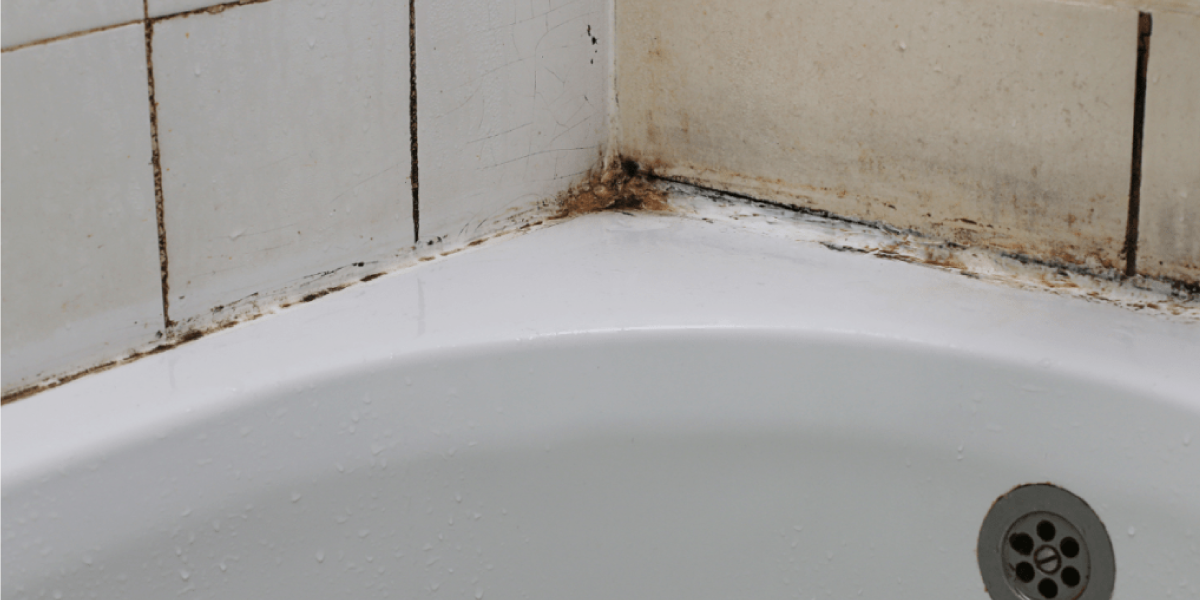
The shower is a prime location for mold to grow, as it contains the highest level of moisture in the house. And since the shower caulking is a part of the shower, it is equally susceptible to mold growth. Knowing how to remove mold from shower caulking is essential for maintaining a clean and healthy bathroom. You can use undiluted white vinegar, 3% hydrogen peroxide, or a baking soda paste to get rid of the mold effectively.

Shower caulking is usually porous, which is why the mold that grows on it can be pretty hard to remove. The mold grows deep into these pores. The mold is not only harmful to the human body, but also looks very bad. So, it is a must to remove them as soon as possible.

Now, let’s find out how to remove mold from shower caulking. 


How to remove mold from caulk in the shower

How to remove mold from caulk in the shower

Although the primary job of shower caulking is to prevent mold from entering the walls of the shower, it can also become prone to mold growth. This happens due to it being in constant moist conditions, and mold can easily grow on it. 


Here is how to remove mold from caulking in the shower.


How to remove mold from caulk with white vinegar or hydrogen peroxide 

How to remove mold from caulk with white vinegar or hydrogen peroxide 

White vinegar and hydrogen peroxide are excellent killers of mold. Here is how to use them to clean moldy caulk.


  1. First, wear safety gear, such as safety goggles, a mask, and gloves. Because mold can be pretty dangerous when it gets into the respiratory system of animals and, of course, humans. 
  2. Next, pour undiluted white vinegar or a 3% solution of hydrogen peroxide into a spray bottle. Then, use the bottle to spray a generous amount of the vinegar or peroxide onto the moldy area.
  3. If you are using white vinegar, let it sit for around a couple of hours. On the other hand, for hydrogen peroxide, you won’t have to wait as much time. All you need to do is wait around 15 minutes, and then you can proceed to the next step.
  4. Now, instead of using a soft-bristle toothbrush like the shower surface, use a stiff brush to brush the caulking. You can also use a grout brush to do so. You might have to repeat the process if there is still visible mold.
  5. Once you are satisfied, use a towel to wipe the caulking completely. Make sure to completely dry it off to prevent mold growth.

How to get rid of mold in shower caulk using baking soda

How to get rid of mold in shower caulk using baking soda

Baking soda is another excellent mold killer. Here is how you can remove mold from caulk using it.


  1. Make a paste using baking soda and a small amount of white vinegar or water. Both water and white vinegar are almost perfect substitutes for each other in this case.
  2. Apply a thick coating of the paste onto the moldy caulking. 
  3. Make sure the paste can work its way into the pores of the caulking. Usually it takes about 10/15 minutes. 
  4. Now, use a stiff toothbrush or grout brush and properly scrub the caulking using it. Ensure the paste is scrubbed off. Now rinse the area with water until it runs clear.
  5. Use paper towels or regular towels to dry the caulking off.


What happens if I can’t remove the mold caulking

Sometimes the mold can be too stubborn by growing too deep into the caulking. In these cases, no matter what you do, the mold doesn’t come off. If this is the case, then you have to remove the entire caulking. Use a sharp utility knife to remove the caulking and install a new one in its place. 


How to prevent shower caulking mold

How to prevent shower caulking mold

Although it isn’t too difficult to remove mold from shower caulking, it is better to take preventive measures to prevent mold growth. This way, you can save a lot of effort, money, and of course, time. Here are some preventive steps for mold growth in shower caulking.


  • Installing a mold-resistant silicone caulking
  • Both during and after showering, use a bathroom fan and/or open the bathroom windows for proper ventilation and to allow the moisture to escape.
  • After showering, wipe the caulking and the shower dry with a towel.
  • Weekly, spray vinegar on the caulking.


Conclusion 

The role of caulking in preventing mold from growing into the shower walls is immense. But the caulking itself can turn into a safe haven for mold and mildew to thrive. The knowledge of how to remove mold from shower caulking can be the difference between a healthy household and a sick one. If you don’t want to deal with disgusting mold, you can always count on a professional mold removal service. 


FAQ

1. How do you get black mold off shower caulking?

Black mold is one of, if not the most stubborn, of the molds growing in the shower. If you have black mold growing on your caulking, you might need to replace the entire caulking. First, assess the situation. If the mold is shallow, you only need to clean it. But if the mold has grown very deep, it is best to replace the caulking.


2. How do you get mold out of silicone caulking?

These are the ways to get mold out of silicone caulking. They are


  1. Baking soda paste
  2. White vinegar or Hydrogen Peroxide
  3. Replacing the silicone caulking


3. Why is the silicone in my shower turning black?

If you see the silicone caulking in your shower turning black, it might be because black mold is growing on your caulking. This might happen because


  1. There isn’t enough ventilation in the shower
  2. There is too much moisture in your shower
  3. Organic residue from soap and body oils
  4. Old and porous caulking
  5. Not enough mold-resistant materials.


Posted on: June 30, 2025

4 Steps on How to Remove Mold From the Leather


If you see mold on leather, take it outside first so it doesn’t spread in your home. Then, gently wipe off any loose mold, then clean it using one of these methods: alcohol and water, white vinegar mix, or mild soapy water. After cleaning, let it dry naturally and use leather conditioner to keep it soft. Don’t use heat, and if the mold is deep or keeps coming back, it’s better to call a pro.


Hey, has this happened to you? You pull out your leather jacket or bag, and suddenly you see weird white or black spots all over it. Or maybe it’s your shoes or sofa that’s been sitting in a dark place for too long. Yup, that’s mold. And it shows up when leather doesn’t get fresh air or stays in a damp space.


So, how to remove mold from leather? Here’s the brief for you: To remove mold from the leather, you have to wipe it off using alcohol, vinegar, or gentle soap, then dry it well and condition it. But here’s the thing. Not all mold is the same. 


Some need a simple clean-up, and some might need expert help. Stay with us, and we’ll show you the easiest and safest ways of how to treat mold on leather and stop it from coming back.

What is Mold on Leather?

What is Mold on Leather

Mold is a type of fungus that grows in places where it’s dark, damp, and doesn’t get much fresh air. Leather is a natural material and absorbs moisture. That’s why leather items are at risk when stored in closets, basements, or unused boxes.


There are two common types of mold you might see on leather:


Type of Mold What It Looks Like Common Places Found
White Mold Powdery or dusty white spots Leather shoes, belts, stored jackets
Black Mold Dark greenish-black patches Inside leather bags, old sofas


Both are bad for leather, and they can even affect your health if ignored.


Not all mold looks the same. So, learn the difference between white mold and black mold so you know what you’re dealing with.


Signs You Have Mold on Leather

Here are simple signs to spot mold:


  • White or black fuzzy spots on the surface


  • Musty, damp smell


  • Leather feels sticky or damp


  • You haven’t used the item in a while.

Things You’ll Need Regarding How to Clean Mold From the Leather

Before you start learning how to clean mold off the leather, gather these:


Item Why You Need It
Soft cloth or sponge For wiping and cleaning
Rubbing alcohol (isopropyl) Kills mold spores
White vinegar Natural mold remover
Mild soap or leather cleaner Cleans dirt without harming leather
Water To mix with other solutions
Leather conditioner Keeps leather soft and protected after
Gloves and mask Protects your hands and lungs

Step-by-Step Ways of How to Remove Mold From the Leather

Let’s show you in detail how to get mold off the leather properly.


Step 1: Take the Leather Outside

Take the Leather Outside

First, if you can, take the leather item outside before doing anything else. This is important because mold gives off tiny particles, which are called spores, that can float in the air. 


If you clean it inside your home, these spores might spread to other furniture, walls, or even get into the air you breathe. Taking the leather outside helps keep your home mold-free and gives you fresh air to work in.


Step 2: Wipe Off Loose Mold

Wipe Off Loose Mold

Next, grab a soft, dry cloth and gently wipe the leather surface. You’ll probably see white powdery spots or black patches, and your goal is to remove as much of this loose mold as possible before using any cleaner. 


Don’t rub too hard, because scrubbing can damage the surface or remove the leather’s natural shine. Just gently wipe to get rid of what’s sitting on top.


Step 3: Choose a Cleaning Method

Choose a Cleaning Method

Now that the loose mold is gone, it’s time to clean the leather properly. There are three safe ways to do this. You don’t need fancy chemicals. Just use one of these simple home methods, depending on what you have and how bad the mold is.


Method 1: Alcohol and Water Solution

In a small bowl, first, mix equal parts rubbing alcohol and water. This means if you use one cup of alcohol, use one cup of water too. Dip a soft cloth into the above mix and squeeze out the extra liquid so it’s damp, not dripping. 


Gently wipe the moldy areas with this cloth, going over every spot that looks affected. Alcohol helps kill the mold and clean the leather without harming it.


Once you’re done, leave the leather item outside or in a place with good airflow so it can dry completely on its own. This method works really well for white mold or mold that’s just starting to show.


Method 2: White Vinegar Method

Here’s how you can remove mold from the leather with vinegar. 


First, mix white vinegar and water in equal amounts, just like the alcohol method. Vinegar is great at killing mold and also helps get rid of the musty smell that mold leaves behind. 


Dip a clean cloth into the mixture, wring it out, and then gently wipe down all the moldy spots on the leather. Be sure to cover every area where mold might be hiding.  


After wiping, leave the leather to dry naturally in fresh air. This method works well for both white mold and black mold, and it’s a good choice if the smell is strong.


Method 3: Mild Soap and Water

Take a small bowl of water and add a few drops of mild soap, like baby soap or hand soap. Stir it until you see some bubbles. Soak a soft cloth in the soapy water, squeeze out the extra water, and gently wipe the leather surface. 


This method is helpful if the mold isn’t too deep and the leather just needs a general cleaning. After wiping, use a clean, dry cloth to remove any leftover soap and moisture. 


Then let the leather dry in a well-ventilated area, away from direct heat or sunlight.


Step 4: After-Cleaning, Don’t Forget These!

After-Cleaning

  • Apply Leather Conditioner:


Once the leather has dried fully, the last step is to use a leather conditioner. Mold and cleaning can sometimes make leather dry or stiff, so conditioner helps restore its softness and keeps it from cracking. 


Just apply a small amount using a clean cloth, rub it in gently, and let it soak in. This also protects the leather from future mold and keeps it looking fresh.


  • Dry in Fresh Air:


When you’re done, always let the leather dry in the open air. Never use a hair dryer, heater, or place it under the sun directly because too much heat can damage the leather or make it shrink. A cool, shaded spot with good airflow is the best place to let it dry slowly and safely.

When Should You Call a Professional to Get Mold out of the Leather?

Call in the professional

Sometimes it’s best not to do it yourself. You should ask for expert help if:


Situation Why You Need a Pro
The mold has spread deep inside You can’t reach it without damaging the item
Expensive leather, like designer bags Avoid the risk of ruining expensive leather
Black mold with a strong odor Can be dangerous to your health
Mold keeps coming back again and again May be a bigger moisture or storage problem


At SOS Restoration, we’re here to help you anytime you face problems like mold, water damage, or fire damage in your home. We work 24/7 across Southern California and have a friendly, trained team that knows exactly what to do in an emergency. 


If your home has mold or has been damaged by water or fire, we’ll come quickly, check everything, fix the issue, and even help with the insurance part. Our prices are fair, and we’re always honest with you from start to finish. 


Call us now at 888-538-4280 for a free inspection or just to ask a question. We’re happy to help!

Prevention Tips: How to Keep Mold Away

If you want to keep mold away from your leather stuff, there are a few simple things you can do that really help. 


First, always store your leather in dry places because mold loves moisture. You can also put those little silica gel packets in storage boxes since they soak up extra moisture. 


Try using breathable cloth bags instead of plastic ones so air can move around and things don’t get damp. Every now and then, take your leather items out and air them out to keep them fresh and dry. 


And don’t forget to clean and condition your leather every three to six months to stop dirt and moisture from building up. These small steps can make a big difference in keeping mold away.


Also, if your leather item got wet recently, it’s smart to check for mold after water damage so you can catch it early.

Wrapping Up: Don’t Panic, Just Clean Smart

That’s all about how to remove mold from the leather. Mold on leather is not the end of the world. If you act fast, you can save your favorite leather items and make them look fresh again. Use the method that fits your situation best, and if things get too tricky, it’s perfectly okay to call for professional help.


Keep your leather dry, clean, and well-conditioned, and mold won’t stand a chance.


FAQs

  • How to clean mildew from leather? 

    Just wipe off the mildew with a soft cloth, then use a little vinegar mixed with water to clean it and let it dry.

  • How to remove mold from a leather jacket? 

    Brush off the mold gently, then clean it with a mix of vinegar and water. Let it dry well and condition the leather after.

  • What kills mold on leather? 

    White vinegar mixed with water works well to kill mold. Just wipe it on gently and dry the leather properly after.

  • Can moldy leather be saved? 

    Yes, as long as the mold hasn’t eaten through it, you can clean it and bring it back to life with some care.

  • Does vinegar kill mold in leather? 

    Yes, vinegar helps kill mold without hurting the leather. Just mix it with water, wipe it on, and dry it well.

  • Is mold on leather toxic? 

    It can be, especially if you breathe it in. Always clean it carefully, and wear gloves or a mask if needed.

  • How to remove mold from a leather sofa? 

    Wipe off the mold with a cloth, clean the area using vinegar and water, let it dry completely, and condition it afterward.

  • How to remove mold from leather shoes? 

    Gently brush the mold off, wipe them with a vinegar-water mix, let them dry fully, and then condition or polish them.

  • How to remove mold from leather car seats? 

    Wipe off the mold, clean the seats using vinegar and water, leave the windows open to dry them out, and use conditioner later.

  • How to remove mold from a leather purse? 

    Brush off the mold gently, clean it with a vinegar-water mix, dry it completely, and store it somewhere dry and airy.

Posted on: June 23, 2025

How to remove mold from drywall

Drywall is one of the most common places for fungal growth. Humid conditions are the main reason for these fungi to grow in the drywall. You might wonder how to remove mold from drywall. Depending on whether the drywall is porous or painted, there are several methods for removing mold from it. You can use either dish soap or white vinegar if the drywall is smooth. On the other hand, you will have to remove the affected area of the drywall.


Molds are a type of fungi that thrive in humid areas, like most other fungi. Your drywall might have mold growing on it due to leaky water lines, humid conditions inside the home, or condensation. This can cause asthma, increased fatigue, and allergic reactions. Which is why it is a must to know how to remove mold from drywall. 


Let’s take a look at the mold removal process from drywall. 


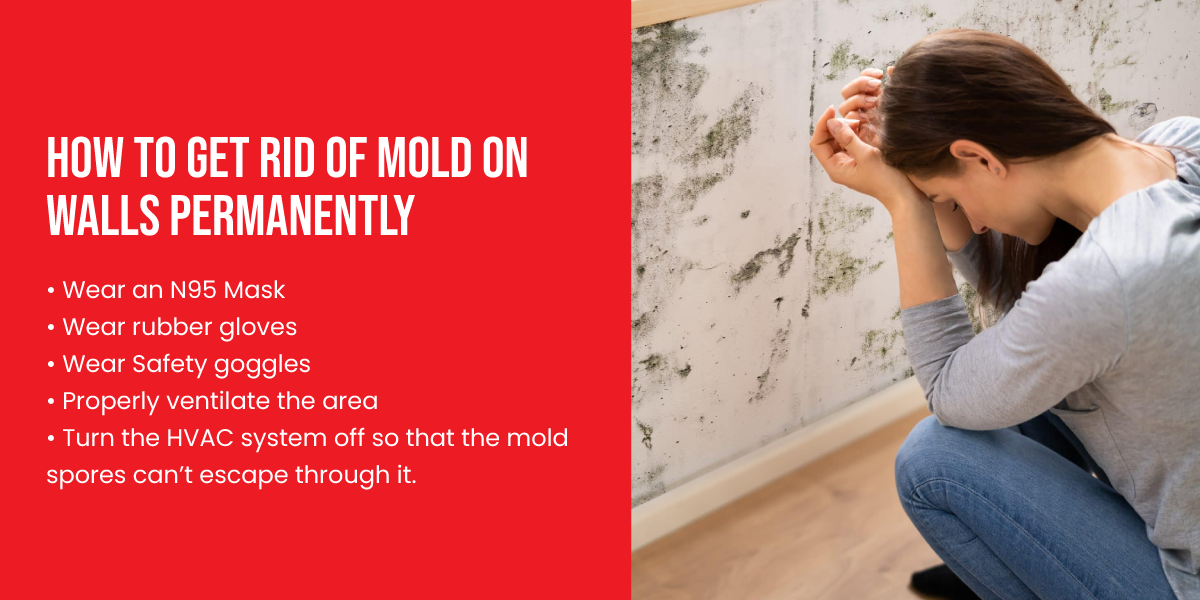
How to get rid of mold on walls permanently

How to get rid of mold on walls permanently

There are quite a few ways to kill mold on drywall, depending on the type of wall. But for all of these mold removal procedures, you have to follow a few precautionary steps. These are:


  • Wear an N95 Mask
  • Wear rubber gloves
  • Wear Safety goggles
  • Properly ventilate the area
  • Turn the HVAC system off so that the mold spores can’t escape through it.


Let’s have a look at all of the ways of treating mold on drywall.


How to clean up mold on drywall: Painted

How to clean up mold on drywall

If you have mold on your painted drywall, you don’t have to worry that much. This is because mold can’t penetrate much into painted and sealed drywall. You will only need the following materials to clean this type of mold:


  • Dish Soap/Detergent or White Vinegar
  • Spray Bottle
  • Scrub Brush
  • Towels or soft cloths
  • 3% Hydrogen peroxide solution (Not mandatory)


Now, here are the steps to remove mold on walls


  1. First, you need equal parts water with equal parts white vinegar. If you are using detergent or dish soap, then use a tablespoon of it in a quart of warm water. 
  2. After pouring the solution into the spray bottle, you now need to spray it all over the affected area. 
  3. Let the cleaning solution wait for about 15 minutes. 
  4. Now, use a scrub brush to properly brush the area.
  5. Clean the water with a towel or a clean cloth.
  6. If you want to disinfect the cleaned area, then use a 3% solution of Hydrogen peroxide, and then wipe everything with the towel. 


How to clean up mold on drywall: Non-Sealed

How to clean up mold on drywall

If your drywall is not painted, then you have a problem on your hands with mold. The mold can grow deep into the drywall by getting into the pores. In this case, you will need the following: 


  • A utility knife
  • A tape and a plastic sheet
  • HEPA vacuum
  • A mold-resistant drywall
  • Screws, mud and paint


Here is a step-by-step guide to removing mold on porous drywall:


  1. Use the plastic sheet to isolate the area.
  2. Mark the mold-affected area. Then cut about 12 inches beyond the area where mold is visible.
  3. Put the moldy drywall in a tight plastic bag and dispose of it carefully.
  4. Clean the area around the removed drywall.
  5. Now, use white vinegar, hydrogen peroxide, or industrial mold removers to clean the framing around the previously moldy area.
  6. Use a dehumidifier to completely dry off the area. You can also use a fan to do so, although it will take more time.
  7. Install the new drywall, seal it, and then paint the wall with a mold-resistant paint. 


Option 3: Call in the professional

Call in the professional

Now, if the mold seems manageable, you can manage removing it and restoring the drywall by yourself. But, if you are too late noticing the mold, and it has spread on an area more than 10 square feet, then it is best to call professional mold cleaning services. These services have the means, tools, and expertise to get rid of black mold on drywall.


How to prevent mold on Sheetrock

It is better to prevent mold from growing on drywall instead of going through the hassle of removing it, especially if the infestation is on a large scale. Here are a few tips to prevent mold growth on drywall. 


  1. Install a dehumidifier in your house. Mold can not grow in conditions having less than 50% humidity. 
  2. Look out for leaks and fix them as soon as possible. Also, improve the ventilation in your home, especially in your bathroom and kitchen.
  3. Paint the wall with mold and water-resistant paint and primer.
  4. Clean any spills as soon as possible. 


Finally….

Mold, or black mold in particular, is extremely harmful to health. Not only that, once it grows deep, it is very tough to get rid of it. So, know how to remove mold from drywall, and lead a clean, healthy, and hygienic life. 


FAQ

1. What kills mold on drywall?

As far as drywall mold killers go, you have a lot of options that work in varying degrees. First, you have white vinegar, which is a well-known mold killer. Then you have hydrogen peroxide, which is another excellent mold killer. Next, you have baking soda, which is great for surface-level mold. Finally, you have commercial mold cleaners that are used on a more widespread basis.


2. Can drywall with mold be saved?

Yes, a moldy drywall can be saved. It all depends on what type of wall you have and how deep the mold has grown. If the wall is painted, then you don’t have to even put a scratch on the wall. On the other hand, for porous walls, you need to remove a small part of the wall. But if the mold has grown on the entire wall, then you might have to remove all of it. 


3. Can I remove moldy drywall myself?

Of course, you can remove the moldy drywall yourself. It is very easy to remove and repair a moldy drywall. All you need are the right tools and a bit of elbow grease to remove the moldy drywall. But if you are not feeling comfortable, you can always count on professionals to do it for you. 


4. Is vinegar or bleach better for mold on drywall?

Although bleach is a pretty great mold killer, they are not suitable for drywall, and certainly not better than vinegar. While vinegar kills both surface-level and deep-rooted mold, bleach can not penetrate the pores of the wall. On top of that, it damages the drywall itself, making it counterproductive to use. Finally, bleach is harmful to humans, unlike vinegar. 

Posted on: June 23, 2025

How to get mold out of clothes

Mold is a nuisance wherever it grows, and that includes your clothes. Keeping your clothes in damp conditions for a long time will cause mold to grow on your clothes. To both remain healthy and keep your clothes intact, you must know how to get mold out of clothes. You can use a few things to remove mold from your clothes, such as vinegar, regular soap, sunlight, borax, or even bleach. 


The way of removing mold will depend on a couple of things. First, you should know how old the mold stains are. Second, you must also know if the cleaning agent of your choice suits the fabric of your clothes. Remember, mold is very harmful to both your health and fabric, so you must do everything to remove it as soon as possible. 


Let’s take a look at how you should get rid of mold from your clothes. 


How to remove mold from clothing

How to remove mold from clothing

When you forget to take your clothes out of the washing machine for too long or keep them in damp conditions, mold can grow on them. These molds will then keep spreading the longer the clothes are in the aforementioned condition. Wearing these clothes will not only be harmful to your health, but they will also not look very good on you, aesthetically speaking. 


So, here is how to remove mold stains from clothes. 


1. How to remove mold from clothes using sunlight

How to remove mold from clothes using sunlight

Let’s take a look at the easiest way of removing mold on clothes first: sunlight. Most molds that grow on clothes are quite easy to get rid of. All you need to do is put your clothes in direct sunlight for a few hours, and the mold stains will be gone. Then finish up by removing the remaining mold stains with a brush. 


But keep the fabric of your clothes in mind when keeping them in sunlight for a prolonged period. This is because not all types of clothes can tolerate the same level of sunlight. While a white cotton shirt will be just fine, a shirt made of nylon will not fare the same. 


2. How to get rid of mold on clothes with vinegar

How to get rid of mold on clothes with vinegar

Vinegar, especially white vinegar, is a very good, bordering on universal, mold cleaner. No matter what the surface is, vinegar will remove mold like it never existed. You can apply vinegar to remove mold in a few ways. First, you can directly apply the vinegar onto the mold-affected area. Second, you can pre-soak your clothes by mixing a cup of vinegar with a bucket of water. You can even add vinegar to the washing machine before you wash your clothes.


3. How to remove mold smell from clothes with regular soap

How to remove mold smell from clothes with regular soap

As important as it is to remove mold stains from clothes, it is equally important to remove the smell of mold from them. In this case, using regular bar soap might be your best option. You can remove mold from fabric by washing your clothes with any bar of household soap thoroughly and then drying them off either in the sun or the dryer. 


4.How to remove black mold from clothes using bleach

How to remove black mold from clothes using bleach

Sometimes the mold in your clothes isn’t easy to remove. This is when you need to bring out the big guns. Bleach is one such cleaning agent that can get rid of even black mold, one of the toughest of all molds. But there are some downsides to using bleach on clothes. Bleach can fade the color of your fabric, so only use bleach on white or light colored clothes. 


Pre-soak clothes in a diluted solution of bleach, wearing a rubber glove. You can also rub the bleach directly onto the moldy area, depending on what the situation requires. Then you should wash it off properly so that both the mold and the bleach are washed off. 


5. How to wash moldy clothes with Borax

How to wash moldy clothes with Borax

Borax is another good cleaning agent for tough-to-clean mold stains. It is also very soluble in water, so there is no worry of having to wash off the residue. Mix half a cup of borax powder into a bucket of warm water. Then wash your clothes with the solution and dry them off. You will notice the mold is gone. 


Finding the Right Professional

Choosing the right person or company can make a big difference, so take a moment to check a few important things before you book someone.


  • Check Reviews and Licenses: Make sure the professional is fully licensed and has good reviews from other customers. This shows they are experienced and trustworthy.
  • Ask About Emergency Services: Not all companies are available after hours. If the leak happens at night or on the weekend, you’ll need someone who offers 24/7 emergency service.
  • Get Multiple Quotes: Don’t go with the first option you find. Ask a few companies for quotes so you can compare prices and see who offers the best value.
  • Look for Leak Detection Services: Some companies have special tools to find hidden leaks inside walls or ceilings. These experts can save time and avoid extra damage.


Final Words

Removing mold from clothes is very important for your health and hygiene. Knowing how to remove mold from clothes will save you from diseases such as asthma while also prolonging the lifespan of your clothes. In addition, your looks will also not be harmed by wearing mold-free clothes. 


FAQ

1. How to get mold out of clothes with baking soda?

Baking soda is a very good mold remover. But it can not be used on clothes alone to remove mold from clothes. The clothes must first be soaked in a white vinegar solution. Then, rub baking soda onto the mold stains. After you rub the stains for a few minutes, you will notice the mold is starting to disappear. Once all the mold is gone, wash the clothes normally and dry them off. 


2.How to get mold out of clothes without bleach?

Although bleach is a very good mold remover, it can not be used on all types of clothes. Using bleach on dark colored clothes will result in the color fading, and in some instances, the fabric itself being harmed. So, you will need other alternatives to bleach to remove mold from clothes. 


Here are a few ways you can remove mold from clothes other than bleach.


  1. Baking soda and Vinegar
  2. Only Vinegar
  3. Sunlight
  4. Regular washing soap
  5. Borax (either powder or the solution)


3. Can mold be washed out of clothes?

Yes, of course, mold can be washed out of clothes. You need to have the right type of soap for your fabric to wash the mold from it. Then wash them manually or using your washing machine with said soap, and you will have mold-free clothes.


4. Can clothes be saved after mold?

More often than not, clothes can absolutely be saved after mold. If you use any mold-removing agent that suits your fabric, your clothes can be saved despite having stubborn mold, like black mold. But sometimes the clothes might be unsavable if they have been moldy for a very long time. Mold can affect the fabric so much that even after cleaning it, the clothes become unusable.


5. Should you throw out moldy clothes

The first response to seeing moldy clothes is to throw them out, especially if you are a germaphobe. But most of the time, these clothes can be saved by washing with a proper mold cleaning agent. So, before you throw the mold-infested clothes out, try to wash them first and see if they can be worn again.