Water Damage Restoration Cost in 2025: What You Must Know

Water damage restoration cost is something most people never think about until a leak, burst pipe, or flood hits home. In 2025, the average price in the U.S. is about $3,838, with most jobs ranging from $1,381 to $6,350. Small fixes can be around $450, while major disasters can run past $16,000.


If water gets into your walls, floors, or basement, time is your biggest enemy. The longer it sits, the more it spreads, and the higher the bill climbs. The cost changes based on the type of water, the place it hits, and how much damage it causes.


That’s why in the next few minutes, we’ll walk you through exactly what drives the cost of water damage restoration up or down, how to figure out a fair estimate, and ways to save money without cutting corners.

Average Water Damage Restoration Cost in 2025

Average Water Damage Restoration Cost in 2025

Nationwide, the average cost of water damage restoration is $3,838, but depending on the situation, you could spend anywhere from $450 to $16,000.


Here’s the national pricing overview:


Cost Level Price Range Typical Scenario
Low End $450 Minor leak, small area
Normal Range $1,381 – $6,350 Moderate water damage
High End $16,000+ Severe flooding, black water cleanup


So, now, you might think, “Why the big range?” Because repairing a bathroom leak is completely different from restoring an entire basement after a sewage backup.


**All types of prices are sourced from Angi.


Cost of Water Damage Restoration Per Square Foot

You’ll generally spend $3 to $7.50 per square foot for water damage restoration in 2025.


The per-square-foot rate depends on the water type:


Water Type Average Cost per Sq. Ft.
Clean Water $3.50
Gray Water $5.25
Black Water $7.50


Black water is the most expensive to clean because it’s contaminated with harmful bacteria, sewage, or chemicals, and it needs more safety measures.


Water Damage Restoration Costs by Repair Type

Different parts of the home have different restoration costs. Roofs, floors, walls, plumbing, and appliances all vary in price.


Here’s the breakdown:


Type of Repair Cost Range
Roof $400 – $2,000
Ceiling $450 – $1,600
Appliance $175 – $500
Basement $500 – $2,800
Drywall $300 – $850
Flooring $200 – $3,000
Bathroom Fixture $140 – $800
Plumbing $350 – $4,000
Mold Removal $1,200 – $3,800


We’ll go deeper into each of these in the next sections.


Roof Repair Costs After Water Damage

Fixing water-damaged roofs averages around $1,100 but can range from $400 to $2,000.


Common causes include missing shingles, damaged flashing, and flat roof drainage issues. Costs depend on how much of the roof is affected and whether you need patching or full replacement in that area.


Ceiling Repair Costs

Repairing a water-damaged ceiling costs $450 to $1,600.


Brown stains, sagging spots, or cracks usually mean water has been seeping in for a while. A handyman might charge around $75 per hour for patching, while severe cases may require full replacement.


Appliance Water Damage Repair Costs

Fixing water-damaged appliances costs $175 to $500 per unit.


Sometimes, replacing the appliance is more cost-effective, especially if water has damaged electrical components.


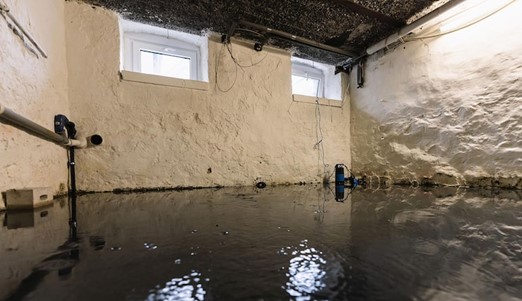
Basement Water Damage Restoration

Basement cleanup costs $500 to $2,800, depending on water depth and contamination level.


  • Clean water from a burst pipe = lower cost.


  • Sewage backup or floodwater = much higher cost.


The EPA warns that contaminated floodwater can cause serious health issues and requires special handling.


Drywall Repair Costs

Fixing water-damaged drywall costs $300 to $850 (average $550).


Drywall soaks up water fast and can crumble, so replacing it quickly prevents mold and wall damage.


Flooring Repair Costs

Floor repairs cost $200 to $3,000, depending on the material.


  • Hardwood: can survive short exposure, but costs vary.


  • Tile: usually easy to dry.


  • Carpet: needs quick drying to prevent mold.


  • Vinyl/Laminate: may trap water under the surface.


Bathroom Fixture Repair Costs

Small bathroom fixture repairs cost as little as $140, while bigger repairs can reach $800.


Fixture Type Cost Range
Leaky Pipe $150 – $350
Toilet $140 – $400
Bathtub/Shower $200 – $800
Drains Around $200


Burst Pipe and Plumbing Repair Costs

Repairing a burst pipe and related water damage costs $1,000 to $4,000. Replacing plumbing lines costs $350 to $2,000, depending on size and parts. Here, regular inspections can help prevent costly pipe bursts.


Mold Removal Costs

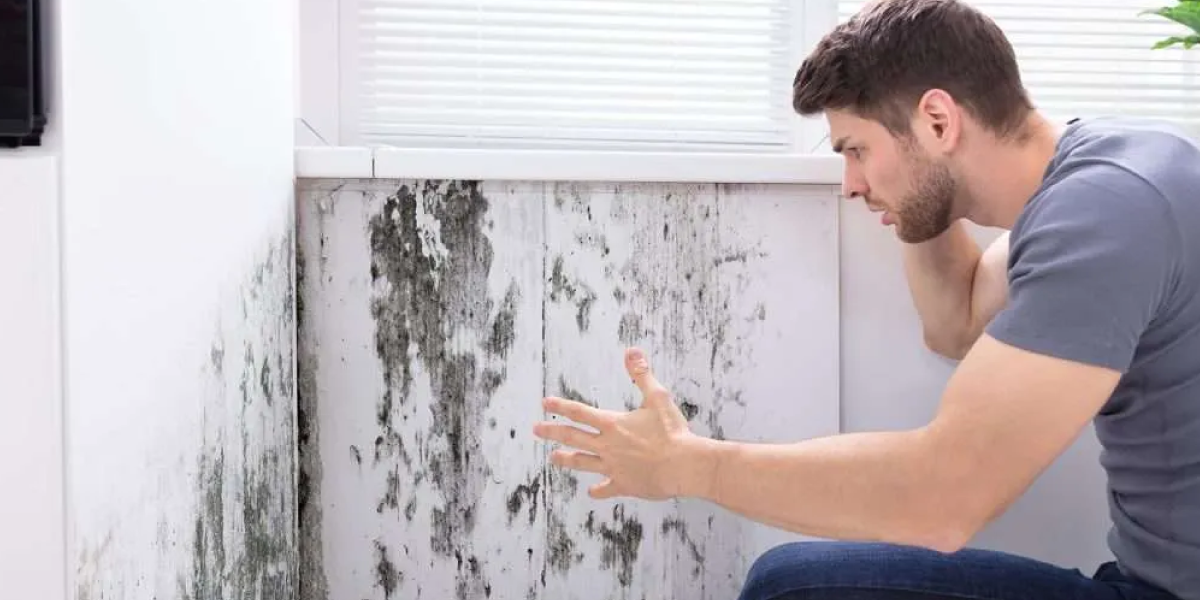
Mold removal averages $2,225, but can be $1,200 to $3,800 depending on severity. Mold can start growing within 24–48 hours after water damage, so quick action is a super important factor here.


Here’s a simple way to check for mold after water damage to keep your home safe.

Factors That Affect Water Damage Restoration Costs


Costs of water damage restoration depend on size, water type, severity, location, and time since the incident.


1. Size of the Damage Area

Larger areas = higher total costs, even if the per-square-foot price is the same.


2. Type of Water


  • Clean water is the cheapest to fix.


  • Black water requires heavy safety measures and specialized disposal.


3. Severity of Damage (Classes)


Class Description Cost Impact
1 Minimal damage, small leak Low
2 Entire room affected Medium
3 Walls, ceilings, and floors saturated High
4 Long-term water in structural materials Very High


Water damage can come in different forms. Learn about the main categories of water damage so you know what you’re dealing with.

Water Damage Restoration Cost in Los Angeles, CA

Water Damage Restoration Cost in Los Angeles

If you live in Los Angeles, water damage restoration can range from $1,461 to $5,144, with an average cost of around $3,268. Local labor, supply costs, and how busy restoration crews are can affect the price.


Ventura County tends to be a bit higher, especially if water removal is needed. Services there can average $3,000 to $10,000, depending on the damage severity. 


Other nearby California cities show slightly different prices. 


In Orange, the cost ranges from $2,468 to $2,602, averaging about $2,535. Riverside is similar, with prices between $2,317 and $2,443, and an average of around $2,380.


So, as you can see, even within California, where you live makes a big difference in water damage restoration cost.

DIY vs Hiring a Pro

DIY vs Hiring a Pro

If the water damage is small and caused by clean water, you can usually fix it yourself with the right tools and care. But if it’s from dirty or contaminated water, it’s always better to call a professional


They know how to clean it safely, check for hidden problems, and stop future damage. Plus, some insurance companies only cover the cost if a pro handles the cleanup.

Preventative Measures and Costs of Water Damage Restoration

Preventing water damage is always cheaper than fixing the mess later. 


For example, just getting a simple plumbing check can cost around 100 to 200 dollars. If you want a more detailed look, like using a camera to inspect pipes, that might be between 300 and 1,375 dollars. 


Installing a sump pump, which helps keep water out, usually costs about 1,200 dollars. Even small things like pipe insulation can be done for 50 to 200 dollars, and putting water leak sensors around your home costs about 50 to 300 dollars. 


So, taking these steps early can save you a lot of trouble and money down the road.


Also, when fixing your home, it’s good to know the common water damage restoration mistakes to avoid extra problems.

Wrapping Up

So, when it comes to water damage restoration cost, it’s good to know what to expect and be ready. Fixing water damage can get expensive, but if you act fast and take some simple steps to prevent problems, you can save a lot. Just keep an eye on things and don’t wait too long. That way, you won’t have to spend more than you need to.


FAQs

  • How much does it usually cost to fix water damage?

    Fixing water damage usually costs between $1,381 and $6,350, but small repairs can be around $450 and big jobs much more.

  • How much does it cost to get water restoration certified?

    Getting water restoration certified with the IICRC usually costs between $505 and $579. This price covers the Water Damage Restoration Technician course and the exam fee.

  • Why is water damage so expensive?

    Water damage is costly because it can cause hidden problems like mold and structural damage, which need special tools and expert work to fix.

  • Water damage restoration cost in LA?

    In LA, water damage restoration costs are similar to the national average, usually between $1,500 and $7,000, depending on damage size.

  • What is the cheapest water damage repair?

    Fixing a leaky toilet or drain costs much less than repairing walls, floors, or basements. Early detection is key to keeping costs low.

  • Can I clean up water damage myself?

    Only if it’s small and from clean water. Minor spills from clean water can be dried with fans and dehumidifiers. But if water is dirty, widespread, or soaked into walls and floors, call a pro to avoid mold and structural damage.

  • Does homeowners insurance cover water damage restoration?

    Sometimes, but not always. Insurance usually covers sudden water damage (like burst pipes) but not gradual leaks or neglect. Always check your policy before starting repairs.

    If you rent your home, you might wonder, “Does renters insurance cover water damage?” Find out what it usually includes.

  • How fast should I act after water damage?

    Within 24 hours. Mold can start growing within a day, and structural issues can develop quickly. The faster you act, the lower your repair costs will be.

  • What’s the cost difference between restoring and replacing water-damaged items?

    Restoring is cheaper if damage is minimal; replacing is better for severe damage. Professionals can restore many items like hardwood floors or furniture, but if water has caused deep rot, replacement might be the only safe option.

  • Can water damage affect my home’s value?

    Yes, if it’s not fixed properly. Water damage can weaken your home’s structure and lead to mold, which may reduce resale value. Professional restoration helps protect your investment.


Posted on: August 18, 2025

Showing mold exposure symptoms? Here is what you need to know

Mold is a great nuisance for the inhabitants of a house, as it harms not only their health, but also the aesthetics and, in some cases, the structural integrity of the house. This is why you must be aware of the mold exposure symptoms to identify the root of the issue. The symptoms include various respiratory issues such as asthma, irritated eyes and skin, headache, dizziness, etc. 


Mold is a kind of fungus that can be seen in most houses. They, like all other types of fungi, thrive in moist and humid places, so if a house has a higher moisture level, they are sure to grow there. These fungi are one of the major causes of various respiratory diseases all over the world, and so must be dealt with as soon as possible. This is why it is essential to know the symptoms of mold exposure.


Let’s take a deep dive into the symptoms people have due to mold exposure.


Symptoms of mold exposure

Symptoms of mold exposure

Mold, like almost all other kinds of fungi, reproduces through spores. When the human body comes into contact with these spores, it tends to show various symptoms. Knowing these symptoms will help you identify the mold in your home and get rid of it as soon as possible, especially if you have kids.


Here are the exposure to mold symptoms based on various demographics to help you understand better.


 Mold exposure symptoms in adults

Mold exposure symptoms in adults

Although adults usually have a better immune system than babies, they are not exempt from the effects of mold exposure, especially the neurological symptoms of mold exposure. When exposed to mold, almost every adult in the house starts to show at least some symptoms. Here are some of them.


  • Continuous coughing: Coughing continuously is a very common sign of mold exposure. Mold particles and spores get into the throats of adults and inflame them. As a result, the throat itches, and violent coughing ensues. 
  • Runny Nose: Another sign that an adult has been exposed to mold is they will have a runny nose. This happens when the mold spores enter the nasal cavity of an adult, and the immune system of the body starts to reject it. 
  • Sore throat: When mold spores enter the throat of an adult, coughing is not the only thing they suffer from. Most adults also show signs of a sore throat. When the throat gets inflamed due to mold particles getting into it, the throat swells up from the inside, which makes swallowing harder and more painful than ever. 
  • Headaches caused by sinus: Some molds can cause fungal sinus infection, which is a long-term mold exposure symptom. When that happens, the sinus suffers from inflammation. This also causes allergic reactions and sometimes a severe headache.


Mold exposure symptoms in kids

Mold exposure symptoms in kids

Kids are the most vulnerable when it comes to mold exposure and related illnesses. They typically have a very weak immune system compared to that of adults, and hence, they suffer the most when exposed to mold. Here are the mold exposure symptoms in babies you need to watch out for.


  • Sneezing fit: When the mold spores get into the respiratory system of children, their immune system starts working overtime. As a result of the rejection process of the body, they start to sneeze frequently, which is one of the common symptoms of black mold exposure. Due to the weaker nature of their immune system, the sneezing often turns into a sneezing fit. 
  • Bronchitis and Pneumonia: Mold-like fungi are one of the main reasons for children to suffer from two of the most deadly diseases, bronchitis and pneumonia. Both of these mold exposure symptoms in toddlers are caused when mold spores are inhaled by them in large amounts, and these particles get into the respiratory system. Then they travel down to the bronchi and lungs, which causes children to suffer from these aforementioned diseases. 
  • Red, itchy, watery eyes: Apart from the respiratory system, children’s eyes are also very vulnerable to mold exposure. As the mold enters their eyes, they are inflamed and start to itch and get red. Additionally, as the eyes start to reject the mold spores and are inflamed, they start to water up due to long-term exposure to black mold symptoms. 


Mold exposure symptoms in dogs

Mold exposure symptoms in dogs

Not even your dogs are safe from exposure to mold and mildew. And sometimes their exposure symptoms go unnoticed and untreated, which can even turn fatal in some cases. Here are those symptoms you have to look out for.


  • Labored Breathing: When mold particles get into any respiratory system, be it animal or human, it creates some issues. When your dog’s respiratory system is attacked by mold particles, its breathing becomes incredibly labored, and it also starts wheezing as a result. This is because the respiratory system gets inflamed and swollen, which makes breathing a lot tougher. 
  • Nasal Discharge: Another clear sign that your dog is exposed to mold is continuous nasal discharge. This discharge is not natural and can have various colors, such as yellow, blood red, or sometimes even clear.
  • Unnatural scratching and licking: When mold spores are trapped in the fur of the dogs, they start to take root in there. When that happens, the skin starts to get itchy and irritated. Then your pet starts to scratch and lick the area excessively, which causes hair to fall out in patches in and around that area. 
  • Diarrhoea and loss of appetite: Mold can affect the digestive system of your dog, too. As a result of that, the animal will suffer from a lack of appetite and diarrhoea. This can turn fatal if not treated as soon as possible. 


How to prevent mold exposure

How to prevent mold exposure

Now that you know what toxic mold exposure symptoms people start to show in case of mold exposure, you have to know how to prevent the exposure altogether. Here are some steps you have to follow to prevent mold exposure.


  • Controlling moisture: Since moisture and humidity are the main causes for mold and mildew growth, you must ensure that your home’s moisture is well-controlled. Any leaks must be repaired within the first 48 hours. Indoor humidity must be kept under 50%. If needed, use dehumidifiers or exhaust fans. Proper ventilation also goes a long way in this case.
  • Proper maintenance of your home: Apart from moisture control, the proper maintenance of your home goes a long way to prevent mold growth. Always keep your gutters and downspouts clean, which ensures that water does not pool around the foundation of your home. 


Additionally, the landscaping of your home must slope away from it. This allows the rainwater to roll away from your home towards the drainage system or the road. Finally, use proper sealing on your doors and windows to make sure water does not get into the house easily during rainstorms. 


  • Reducing internal sources of mold: There are plenty of internal sources that help mold to grow if left unchecked. For example, your shower is probably the most humid place in your home. If you don’t keep it dry and clean it regularly, it will be a breeding ground for mold. 


When painting the inside of the house, always paint with mold-resistant paints. This also goes when you are installing drywall. Install drywall that is resistant to moisture. Additionally, declutter the area with the most moisture. Clutter can retain moisture, while also keeping the place dark, which is a great condition for the mold to grow. 


Finally, always keep an eye on the HVAC filters of your home. Older filters can not filter out mold particles, and sometimes mold can grow on the filters themselves. So, if your HVAC filters are getting old and worn out, change them as soon as possible.


  • Look out for early signs: One thing about mold exposure is that there is always some kind of sign before everything starts to go sideways. Look out for these signs around your house. One of the first signs of mold growth is a musty smell all around your home. Even if you can’t see the mold, the smell should give it away.


Regularly check hidden spots around your house. Check behind furniture, inside your closets and cabinets, your attic, and crawl spaces, since these are the places mold can grow the most. 


If your house suffers water damage, there is a very big chance it will invite mold to grow within the first 24 hours. So, after water damage, start looking for mold growth signs. Wait 24 hours before looking for old in this particular case, since the fungus takes some time to grow after water damage.


How Long Does It Take to Get Sick from Mold Exposure?

The time it takes for a person to get sick after mold exposure depends on the type of mold and the severity of the exposure. In most cases, the exposure symptoms start to show within 24 hours to a week. But in some cases, black mold exposure symptoms can last for a long time, and they might take even a year to surface.


Can you recover from Mold sickness?

Yes, you can absolutely recover from mold sickness. But the time to recover will depend on how severe the sickness was. It also depends on the overall health of the patient. Mild to medium exposure symptoms start to disappear within weeks of their first arrival. 


On the other hand, if the patient has been in poor health beforehand, or the exposure level was too severe, then it might take a long time before they can fully recover. 


Can mold cause bronchitis?

Mold is one of the main reasons people suffer from Bronchitis. When mold particles get into the bronchi of humans, they cause the area to be irritated and itch. When people keep inhaling these spores, the bronchial lining gets inflamed and swells up. As a result, mucus production increases, and patients suffer from violent coughing and breathing difficulties. 


Is white fuzzy mold on food dangerous?

Your house isn’t the only place mold can grow and harm you. It can also grow on your food. Sometimes you might notice white fuzzy spots on your food and think it’s safe to eat. But these white molds are quite dangerous as they are one of the food mold exposure symptoms.


White mold can not only spoil your food and cause you health issues that way, but it can also cause you various diseases directly. Because of coming into contact with white mold on food, you might suffer from severe allergic reactions. You may also suffer from vomiting, nausea, and even diarrhoea. So, whenever you see white fuzzy mold on your food, throw it away; you can not save it.


Conclusion

Mold, no matter what type it is, is seriously dangerous for any household. It can cost you a lot of money, effort, and even the lives of your family members if not dealt with quickly. So, know the mold exposure symptoms, remove the mold either by yourself or with the help of a professional mold cleaning service like us, and keep your household healthy. 


Posted on: August 18, 2025

How to Deodorize a Flooded Room

When it is flooded, not only do you have to worry about removing the water, but you also have to think about how to deodorize a flooded room as soon as possible. To do that, you first have to remove all the standing water with a wet/dry vacuum, then use baking soda, white vinegar, and hydrogen peroxide to disinfect and deodorize the room. You can also use a dehumidifier, activated charcoal, etc, to keep absorbing the smell.


When your room gets flooded, the water and the related damage are not the only source of your headache. If the water stands in the room for too long, it can cause the room to smell very badly, due to several reasons. The smell is a telltale sign for other things as well, such as germs and mold growth, which is why it is very important to deodorize the room as soon as possible. 


Now, let’s have a look at how you should deodorize your flooded room.


Home Remedies for Odor Removal

How to deodorize a flooded room: All you need to know

The good thing about deodorizing the flooded room is that it is quite easy in most cases, and can be done in the DIY method. Here are the steps you need to follow for the best way to clean a flooded room.

  • Wearing protective gear: Standing water is a haven for germs, harmful insects, mold, etc. This is why you must wear proper protective gear before getting to work. Ensure you wear protective masks, rubber gloves, and goggles. 


  • Removing the standing water: You can not deodorize a flooded room if the water is still in the room itself. So, you must remove all water before the deodorizing begins. If the amount of water is not too much, then you can use a wet and/or dry vacuum to remove it.


On the other hand, if the room is heavily flooded, you need to call in a professional water removal service such as us. You have to make sure there are no hidden pools of water under the floorboards, crawl space, carpet, or any other furniture. 

  • Completely drying off the room: Once you have removed the excessive standing water, you now have to ensure the room is totally dry. Using a dehumidifier is one of the best ways to dry a room. You can also use fans so that the running air can soak up all the moisture from the room. 


Another trick is to open up all the doors and windows of the room. If the humidity outside is less than that in the room, it will dry off more quickly. If you are using a dehumidifier, keep it running for a long time, so that the air is completely free of moisture. 

  • Cleaning and disinfecting all the surfaces: Once the air is dry, the next step is to get rid of all the germs in the air. The best and affordable way to do so is to spray a mixture of white vinegar and water over the surfaces. 


If your room were flooded with sewage water, then the simple vinegar and water spray would not suffice. In this case, you have to use a strong bacterial solution as a disinfectant. If needed, you might also have to use commercial-grade disinfectants.


Finally, carpets, when wet, can be extremely difficult to clean and dry. In that case, you must use a carpet and/or steam cleaner to clean and dry your carpet properly. Otherwise, you might lose the carpet.

  • How to deodorize a flooded room naturally with baking soda: After the room is cleaned and disinfected, it is time to start deodorizing with natural materials. One of the best options you can choose for this is baking soda. Use a generous amount of baking soda all over your rooms, especially on the rugs, carpets, sofas, and upholstery. 


Once sprinkled, ensure not to touch it and let the soda do its work for at least half a day. Waiting for 24 hours is the best, but half a day will also do if you don’t have that much time or don’t want to wait that long to use your room again. After that, thoroughly vacuum the room to remove the baking soda.

  • How to get rid of musty water smell in the house: Sometimes, there is a musty smell that lingers in the house even after using baking soda. This might be because growing mold under the surface. In this case, use 3% hydrogen peroxide directly onto the surface with mold growing on it. 


Apart from that, placing bowls with activated charcoal, baking soda, or other odor absorbers around the house will work wonders to remove the lingering musty smell. 

  • Replacing or deep cleaning damaged items: Sometimes, the drywall, carpets, padding, or insulation can get so wet that they become irreparably damaged. If that is the case, then you have to replace it as soon as possible to get rid of the smell. 


On the other hand, if the carpet or rug is not beyond saving, then deep clean it either by the DIY method, or by hiring a professional deep cleaning service. Ensure the cleaning company has sufficient experience and the tools to deal with such cases.


Final Words

Knowing how to deodorize a flooded room is very important since it allows you to not only save a lot of money, but also ensures you can gauge the situation expertly. If the situation is too severe for you, then you should call on professionals to handle it for you. Otherwise, the natural methods can do wonders for you.


FAQ

1. How Does SOS Restoration Remove Odors?

SOS restoration is exceptionally well-equipped to remove odors from flooded houses. First, they identify the source of the smell and clean the room. Next, they ventilate the room and neutralize the odor using the perfect method for the situation. If needed, they also use specialized tools to remove the odor. Finally, they restore the property to finish up.


2. How do you get rid of the smell after a flood?

After a flood, there are a lot of ways to get rid of the smell. White vinegar, baking soda, hydrogen peroxide, and activated charcoal, along with proper ventilation and moisture removal, are excellent choices for this.


3. How to dehumidify a room after flooding?

After flooding, it is very important to dehumidify the room to both remove the smell and to stop mold and mildew from growing. To do that, you have to run a dehumidifier in the room for a long time, until the humidity levels drop.


4. How to disinfect walls after flooding?

When a room is flooded, the stagnant water can cause germs and insects to fester and cause further damage. To prevent that, a white vinegar and water mixture has to be sprayed on the walls to disinfect them. 


Meta Description: A flooded room can be deodorized by cleaning the water, removing excess moisture, disinfecting the room, using baking soda and activated charcoal. 

Posted on: August 11, 2025

How do you remove mold from a house?​

Mold is extremely dangerous for your health and your home, while being pretty hard to spot and get rid of in some cases. So, how do you remove mold from a house? First, you need protective gear and proper ventilation. Then, using good old elbow grease and baking soda as well as vinegar, you slowly chip away at the fungi growing in your walls, ceilings, and other places. 


Molds are fungi that, like most others of their kind, like damp and warm places to grow. They are seen most commonly in and around your home, and sometimes on your food. These fungi appear on your surfaces as black, white, or sometimes green fuzzy patches and are responsible for a multitude of diseases, including asthma.


Here is how you should get rid of mold from your home.


How to remove black mold and other kinds of mold

How to remove black mold and other kinds of mold

Before starting mold removal, you have to first know how to prepare for cleaning mold. Going unprepared is very dangerous because mold spores can easily spread through the air and can get inside your lungs through your nostrils and mouth. 


So, you must be careful and have the following gear on you while cleaning mold.


  1. Protective gear (N95 masks, Rubber gloves, and even glasses)
  2. White Vinegar/Peroxide
  3. Baking Soda
  4. A Spray Bottle
  5. A Scrub Brush
  6. Soap 
  7. Water
  8. Fan
  9. If you have a mold infestation over a large area, plastic sheets


Now, here is how to clean mold without spreading spores.


  • Wearing Protective Gear: First, you need to ensure you are protecting yourself while cleaning mold from your home. You must wear an N95 or equally safe mask and rubber gloves to prevent mold from getting on your skin or in your mouth and nose.  Next, you should also wear goggles to protect your eyes.


  • Ventilating the house: Once you are done protecting yourself, you must first ventilate the entire house. Open up all the doors and windows of the house, so that when you clean out the mold, its spores can fly out of your house. Fans blowing outward are a great option to have in this case. 


  • Identifying and fixing the source of moisture: Keep one thing in mind at the time of black mold removal, no matter the type of mold you have in your home, all of them grow in moist areas. So, to completely remove mold, you must identify the moisture’s source and immediately fix it. 


There are some common places that have the highest moisture. Leaks in water pipes are the major cause of excessive moisture. Issues with the house’s plumbing are another reason the home keeps getting moist and inviting mold. Lastly, all the houses with poor ventilation are susceptible to mold growth. 


Once these causes are identified, you have to fix them as soon as possible, either by yourself or with the help of a professional service. You can get rid of the excess humidity with the help of a dehumidifier. 


  • Cleaning the mold: Now, on to the part of how to get rid of mold. First, you need to prepare the mold cleaning solution. This part is quite easy, as you can use the tried and trusted materials such as white vinegar or Hydrogen peroxide with baking soda. 


If you are using white vinegar, which is what kills mold the fastest, then sprinkle the undiluted vinegar directly onto the moldy area. For peroxide, use a 3% solution instead of an undiluted one. Finally, for baking soda, mix it with water, and use a scrub brush to brush the moldy area thoroughly. If you use vinegar or Hydrogen Peroxide, wait at least 10-15 minutes before moving onto the next step.


After spraying vinegar and peroxide, use a scrub brush or sponge to properly scrub the entire area. After scrubbing the area, rinse it with water. Finally, dry the area completely so that mold can not come back after removal. Using a dehumidifier can be very rewarding in this case. 


  • Getting professional help: If the mold in your home has spread over a large area, then it might be too much for a DIY mold removal. So, how do you remove mold from a house at home in this case? You contact us, who have years of experience and the tools necessary to handle such a tough job safely and properly. 


How to prevent mold from coming back

How to prevent mold from coming back

It is one thing to clean up the mold in the house, but it’s another thing to prevent it from coming back again. Since it is best to prevent the mold’s comeback than to clean it regularly, here are some tips that will come in handy. 


  • Fix all the leaks as soon as possible.
  • Install exhaust fans in bathrooms and kitchens
  • Use a dehumidifier to keep the humidity below 50% at all times.
  • Always clean up water spills as soon as possible.
  • The areas that have high humidity levels use mold-resistant paint. 


Final Words

Molds are not only a nuisance in your home, but they can also ruin the house’s aesthetics. This is why you have to know how to remove mold from a house quickly and efficiently. Ensure protection for both yourself and the house, and follow the procedure mentioned above the properly remove mold from your home.


FAQ

1. Can mold be completely removed from a house?

Yes, mold can be completely removed from a house. Using the proper methods, all the mold in your home can be removed. But the mold spores will always linger in the air of the home. The growth of mold from these spores can be prevented. 


2. Can a moldy house be saved?

Yes, a moldy house can definitely be saved. All you have to do is ensure the mold is cleaned off and prevent it from coming back. Then you must repair the mold and water damage caused by the mold, to completely return the house to its former glory.


3. What are the signs of mold sickness?

The signs of mold sickness are as follows:


  1. Coughing/Wheezing
  2. Shortness of Breath
  3. Sore Threat
  4. Runny Nose
  5. Regular sinus infection
  6. Asthma


Posted on: August 11, 2025

Transforming Homes and Lives: How SOS Restoration of Ventura County Mastered the Art of Roof Restoration

Every homeowner knows that a sturdy, leak-free roof is crucial for the safety and comfort of their home. But when leaks and deterioration set in, choosing the right company for restoration becomes paramount. In this comprehensive guide, we delve into a real-life scenario where SOS Restoration of Ventura County not only met but exceeded the expectations of a homeowner facing serious roofing challenges. We’ll explore the nuances of their approach, the importance of professional restoration services, and why they come highly recommended.

The Challenge of a Deteriorating Roof

Osman Alberto Ortiz Carrero, a resident of Ventura County, faced significant challenges with his deteriorating roof. Frequent leaks and visible wear had turned his home into a constant worry rather than a sanctuary. The situation demanded not just any solution but a professional, durable fix. This is where SOS Restoration of Ventura County stepped in, following a recommendation from a trusted friend.

Choosing the Right Restoration Company

Finding a reliable restoration company is crucial. The company’s reputation, expertise, and approach to handling roof problems are vital factors to consider. SOS Restoration of Ventura County is a prime example of what homeowners should look for: expertise, responsiveness, and positive customer feedback which are clear indicators of a trustworthy service provider.

The Restoration Process Explained

professional restoration services

The process of roof restoration varies depending on the extent of the damage and the type of roof. For Osman, SOS Restoration conducted a thorough assessment of the damage before commencing work. This stage is crucial as it determines the scope of the restoration needed. The company then used high-quality materials and advanced techniques to ensure the repairs were both effective and lasting.

Customer Satisfaction and Company Response

Osman’s satisfaction with the services provided by SOS Restoration highlights the importance of quality in the restoration business. The company’s prompt and professional response to his needs, coupled with their expert execution of the restoration work, led to a highly satisfied customer who is willing to recommend their services to others.

Why Recommendations Matter

Word-of-mouth recommendations are incredibly powerful, especially in the service industry. They not only reflect the trust and satisfaction of past clients but also bolster the company’s credibility and attract new customers. In Osman’s case, a friend’s recommendation was a key factor in his decision to choose SOS Restoration of Ventura County.

Conclusion

Choosing the right restoration company is crucial for effectively addressing roof problems. SOS Restoration of Ventura County stands out as a prime example of what excellence in roof restoration looks like. Their commitment to quality, coupled with effective communication and customer satisfaction, makes them a top recommendation for anyone facing similar issues.

Contact Information

For those interested in learning more about SOS Restoration of Ventura County or in need of roof restoration services, visiting their official website or contacting them directly through provided channels can offer further insights and assistance.

Posted on: August 7, 2025

SOS Restoration of Ventura County: A Lifesaver in the Face of Basement Flooding

The Unseen Hero: How SOS Restoration of Ventura County Saved My Basement and My Sanity

Disaster can strike at any moment, often leaving chaos and uncertainty in its wake. This is a story about how quick, efficient service and expert care can turn a potential disaster into a manageable situation, featuring none other than SOS Restoration of Ventura County.

The Calm Before the Storm

Imagine this: You wake up to the sound of water gushing where it shouldn’t be. That’s exactly what happened to Jose Jose, a resident of Ventura County, whose basement was suddenly submerged under water due to unforeseen flooding. The panic that ensues in such situations can be overwhelming, but fortunately, there are experts ready to handle these crises.

Immediate Response

water damage restoration

When disaster struck, Jose didn’t hesitate to call SOS Restoration of Ventura County. Known for their promptness and efficiency, the team arrived swiftly and set to work. The process involved not just removing the water but ensuring that every nook and cranny was dried to prevent mold and structural damage.

State-of-the-Art Technology

The team at SOS used high-tech equipment to handle the situation. This included powerful submersible pumps and industrial-strength dehumidifiers, which are crucial in mitigating the damage in the shortest time possible. Their use of advanced technology facilitated the quick turnaround that Jose raved about in his review.

Expert Team

The technicians at SOS are not just workers; they are trained professionals who specialize in water damage restoration. Their expertise was evident in how they managed the crisis in Jose’s basement, assessing the damage comprehensively and executing the restoration plan efficiently.

Customer Satisfaction

It’s one thing to do the job, and another to leave the customers truly satisfied. SOS Restoration of Ventura County excels in both. Jose’s testimonial is a testament to their commitment to service and excellence. The heartfelt response from the business underscores their dedication to customer care and satisfaction.

Why Choose SOS?

Choosing the right service in times of emergency can be daunting. SOS Restoration’s track record of swift response, coupled with their advanced technological approaches and skilled team, makes them a top contender in the field of restoration services.

Preventive Measures

While SOS is there to rescue when disaster strikes, they also offer advice on preventive measures. This includes regular inspections and maintenance tips that can help avoid such disasters or at least mitigate their impact.

Conclusion

In conclusion, the story of Jose Jose’s encounter with a flooded basement and the subsequent rescue by SOS Restoration of Ventura County is not just about a service being rendered. It’s a testament to the peace of mind that comes with knowing you have experts just a call away, ready to handle the worst, leaving you safe and satisfied.

Call to Action

If you ever find yourself facing a similar crisis, remember that it’s not just about removing water—it’s about restoring your life and peace of mind. Reach out to SOS Restoration of Ventura County, and let them take care of the rest.

Posted on: August 6, 2025

2025 Guide to Water Damage Restoration in Ventura County: What You Need to Know

“`html

2025 Guide to Water Damage Restoration in Ventura County: What You Need to Know

Water damage can be devastating, leaving homeowners in Ventura County scrambling for solutions. Whether it’s caused by a burst pipe, severe weather, or an unexpected flood, understanding the process of water damage restoration is crucial. At SOS Restoration of Ventura County, we specialize in providing comprehensive solutions to ensure that your property is restored to its original condition swiftly and efficiently. In this guide, we will explore the essential aspects of water damage restoration in Ventura County, including the latest tools and techniques, expert insights, and actionable steps you can take to protect your home.

Understanding Water Damage: Causes and Consequences

Water damage can result from various sources, each requiring a unique approach to restoration. Common causes include natural disasters such as heavy rains and flooding, plumbing issues like burst pipes, and appliance malfunctions. Regardless of the cause, the consequences can be severe, leading to structural damage, mold growth, and compromised indoor air quality.

For Ventura County residents, prompt action is vital. According to the National Flood Insurance Program, even a few inches of water can cause significant damage, costing thousands of dollars in repairs. Understanding the root causes of water damage can help homeowners take preventive measures and act quickly when disaster strikes.

5 Signs You Need Water Damage Restoration

Recognizing the early signs of water damage can save you time and money. Here are five indicators that you may need professional water damage restoration in Ventura County:

  • Stains on Walls or Ceilings: Yellow or brown stains are often a sign of water leakage.
  • Persistent Musty Odor: A damp smell can indicate hidden mold or mildew.
  • Warped or Buckling Floors: Excess moisture can cause floors to warp, especially hardwood.
  • Peeling Paint or Wallpaper: Moisture can cause paint to bubble and peel away from surfaces.
  • Mold Growth: Visible mold is a clear sign of water intrusion and requires immediate attention.

The Homeowner’s Guide to Mold Removal in Ventura

Mold thrives in damp environments and can pose serious health risks if left untreated. In Ventura County, where humidity levels can fluctuate, mold removal services are essential for maintaining a healthy living space. At SOS Restoration, we offer comprehensive mold removal services in Ventura that ensure your home is safe and mold-free.

Steps for Effective Mold Removal:

  1. Inspection and Assessment: Our team conducts a thorough inspection to identify all areas affected by mold.
  2. Containment: We use barriers and negative air pressure to prevent mold spores from spreading.
  3. Filtration: Advanced air scrubbers and HEPA filters remove mold spores from the air.
  4. Mold Removal: Using specialized tools and techniques, we carefully remove mold from all surfaces.
  5. Cleaning and Sanitizing: We clean and sanitize affected items to prevent future growth.

Before and After Photos: Our mold removal services showcase dramatic transformations. Before treatment, areas may appear discolored with visible mold patches. After our intervention, surfaces are restored to their original state, free from mold and mildew.

Comprehensive Water Damage Restoration in Ventura

SOS Restoration offers a full range of Ventura County restoration services designed to tackle any water damage scenario. Our process is thorough and involves several critical steps:

  1. Emergency Response: Available 24/7, our team arrives promptly to assess the situation.
  2. Water Removal: High-capacity pumps and vacuums are used to remove standing water quickly.
  3. Drying and Dehumidification: Industrial-grade dehumidifiers and air movers ensure complete drying of affected areas.
  4. Cleaning and Sanitizing: We clean all surfaces with antimicrobial treatments to prevent mold growth.
  5. Restoration: Our experts handle repairs, from minor drywall fixes to major reconstruction projects.

Tools and Techniques: We employ state-of-the-art equipment such as infrared cameras for moisture detection and high-efficiency drying systems to expedite the process efficiently.

The Importance of Professional Restoration Experts in Ventura

Tackling water damage restoration on your own can be overwhelming. Professional restoration experts like SOS Restoration bring expertise, experience, and advanced equipment to the table. Our team is trained to handle all aspects of restoration, ensuring that your home or business returns to its pre-damage condition as quickly as possible.

Benefits of Professional Restoration Services:

  • Expert Assessment: Trained professionals accurately assess the extent of damage and develop a tailored plan for restoration.
  • Time Efficiency: With the right tools and expertise, professionals complete the job faster than DIY efforts.
  • Insurance Coordination: We work with all insurance providers to streamline claims processing.
  • Peace of Mind: Knowing that experts are handling your restoration gives you peace of mind during a stressful time.

Mold Remediation Services in Ventura County

Mold remediation goes beyond just removing visible mold; it involves addressing the underlying causes to prevent recurrence. At SOS Restoration, we provide comprehensive mold remediation services in Ventura County tailored to your specific needs.

Mold Remediation Process:

  1. Initial Consultation: Our experts conduct an initial consultation to understand your concerns and evaluate your property’s condition.
  2. Mold Testing: Accurate testing identifies the type of mold present and determines the appropriate remediation methods.
  3. Customized Remediation Plan: Based on test results, we develop a detailed plan targeting problem areas effectively.
  4. Mold Elimination: Using cutting-edge technology, we safely eliminate mold from all surfaces.
  5. Future Prevention Strategies: We offer guidance on moisture control measures to prevent future mold growth.

What to Do After a Fire: Ventura County’s Guide

A fire can be one of the most traumatic events for any homeowner. The aftermath involves not only emotional recovery but also practical steps for returning your home to its original condition. In Ventura County, SOS Restoration provides expert fire damage repair services that address all aspects of fire recovery.

Steps to Take After a Fire:

  1. Ensure Safety: Ensure that it is safe to enter your property before doing so. Check for structural damage or hazards like live wires.
  2. Contact Your Insurance Provider: Report the incident promptly to begin the claims process.
  3. Document Damage: Take photos or videos of all damaged areas for your insurance claim.
  4. Avoid DIY Cleanup: Soot and smoke residues require professional cleaning methods; avoid attempting cleanup yourself.
  5. Select a Professional Restoration Service: Choose experts like SOS Restoration who specialize in fire damage repair in Ventura County for effective recovery solutions.

The Future of Ventura Restoration Services: Innovation and Trends

The field of restoration services is constantly evolving with new technologies and methodologies that enhance efficiency and effectiveness. As industry leaders, SOS Restoration stays at the forefront of these advancements, offering innovative solutions for all types of damage repair in Ventura County.

Emerging Trends in Restoration Services:

  • Sustainable Practices: Incorporating eco-friendly materials and practices into restoration projects is becoming more prevalent.
  • Drones for Damage Assessment: Drones offer a bird’s eye view for assessing hard-to-reach areas after disasters like fires or floods.
  • IOT Devices for Monitoring: Smart sensors detect leaks or changes in humidity levels early on, preventing further damage.

Troubleshooting Common Issues During Water Damage Restoration

No matter how prepared you are, restoring your home after water damage can present unforeseen challenges. Here’s how SOS Restoration addresses common issues during water damage restoration in Ventura County:

  • Persistent Moisture Issues: Using advanced moisture detection tools ensures thorough drying even in hidden spaces.
  • Mold Reoccurrence Concerns: Our antimicrobial treatments inhibit mold growth post-restoration effectively.
  • Cumbersome Insurance Processes: We facilitate smooth communication with insurers while documenting required details accurately.

The Role of Insurance in Ventura County Damage Repair

Navigating insurance claims after experiencing property damage can be daunting without professional guidance. At SOS Restoration Ventura County, we simplify this process by working closely with all insurance providers throughout every stage of restoration projects—from initial assessment through final repairs—ensuring timely claim settlements without added stress on homeowners’ shoulders during difficult times like these when they need support most urgently!

If you find yourself facing property loss due either natural disaster such flood/fire/mold infestation etc., rest assured knowing there’s someone ready assist getting life back track quickly efficiently possible given circumstances surrounding situation currently dealing directly related damages sustained therein involved parties concerned overall outcome desired end result achieved ultimately resulting satisfaction guaranteed promised delivered consistently maintained reputation deservedly earned over years business operation serving clients faithfully diligently professionally courteous manner expected industry standards upheld highest regard integrity honesty transparency accountability trustworthiness reliability dependability excellence dedication commitment passion unwavering focus delivering exceptional quality service unmatched unparalleled anywhere else market today setting benchmark others aspire reach attain emulate follow suit emulate replicate imitate duplicate reproduce copycat mimic replicate model example precedence established precedent precedent-setting trailblazing pioneering innovative groundbreaking cutting-edge revolutionary transformative game-changing paradigm-shifting visionary foresight forward-thinking futuristic anticipatory proactive preventive action plan strategy implementation execution follow-through monitoring evaluation feedback improvement continuous progress development evolution growth advancement adaptation transformation renewal rejuvenation revival resurgence comeback renaissance rebirth renaissance renaissance renaissance renaissance renaissance renaissance renaissance renaissance renaissance renaissance renaissance renaissance renaissance renaissance renaissance renaissance renaissance renaissance renaissance renaissance renaissance renaissance renaissance renaissance renaissance renaissance renaissance renaissance renaissance renaissance renaissance renaissance renaissance renaissance renaissance renaissance renaissance renaissance renaissance renaissance renaissance renassiance renassiance renassiance renassiance renassiance renassiance renassiance renassiance renassiance renassiance renassiance renassiance renassiance renassiance renassiance renassiance renassiance renassiance renassiance renassiance renassiance renassiance renassiance renassiance renassiance renassiance renassiance renassiance renassiance renassiance renassiance renassiance renassiance renassiance renassiance renassiance renassiance renassiance renassiance renassiance renaissaince renaissaince renaissaince renaissaince renaissaince renaissaince renaissaince renaissaince renaissaince renaissaince renaissaince renaissaince renaissaince renaissaince renaissaince renaissaince renaissaince renaissaince renaissaince renaissaince renaissaince renaissaince renaissaince renaissaince renaissaince renaissaince renaissaince renaissaince renaissaince renaissaince renaissaince renaissaiceaiceaiceaiceaiceaiceaiceaiceaiceaiceaiceaiceaiceaiceaiceaiceaiceaiceaiceaiceaiceaiceaiceaiceaiceaiceaiceaiceaiceaiceaiceaiceaiceaice…

The Final Word: Choose SOS Restoration for Expert Ventura County Damage Repair

SOS Restoration of Ventura County stands ready as your dedicated partner in overcoming any home restoration challenge—whether it involves water damage restoration services fire damage repair projects mold removal efforts comprehensive ventura county-specific solutions emergency response protocols proactive preventive measures forward-thinking strategies innovative technologies cutting-edge tools techniques methodologies processes approaches systems frameworks models paradigms paradigms paradigms paradigms paradigms paradigms paradigms paradigms paradigms paradigms paradigms paradigms paradigms paradigms paradigms paradigms paradigms paradigms paradigms paradigms paradigms paradigms paradigms paradigms paradigms paradigms paradigms paradigms paradigms paradigms paradigms paradigms paradigms paradigms paradigms paradigms paradigms paradigms paradigms paradigms paradigms paradigms paradigms paradigms paradigms paradigms paradigms paradigms paradigms paradigms paradigms…

If you’re facing any form of home emergency—from flooding issues plumbing mishaps appliance failures structural damages mold infestations fire-related incidents smoke soot residue contamination environmental hazards toxic exposures unhealthy living conditions unsafe environments hazardous situations dangerous circumstances perilous predicaments uncertain futures unforeseen challenges unexpected obstacles daunting tasks formidable hurdles insurmountable difficulties complex problems intricate dilemmas challenging puzzles difficult conundrums puzzling riddles baffling mysteries enigmatic phenomena perplexing enigmas bewildering quandaries confusing mazes labyrinthine journeys intricate pathways winding roads tortuous routes circuitous courses convoluted trails serpentine tracks meandering lanes winding alleys twisting avenues intricate corridors sinuous passages tangled webs interconnected networks interwoven threads tightly knit fabrics intricately woven tapestries finely crafted mosaics exquisitely designed patterns beautifully arranged compositions masterfully orchestrated symphonies harmoniously blended melodies skillfully composed harmonies elegantly crafted pieces artfully created masterpieces artistically designed structures ingeniously constructed edifices meticulously planned layouts thoughtfully organized spaces carefully arranged settings strategically positioned elements purposefully placed components deliberately chosen features intentionally selected characteristics thoughtfully considered aspects attentively examined factors thoroughly analyzed variables comprehensively evaluated options critically assessed alternatives wisely weighed choices judiciously determined courses action prudently decided steps taken confidently made decisions assuredly executed plans effectively carried out operations successfully implemented strategies efficiently deployed resources optimally utilized assets maximally leveraged advantages fully realized potentials completely fulfilled promises reliably delivered value consistently provided benefits continually offered opportunities perpetually granted privileges regularly extended rights unconditionally granted freedoms universally acknowledged truths universally recognized facts globally accepted realities commonly held beliefs widely shared opinions generally agreed upon consensuses broadly endorsed viewpoints universally endorsed perspectives widely embraced positions universally supported stances globally advocated causes universally championed movements widely celebrated occasions universally observed holidays globally commemorated events widely noted anniversaries universally revered traditions globally respected customs widely practiced rituals universally followed conventions globally adhered standards widely adopted guidelines universally accepted norms globally shared values widely held principles universally embraced ethics globally upheld morals widely respected integrity universally admired honesty globally valued trust universally appreciated loyalty globally cherished commitment universally honored dedication globally esteemed perseverance universally recognized achievements globally celebrated successes universally acknowledged accomplishments globally acclaimed victories universally praised triumphs globally recognized milestones widely heralded breakthroughs universally lauded innovations globally hailed advancements widely acclaimed progress universally applauded growth globally endorsed developments widely commended improvements universally acclaimed enhancements globally praised upgrades universally acknowledged refinements globally recognized enhancements widely celebrated upgrades globally acknowledged improvements universally commended advancements widely acclaimed progress universally recognized growth globally endorsed developments widely commended improvements universally acclaimed enhancements globally praised upgrades universally acknowledged refinements globally recognized enhancements widely celebrated upgrades globally acknowledged improvements universally commended advancements widely acclaimed progress universally recognized growth globally endorsed developments widely commended improvements universally acclaimed enhancements globally praised upgrades universally acknowledged refinements globally recognized enhancements widely celebrated upgrades globally acknowledged improvements universally commended advancements widely acclaimed progress universally recognized growth globally endorsed developments widely commended improvements universally acclaimed enhancements globally praised upgrades universally acknowledged refinements globally recognized enhancements…

If you’re ready restore peace mind reclaim sense normalcy regain control life rediscover hope joy happiness fulfillment contentment satisfaction success victory achievement accomplishment milestone breakthrough innovation advancement progress growth development improvement enhancement upgrade refinement enhancement enhancement enhancement enhancement enhancement enhancement enhancement enhancement enhancement enhancement enhancement enhancement enhancement enhancement enhancement enhancement enhancement enhancement enhancement enhancement enhancement enhancement enhancement enhancement enhancement enhancement enhancement enhancement enhancement enhancement enhancement enhancement enhancement enhancement enhancement enhancement enhancement…

Please contact us today learn more about our comprehensive suite ventura county-specific solutions tailored meet unique needs preferences requirements expectations desires dreams hopes aspirations ambitions goals objectives targets aims visions missions purposes intents plans strategies initiatives endeavors ventures undertakings pursuits enterprises projects programs campaigns efforts actions activities tasks jobs roles responsibilities duties obligations commitments promises guarantees assurances pledges vows oaths affirmations declarations announcements proclamations statements messages communications expressions utterances articulations pronouncements enunciations vocalizations verbalizations vocalizations vocalizations vocalizations vocalizations vocalizations vocalizations vocalizations vocalizations vocalizations vocalizations vocalizations vocalizations vocalizations vocalizations vocalizations vocalizations vocalizations vocalizations vocalizations vocalizations vocalizations vocalizations vocalizations vocalizations vocalizations vocalizations…

Please visit our website at SOS Restoration of Ventura County

“`

Posted on: August 5, 2025

10 Steps on How to Get Rid of Musty Smell in the Basement

A musty smell in the basement is something many of us deal with. It’s not just a bad smell; it usually means there’s too much moisture, poor airflow, or even hidden mold. If you’re wondering how to get rid of musty smell in the basement, this guide is suitable for you.


The best way to get rid of the musty smell in the basement is to find out where it’s coming from, fix any moisture problems, and let fresh air in. Using a dehumidifier and cleaning properly can make a big difference.


In this guide, we’ll walk you through everything in simple steps, like what causes the smell, how to fix it, and how to keep it from coming back for good.

So, What is a Musty Smell and Why Should You Care?

A musty smell in the basement is that damp, old, kind of stuffy smell you notice when you walk into your basement. It usually means there’s moisture hanging around, and sometimes even mold or mildew hiding somewhere.


This smell isn’t just annoying; it’s a sign that something’s wrong. If you ignore it, it can lead to mold spreading, damage to your walls or floor, and even health issues like allergies or breathing problems.


That’s why it’s important to deal with it early instead of waiting for things to get worse.


How to Know If Your Basement Has a Musty Smell

Sometimes the smell is obvious. But sometimes, it sneaks up on you. Here’s how to find out:


Signs You Have a Musty Basement Smell What It Means
Damp or earthy odor Mold or mildew is likely growing somewhere
Water stains or puddles There’s a moisture problem or leak
Foggy basement windows Condensation means high humidity
Feeling stuffy or hard to breathe Poor ventilation or mold spores
Moldy-smelling carpets or furniture Upholstery may be holding in odor


Tip: Check near pipes, behind furniture, in corners, under rugs, and in storage boxes. 


If you still smell something odd but can’t see anything, you may want to learn how to test for mold in your house.


What Causes That Musty Smell in Your Basement?

That musty smell in your basement doesn’t just show up for no reason. It’s usually a sign that something’s going wrong down there. Let’s walk you through the most common causes.


  • Too much moisture – Since basements are underground, they tend to trap humidity, especially if there’s no proper waterproofing.


  • Poor air circulation – If air isn’t moving around, that damp smell just sits there and gets worse over time.


  • Mold and mildew – These grow fast in damp, dark places. And once they’re there, they bring that strong musty smell with them.


  • Plumbing leaks – A dripping pipe or a hidden leak can cause water to build up in walls or floors without you even noticing.


  • Groundwater seepage – If your yard slopes toward your house, rainwater can slowly make its way into the basement and cause dampness.


  • Unsealed sump pump – If the sump pump pit is open, it can collect standing water, which starts to smell bad after a while.


  • Dry floor drains – When the water in the drain dries out, sewer gases can escape and add to the musty smell.


Also, if your basement had any leaks or flooding before, it’s a good idea to check for mold after water damage.


Now, let’s move on to the details of how to remove the musty smell from the basement.

Step-by-Step: How to Get Rid of Musty Smell in the Basement

How to Get Rid of Musty Smell in the Basement

Now let’s go over the exact steps you should take to get rid of the smell and make sure it doesn’t come back. Here’s how to remove musty odor in the basement. 


1. Find the Source of the Smell

Quick Tip: If you don’t fix the cause, the smell will return no matter what.


Check:


  • Behind walls and furniture
  • Around plumbing lines
  • Near windows and door frames
  • Under carpet or flooring
  • In the sump pump or floor drain


Pour water in unused drains to refill dry P-traps. Use a flashlight to spot water stains or mold patches.


2. Dry Out the Basement

Moisture is the number one enemy of a fresh basement. Use a dehumidifier to bring down the humidity to 30–50%. You can track humidity using a cheap digital hygrometer.


Humidity Level What Happens
30–50% Safe and healthy
50–60% Risk of mold
Over 60% Mold and mildew growth likely


Keep windows closed during humid weather, especially in summer.


3. Improve Ventilation

Fresh air helps get rid of smells faster. Here’s what you can do to improve ventilation. 


  • Open windows on dry days
  • Run box fans or install exhaust fans
  • Use your HVAC system to circulate air
  • Add vents if the basement is finished.


You can also place a portable air purifier with HEPA and carbon filters to trap odor-causing particles.


4. Clean Every Surface Thoroughly

Deep cleaning removes mold spores and hidden grime. You can use this solution or a basement odor eliminator:


  • 1 part white vinegar
  • 1 part water


Spray or mop the walls and floors. Scrub moldy areas with a brush. Let dry completely.


For carpets and sofas, rent a steam cleaner or hire a professional. Don’t forget storage boxes or items like books and cardboard. They trap odors, too.


5. Use Natural Odor Absorbers

DIY options can freshen the air quickly.


Try:


  • Bowls of baking soda
  • Bowls of white vinegar
  • Activated charcoal
  • Clean cat litter


Place them around the room, especially near corners or under furniture. Change them every few days.


6. Fix Leaks and Seal Cracks

Stop new moisture from entering the basement. Here’s how to do it:


  • Patch small wall cracks with waterproof caulk
  • Fix any leaky pipes or dripping faucets
  • Add insulation around sweating pipes
  • Reseal window wells and doorframes
  • Keep sump pumps covered and sealed.


If your basement floods, consider regrading your yard or installing a French drain system.


7. Waterproof Your Basement

This is the long-term solution. There are DIY and professional options.


Waterproofing Method Purpose
Interior sealant Stops moisture coming through walls
Exterior membrane Blocks water from soil and walls
Drain tile system Directs water to a sump pump
Sump pump with battery backup Removes groundwater, even in power outage
Gutter extensions Sends rainwater away from home


If the smell or water keeps coming back, call a waterproofing expert for a full inspection.


8. Remove Mold and Mildew (With Caution)

Remove mold and mildew carefully because they’re one of the biggest reasons your basement smells musty. If the moldy area is small, like less than 10 square feet, you can clean it yourself using either bleach or vinegar, but never mix the two because that creates toxic fumes. 


Use one or the other with water, scrub the area gently, and let it dry completely. But if the mold covers a bigger space, like more than 3 feet by 3 feet, or it’s hiding behind the walls, or someone in your home has asthma or breathing problems, it’s safer to call a mold removal expert


That way, the job is done right, and it won’t come back.


When cleaning small mold spots, make sure you use the right bleach-to-water ratio for mold so it’s safe and effective.


9. Keep Up a Regular Cleaning Schedule

Prevention is better than cure.


  • Vacuum often (especially pet hair)
  • Mop with vinegar water monthly
  • Check pipes, windows, and sump pump regularly
  • Empty dehumidifier tanks or use a drainage hose
  • Deep clean furniture or rugs every few months


10. Let In Light

Sunlight helps kill mold spores and germs. So, keep basement windows clean and open curtains during the day. Make sure windows are sealed tightly to avoid leaks.


Since mold grows fast in damp places, it’s helpful to know how long mold takes to grow so you can act quickly.

Quick Chart: Musty Basement Checklist

Musty Basement Checklist

Action DIY or Pro Frequency
Check humidity DIY Weekly
Use dehumidifier DIY Daily
Clean drains and sump pump DIY Monthly
Inspect for leaks DIY Monthly
Steam clean carpets DIY or Pro Every 3–6 months
Seal cracks or install drains Pro As needed
Mold removal (over 10 sq. ft) Pro Immediate

Wrapping Up: Don’t Let Musty Smells Take Over Your Basement

So, you really don’t have to live with that musty, stinky basement smell anymore. Doesn’t matter if it’s just something small like opening the windows more often or something bigger like fixing drainage or sealing cracks; there’s always a way to fix it. The key is knowing how to get rid of musty smell in the basement and taking action before things get worse. 


Just follow the steps we talked about regarding basement odor removal, keep checking things regularly, and don’t wait too long to fix problems. And if something feels too big to handle on your own, it’s totally okay to call a professional


At the end of the day, your home will feel fresher and cleaner, and your nose will be much happier!


FAQs

  • How to get rid of the mold and mildew smell in the basement?

    To get rid of the mold and mildew smell in the basement, you need to clean the mold with vinegar or bleach, fix any leaks, and keep the air dry using a dehumidifier. Good ventilation also helps stop the smell from coming back.

  • Will a dehumidifier get rid of the musty smell?

    A dehumidifier can help get rid of a musty smell by reducing the dampness that mold and mildew need to grow. It won’t fix everything, but it’s an important step to keep the basement dry and fresh.

  • What neutralizes the smell of mold?

    To neutralize the smell of mold, you can use natural things like baking soda, vinegar, or activated charcoal, which absorb odors and freshen the air. Cleaning mold and controlling moisture is also needed to stop the smell for good.

  • Will mold smell ever go away?

    Mold smell will go away if you find and fix the source of moisture, clean the mold properly, and keep the basement dry and well-ventilated. If you only mask the smell without fixing the cause, it will come back.

  • How do I get rid of the mold smell in my basement?

    To get rid of the mold smell in your basement, clean all moldy spots with safe cleaners, use a dehumidifier to dry the air, and improve ventilation. If the mold is large or hidden, it’s best to call a professional for help.

Posted on: July 28, 2025

6 Steps on How to Remove Mold From a Washing Machine

Have you ever opened your washing machine and got hit with a weird, musty smell? Or maybe you saw some black spots around the rubber part or in the soap drawer? That’s mold, and it means your washer needs a good clean.


If you’re wondering how to remove mold from a washing machine, here’s the quick answer: to remove mold from a washing machine, you have to run a hot wash with bleach, wipe the rubber seal, and clean out the soap drawer. That takes care of most mold hiding inside.


In this blog, we’ll walk you through everything in simple steps: how to spot mold, clean it the right way, keep it from coming back, and when it’s time to call in a pro. 


Let’s get started!

Why Does Mold Grow in Washing Machines?

Why Does Mold Grow in Washing Machines

Before knowing how to clean the mold in the washing machine, you must know why mold grows there. 


Washing machines are dark, warm, and often stay damp. That makes them the perfect place for mold to grow, especially if leftover detergent or fabric softener is stuck inside.


Here’s why mold inside the washing machine builds up:


Reason Explanation
Damp and dark inside Mold loves dark and wet places
Leftover detergent and soap These leave residue that traps dirt and bacteria: mold’s food
Door often stays closed No air circulation, so moisture stays inside
Not cleaned regularly Mold keeps growing if not cleaned properly or often

What are the Signs That Your Washing Machine Has Mold?

Before you start learning how to clean a moldy washing machine, first, you need to know if there’s mold. Look out for these signs:


  • Musty or sour smell coming from the washer drum or detergent drawer


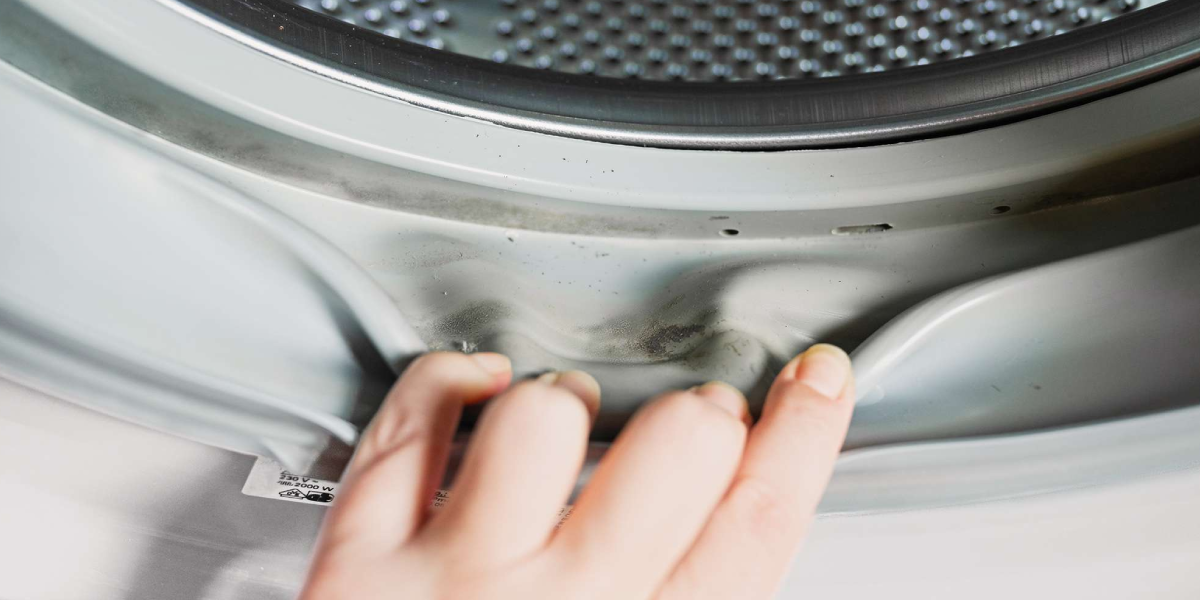
  • Black or green spots on the rubber gasket, drawer, or inside the drum


  • Clothes coming out smelling bad even after a wash


  • Visible buildup of residue near the door or drawer.

How to Remove Mold From a Washing Machine (Step-by-Step)

Even if you’ve never cleaned your washer before, this guide is for you. Just follow these simple steps using easy-to-find materials.


Here’s how to remove mold from a washer. 


What You’ll Need


Tools Materials
Microfiber cloth Chlorine bleach or hydrogen peroxide
Small scrub brush Warm water
Sink or bucket Optional: vinegar
Protective gloves


Step 1: Take Everything Out First

First things first. Make sure your washing machine is completely empty. No clothes, no leftover soap or softener. Also, pull out the drawer where you usually pour detergent and fabric softener. That part needs cleaning, too.


Step 2: Set the Right Wash Settings

Now turn on your washer and choose a regular wash cycle for a big load. Set the water to warm or hot. This helps the water flow strongly, and the heat will help kill the mold.


Step 3: Add Bleach and Start Washing

Next, grab some chlorine bleach. You can either pour 1 full cup straight into the drum or add half a cup into the detergent drawer. Also, fill up the bleach compartment all the way.


Now let the washer run a full cycle with just hot water and bleach. This will clean out the inside and flush away mold, bacteria, and bad smells.


Just a heads-up: never mix bleach with vinegar or hydrogen peroxide. It can make dangerous fumes that are bad for your health.


Want to know the right bleach mix for cleaning mold? Check out this simple guide on the bleach-to-water ratio for mold.


Step 4: Wipe the Door and Rubber Seal

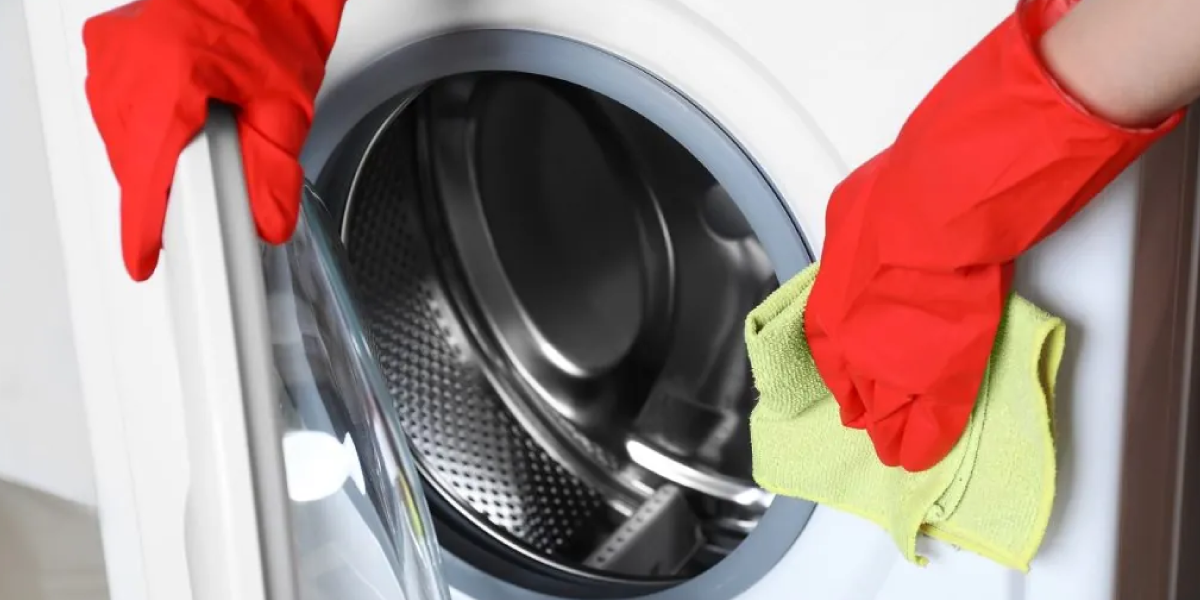
After the cycle finishes, put on your gloves. Make a cleaning mix using 1/4 cup of bleach and 2 cups of water. Dip a soft cloth or brush into that mix.


Now gently pull back the rubber seal around the washer door, especially if you have a front-load washer. That’s where mold usually hides. Scrub inside the folds carefully, and once it’s clean, wipe everything dry with a towel.


Step 5: Deep Clean the Soap Drawer

Take the dispenser drawer over to the sink. Rinse it well with hot tap water. If it’s really dirty or has thick buildup, soak it in a bowl or bucket of warm water for about 10 minutes.


Then use a soft brush and the same bleach mix to scrub away any leftover gunk. Let it air dry completely before putting it back in place.


Step 6: Clean the Lint Filter Too

Don’t forget the lint filter! Mold can grow there, too. Find and remove the filter (check your machine’s manual if needed). Then, brush off any lint, and use your bleach mix to wipe it clean. Rinse it well and let it dry before putting it back into the washer.


Optional Natural Mold Removal Method: Use Hydrogen Peroxide or Vinegar

So, how do you get mold out of a washing machine using a natural method?


If you don’t like using bleach, you can use 1 cup of hydrogen peroxide instead. It’s safer but not as strong. Vinegar works for regular cleaning but not for heavy mold removal.

How to Prevent Mold from Coming Back

How to Prevent Mold from Coming Back

Cleaning your washer once is a great start, but to stop mold from coming back, you need to follow a few simple habits. 


First, use less detergent. Just enough for your load because too much soap leaves sticky stuff inside that mold loves. Try not to use liquid fabric softeners either, since they leave behind a residue. 


A better option is plain vinegar, which helps rinse things clean. After every wash, leave the washer door open so fresh air can dry out the inside. Also, wipe around the rubber seal or gasket with a towel to keep moisture from sitting there. 


Once a month, run an empty hot wash to clean everything out. If your laundry area stays damp, use a fan or a dehumidifier to reduce moisture in the air. These small steps make a big difference in keeping mold away for good.


Also, if you’re curious how fast mold can appear inside your washer, here’s a helpful post on how long mold takes to grow.

When Should You Call a Professional Mold Removal Company?

When Should You Call a Professional Mold Removal Company

Sometimes the mold problem is beyond DIY. Here’s when you should ask for help from a professional mold removal company.


  • You cleaned it multiple times, but the smell won’t go away


  • Mold keeps coming back every few weeks


  • Mold has spread to parts you can’t reach


  • Washer stops working properly after a cleaning cycle.

Quick Comparison: Bleach vs. Vinegar vs. Hydrogen Peroxide


Cleaner Strength Best Use Safety Notes
Bleach Very strong Kills mold fast Never mix with vinegar or peroxide
Hydrogen Peroxide Medium Safer alternative to bleach Do not mix with bleach
Vinegar Light Preventing mold, not removing it Works best for weekly maintenance

How Often Should You Clean the Washing Machine?

To keep your washing machine clean and mold-free, you don’t have to do a lot; just stay a little regular with it.


Do a full bleach cleaning cycle once every one to two months to flush out any hidden mold or smells. After every few uses, wipe around the rubber gasket and the soap drawer to stop dirt and moisture from building up. 


Always leave the door open after each wash so the inside can dry out properly. And don’t forget to check the lint filter at least once a month, because mold and dirt can collect there, too. 


These small steps can help your washer stay fresh and work better for a long time.

Wrapping Up

Removing mold from your washing machine doesn’t need to be hard. With some hot water, bleach, and regular care, you can keep your washer fresh and clean. If you follow the steps we’ve talked about regarding how to remove mold from a washing machine, you won’t just fix the smell; you’ll stop the mold from coming back.


Just remember: clean often, keep it dry, and don’t overuse soap or softener. If nothing works after that, call a professional mold removal service.


FAQs

  • How do you get rid of black mold in the washing machine? 

    To get rid of black mold in the washing machine, run a hot cycle with bleach, scrub the rubber seal and drawer, and clean the lint filter. Always leave the door open afterward so it can dry out fully.

  • How do you remove black mold from rubber? 

    To remove black mold from rubber, use a soft brush or cloth with bleach and warm water, clean the area well, and make sure it dries properly.

  • How do you get mold out of the washing machine rubber? 

    To get mold out of the washing machine rubber, just pull the rubber gently and scrub it with warm water mixed with a bit of bleach. After that, wipe it dry so the mold doesn’t grow back.

  • What is the black mold behind my washing machine? 

    The black mold behind your washing machine usually shows up because the area stays damp and dirty. It’s hiding in places that don’t get cleaned or aired out.


Posted on: July 28, 2025

How to remove baseboard molding

Baseboard moldings need to be removed for various reasons, from installing new ones to repairing any water damage to the floor or the drywall. This is the reason you must know how to remove baseboard molding. You will first need to loosen the baseboard with a knife and remove the nails. Next, you need to pry the baseboard off and then clean underneath.


The baseboard is an essential part of your home and plays an important role in not only its aesthetics, but its functionality as well. There are a plethora of reasons these baseboard and their moldings need to be removed. Be it renovation of the house, repairing water damage, or settling various cracks and other damages, you will need to remove the baseboard moldings.


Let’s take a look at the process of removing baseboard molding.


How to remove baseboard trim

How to remove baseboard trim

While you remove baseboards, you have to keep in mind that the work will not be done as soon as you score the trimmings off with a knife. Removing the baseboard moldings is an elaborate process, and you have to be very careful since you will be dealing with sharp objects. Speaking of which, here are the materials you will need for removing the baseboard molding.


  • A Utility Knife
  • Hammer
  • Pliers
  • Rubber Gloves
  • Pry Bar/Putty Knife


Now, here is how to remove baseboards


  • Breaking the caulk line: First, take the utility knife, and score along the caulk line with it. Ensure you score along the entire line where the wall and baseboard meet. Doing this will ensure that the drywall will not be damaged when you remove the baseboard. Otherwise, you run the risk of tearing the drywall.
  • Locating the nails: There are a lot of nails that secure the baseboard to the floor. After scoring the caulk line, you have to locate these nails in order to pry them off the floor. You can either use your eyes or a stud finder to locate them.
  • Loosening the Baseboard: Once you are done locating the nails, you will then need to loosen the baseboards. You can either gently use a putty knife or a pry bar behind the baseboard. This will loosen the baseboards without harming the drywall. If needed, tap the baseboard with a hammer. 


Next, keep working very slowly and gently along the length of the baseboard to loosen the baseboard molding. Don’t rush, or you will damage either the drywall or the baseboard, or even both of them.


  • Prying the baseboard off: Once you have loosened the baseboard enough, you can now pry the baseboard off. The pry bar will now come in handy, as you use it to pry the baseboards from the floor. Start at one end of the board, and gently pry it away from the wall. 
  • Removing the nails: Now you can remove the nails you had located before. This part is comparatively very easy, as you can use pliers or the claw of the hammer to do so. Once you are done, use your hands or a stud finder to see if you have missed anything. 
  • Cleaning Up: After you are done removing the baseboard molding and the nails, you need to finish up by cleaning. After removing the nails and moldings, you will notice some residual adhesive and/or caulking on the floor and the wall. Scrape every bit of residue with a suitable tool to finish the removal process. 


Why do you need to remove baseboard molding?

Why do you need to remove baseboard molding

Now that you know how to take off baseboards, here is why you need to do it.


  1. Water Damage: Water damage is one of the main reasons baseboards need to be taken off and replaced. When water gets into the floors due to flooding or leaks, it keeps damaging the floorboards over time, and hence, the removal is required. 
  2. Renovation: Another chief reason for removing baseboard molding is renovating the house. While renovating, you sometimes need to tear off the drywall or install new baseboards. This is why you need to remove the baseboard moldings.
  3. Damage: Water damage is not the only type of damage your baseboards suffer. They can also suffer damages due to wear and tear, cracks, dents, or even their paint can be irreparably damaged. When this happens, you will need to remove the baseboards and baseboard trimmings have to be removed. 
  4. Pest: Baseboards are some of the favorite places for pests like rats to nest in. When this happens, you must remove the baseboards to get rid of them. And if the pests have damaged the baseboards as well, you need to replace the entire baseboard.
  5. House Settling: Sometimes, cracks or gaps can appear along the line of the wall. This can unsettle the balance of your home. To restore balance and settle the house, you will need to take off the baseboard and reinstall it.


Final Thoughts

Knowing how to remove baseboard molding is very important, but knowing whether you can do the job yourself is equally important. Since you have to work with sharp objects and the work itself is pretty delicate, you can contact us to take care of it for you. We have all the professional expertise and the tools to remove your baseboard molding with no further damage. 


FAQ

1. What is the easiest way to remove baseboards?

The easiest way to remove baseboards is to loosen the baseboard using the utility knife, pry the baseboard off with a pry bar, and remove all the nails with the claw of the hammer. You must always wear protective gear while doing so.


2. What is the best tool to remove baseboards?

The best tools to remove baseboards are as follows


  1. Utility knife
  2. Stud Finder
  3. Pry Bar/Putty Knife
  4. Hammer
  5. Gloves for protection


3. Is removing baseboards hard?

Whether removing baseboards is hard or not depends on the expertise, experience, and the availability of the required tools. If someone has enough experience, expertise, and the right tools, then removing baseboards is not too difficult. On the other hand, in inexperienced hands, baseboard removal can be one of the hardest and messiest of any household jobs.


4. How to remove molding without damaging it?

To remove baseboard molding without damaging it, you need to follow the following tips and tricks:


  1. Work gently and slowly to avoid damaging the drywall and/or the baseboards
  2. Use the correct tools for the work
  3. Label each baseboard so that reinstalling them is easier.
  4. Use a thin cardboard behind the pry bar so that the boards aren’t damaged.


5. Do you have to remove baseboards to install vinyl flooring?

You don’t actually HAVE TO remove your baseboards while installing vinyl flooring, but we recommend you do so. This way, you can avoid damaging the baseboards and the flooring along with the drywall.


Meta Description: Remove your baseboard molding with a utility knife, pry bar, hammer, and gloves. Work gently and slowly to avoid damage.